
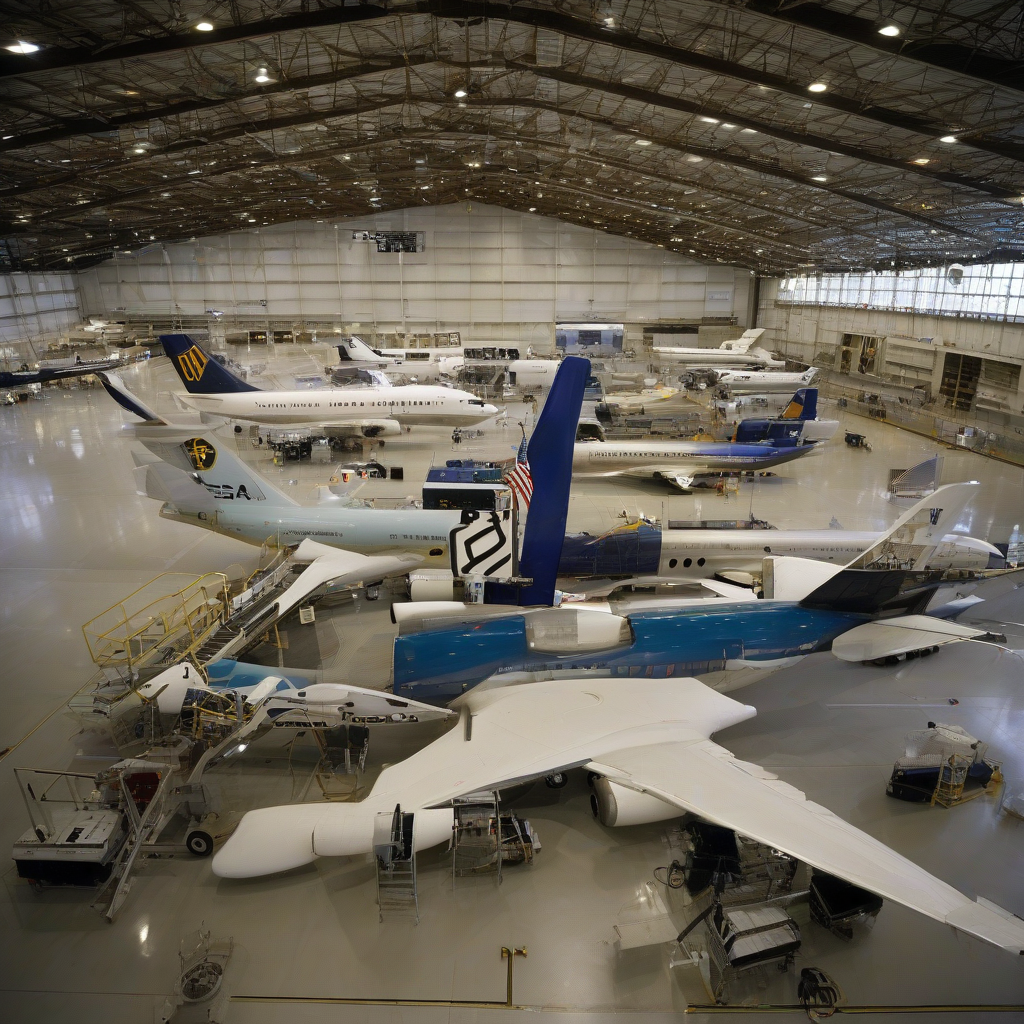

Aviation history in the United States spans over a century of technological advancement and industrial milestones. According to Simple Flying, dedicated enthusiasts often spend entire days examining the vast collections housed within the nation's premier aviation museums. These institutions serve as repositories for significant aerial technology, ranging from the earliest days of powered flight to contemporary military and space exploration programs.
Notable Milestones and Exhibits
Visitors can observe the evolution of flight through primary source artifacts and restored aircraft. Key historical markers preserved in these collections include:
| Historical Era / Exhibit Type | Focus Areas |
|---|---|
| Origins of Flight | 1903 Wright Flyer |
| Military Aviation | Evolution of combat aircraft |
| Space Exploration | Spacecraft development history |
| Commercial Aviation | Celebrated commercial jets |
These facilities provide access to varied equipment, allowing the public to board historic aircraft carriers or view iconic commercial jetliners up close. The depth of these collections allows for a comprehensive overview of how aviation has shaped both national identity and global connectivity.
Institutional Context
Many of these museums are affiliated with national organizations or historical societies tasked with preserving aeronautical data. While the specific holdings vary by location, the collective US aviation museum circuit documents the progression from wood-and-fabric biplanes to sophisticated high-speed aircraft and space-faring vehicles.
Why It Matters
Aviation museums provide significant value beyond mere entertainment; they act as primary educational hubs for the next generation of aerospace engineers and pilots. By preserving original hardware, these sites safeguard the physical evidence of engineering failures and successes that informs current aerospace safety standards and design methodologies. For the broader industry, these museums help maintain institutional knowledge and public interest in a sector that continues to face talent retention challenges, ensuring the cultural significance of the aerospace industry remains at the forefront of the public consciousness.
Reader Discussion & Insights