
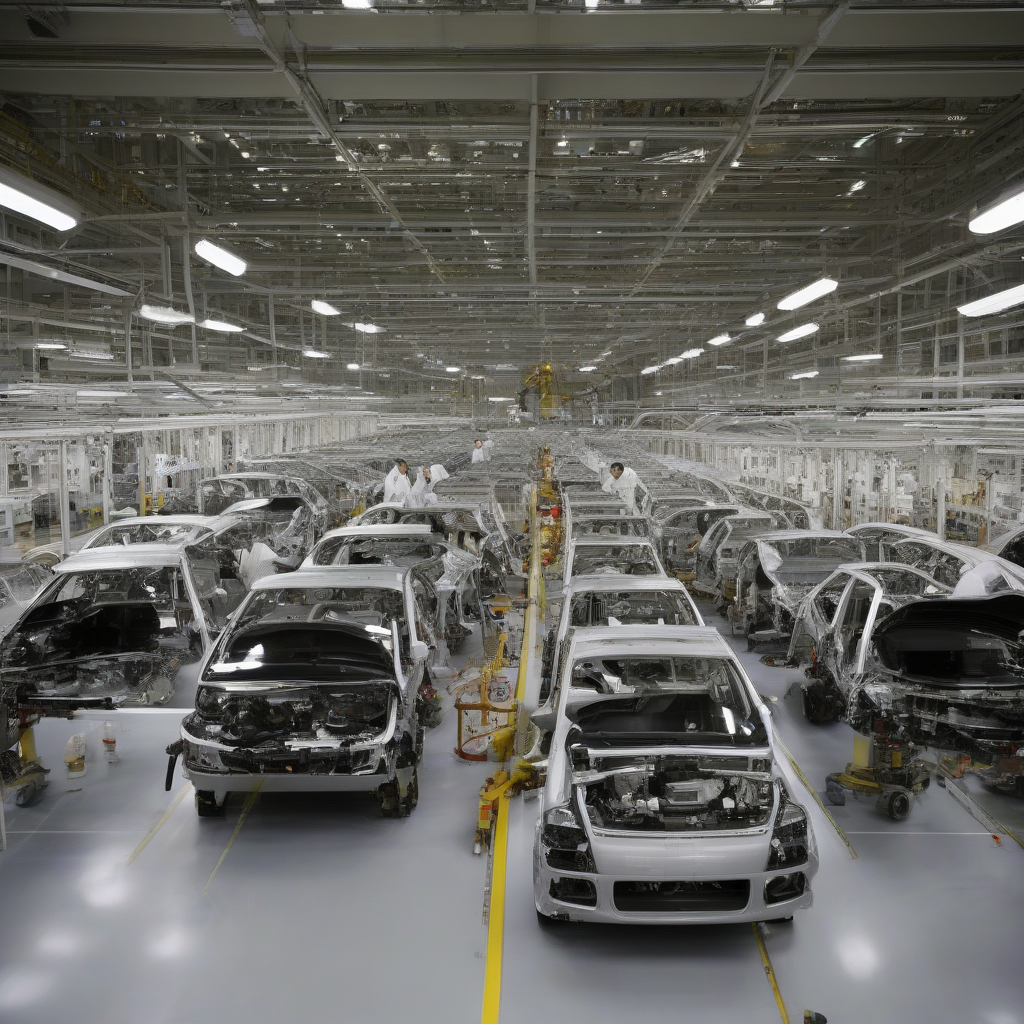

Toyota and Nissan have officially resumed manufacturing operations at their facilities in southwestern Japan following a brief suspension caused by seismic activity in the region, according to Car and Driver. Both automotive manufacturers confirmed that plant activity is returning to regular schedules after safety assessments were completed across their production sites.
The suspension was a direct result of earthquake destruction that impacted the surrounding areas of these primary assembly hubs. By halting production, the companies aimed to evaluate potential infrastructure damage and ensure the stability of supply chain logistics before returning to full capacity. While the disruption forced a temporary pause in output, the resumption signals that regional infrastructure and plant facilities have met necessary safety standards for continued operations.
Production Status Summary
| Company | Region | Status |
|---|---|---|
| Toyota | Southwestern Japan | Active |
| Nissan | Southwestern Japan | Active |
Official monitoring from the Japan Meteorological Agency often guides these corporate shutdowns. When seismic events reach high-intensity thresholds, automotive manufacturers typically enact emergency protocols to safeguard both employees and precision machinery. The current restart indicates that these companies have cleared internal safety audits and are now integrated back into their regional logistics networks.
Why It Matters
The immediate restart of Japanese automotive production highlights the vulnerability of "just-in-time" manufacturing models to localized natural disasters. Even minor seismic events can trigger cascading delays in highly specialized global automotive supply chains. For Toyota and Nissan, the ability to rapidly assess, repair, and resume production is critical to maintaining inventory levels in a competitive market. This incident underscores a growing trend toward geographic diversification and improved disaster response modeling among major manufacturers seeking to minimize the impact of regional environmental volatility on total annual vehicle production targets.
Reader Discussion & Insights