
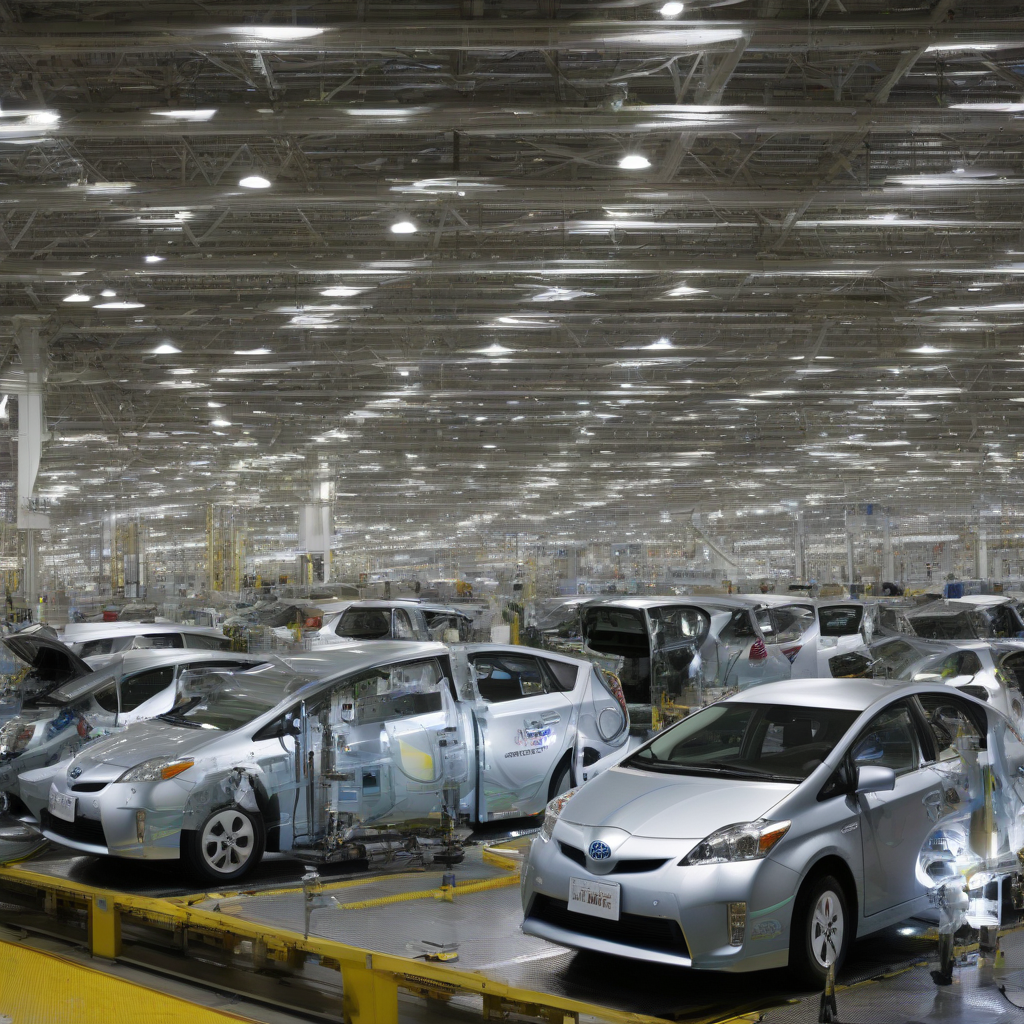

Toyota is encountering a difficult fiscal period throughout 2026 as several of its cornerstone models face market challenges. According to CarBuzz, the automotive manufacturer’s sales trajectory has been impacted by production issues affecting the popular RAV4, which has significantly hindered its annual output. Amidst these broader supply constraints, the Prius, a vehicle long regarded as the standard-bearer for hybrid efficiency, is also reporting a decline in consumer interest for the base model.
While the conventional hybrid variant of the Prius has struggled to maintain its typical market presence, the company has observed a divergence in consumer demand for the electrified model range. The Prius Plug-In variant has bucked the downward trend, demonstrating stronger performance relative to the standard model during the same period.
Sales Performance Comparison
| Prius Model | 2026 Market Status |
|---|---|
| Standard Hybrid | Declining performance |
| Plug-In Hybrid | Outperforming standard variant |
These performance metrics arrive as Toyota navigates a complex year marked by assembly line disruptions. The lack of available units for high-volume models like the RAV4 has created a ripple effect across the manufacturer's lineup, causing an overall slump in total vehicle deliveries. Financial analysts monitoring the automotive sector indicate that such supply chain volatility often alters the product mix, forcing consumers to shift toward available, higher-tier, or specialized configurations like the plug-in variant when base models are scarce.
Why It Matters
The split performance within the Prius lineup highlights a shift in consumer behavior toward advanced electrification. While standard hybrids were once the entry point for fuel efficiency, the market is increasingly favoring plug-in hybrids that offer greater operational flexibility and range. This suggests that Toyota's future revenue stability may depend on its ability to scale production of more complex, higher-margin plug-in platforms rather than relying solely on legacy hybrid designs. Furthermore, the broader production setbacks across Toyota's portfolio reveal the inherent fragility of global automotive supply chains during high-demand recovery phases.
Reader Discussion & Insights