
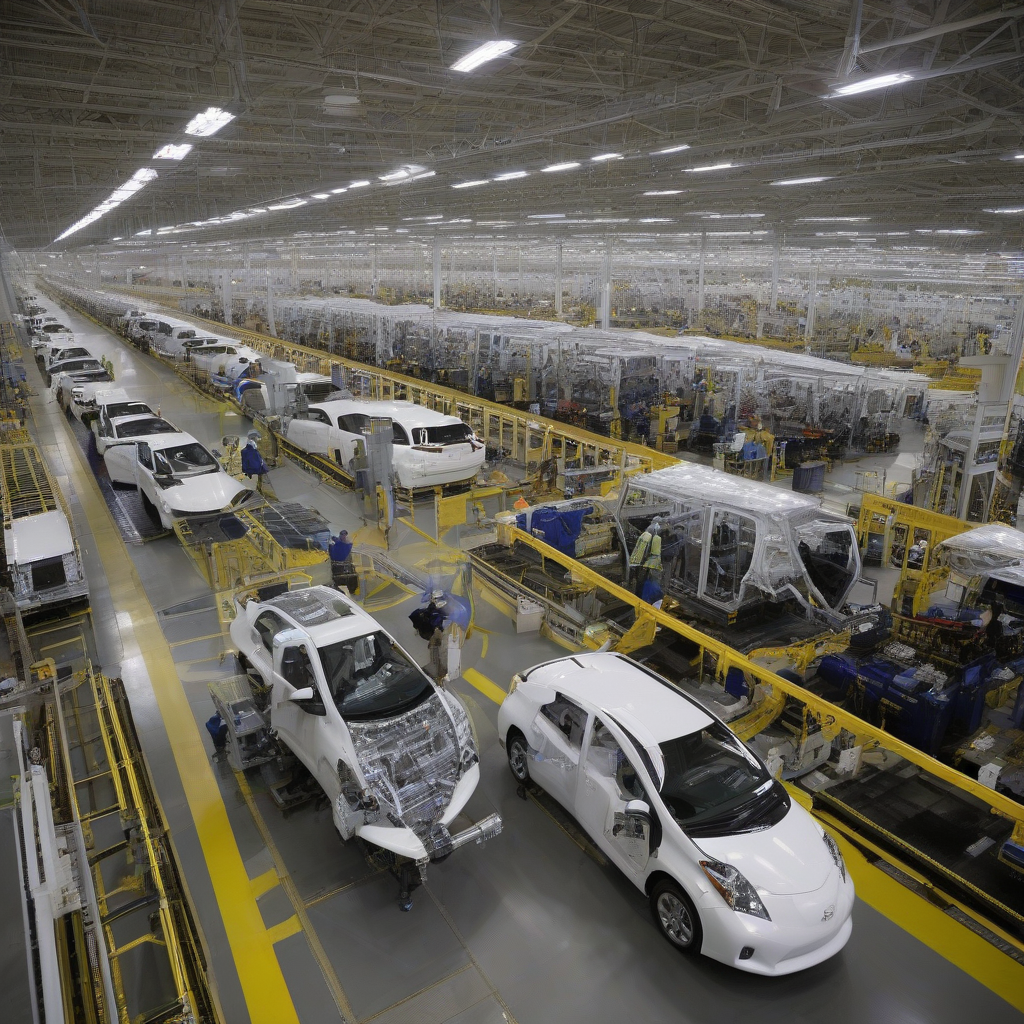
Toyota has officially revealed the pricing structure for its upcoming 2027 bZ vehicle, confirming that the base model will carry an entry price of $34,980. According to Electrek, the automaker plans to initiate the rollout of these units to dealership networks beginning in September. This entry-level figure positions the model as a core component of the company's efforts to expand its presence in the mass-market battery-electric vehicle segment.
Vehicle Pricing and Availability
The following table outlines the foundational commercial details provided for the 2027 model year arrival:
| Attribute | Detail |
|---|---|
| Model Year | 2027 |
| Base MSRP | $34,980 |
| Launch Window | September 2027 |
While specific technical specifications regarding range and battery capacity have not been highlighted in this initial pricing announcement, the $34,980 price point signals a clear intent to compete with established entry-level electric offerings. As the vehicle nears its September launch, consumers and industry observers are looking for detailed breakdowns of trim levels and available options that will likely push the final invoice beyond this baseline MSRP.
Toyota continues to coordinate with regulatory bodies to ensure that its upcoming fleet complies with current safety and efficiency standards. Industry analysts often reference reports from the Environmental Protection Agency (EPA) when assessing how new models will perform in real-world range testing, though such data for the 2027 bZ remains pending.
Why It Matters
The introduction of a $34,980 electric vehicle from a legacy manufacturer like Toyota highlights the ongoing price compression in the automotive sector. By targeting the sub-$35,000 bracket, Toyota is applying pressure to both domestic manufacturers and newer market entrants who have historically struggled to balance profit margins with the high cost of battery production. This strategy suggests that the company has achieved sufficient internal economies of scale to move beyond niche luxury electrification, directly challenging the dominance of high-volume electric vehicle producers currently controlling the $30,000–$40,000 price segment.
Reader Discussion & Insights