
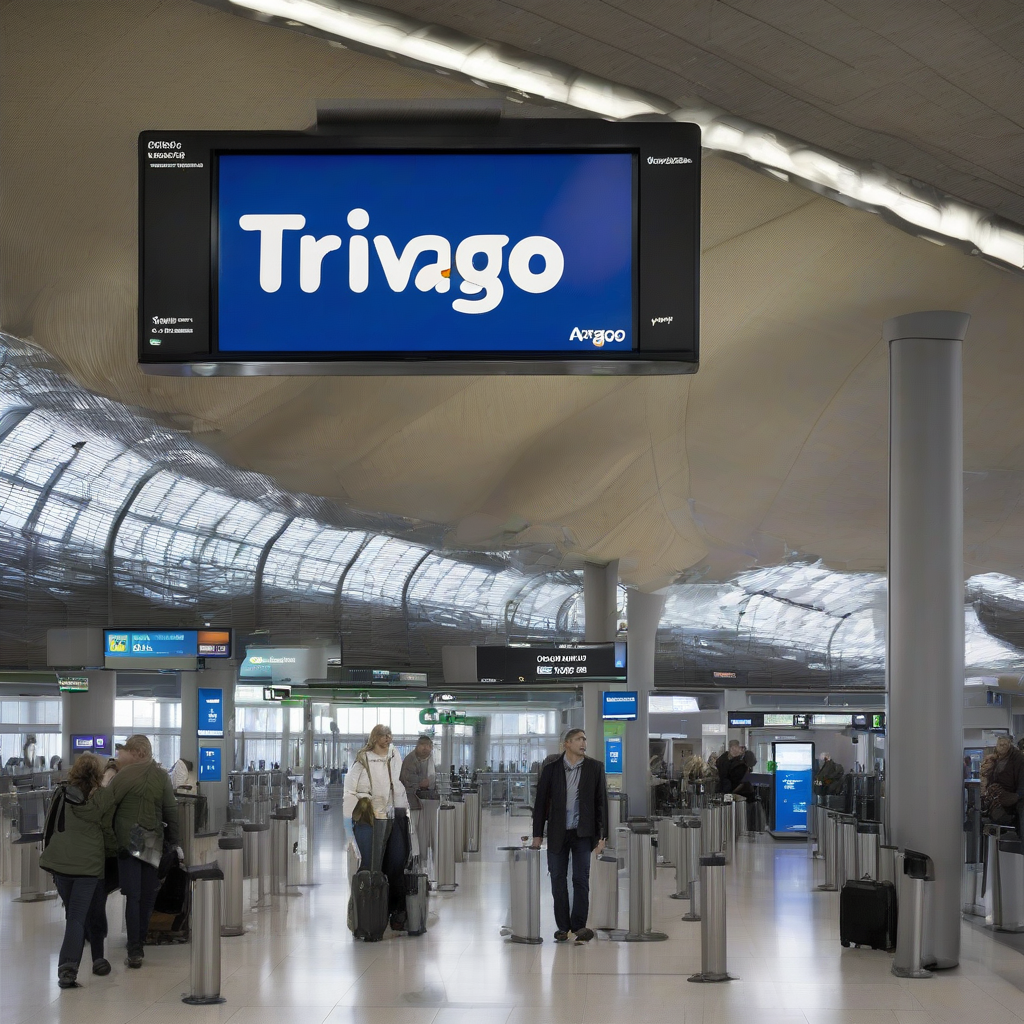
Trivago leadership is signaling expectations for a more balanced operational environment across the European market, prompted by evolving regulatory constraints on Google, according to Skift. As the travel metasearch platform looks to optimize its position, the company is preparing for what it views as a potential tailwind, though the practical outcomes remain dependent on precise regulatory implementation.
Strategic Market Outlook
While the industry evaluates the impact of European Commission directives on search engines and comparison platforms, Trivago remains focused on how these adjustments influence user traffic and acquisition costs. Historically, Google’s dominance in search results has dictated the volume and pricing of lead generation for travel companies. Any shift in how these results are displayed or ranked under EU law could directly alter the financial mechanics for metasearch providers operating in the region.
| Feature | Industry Status | Potential Impact |
|---|---|---|
| Google Market Dominance | High | Subject to EU oversight |
| Trivago Traffic Sources | Search-Dependent | Potential for diversification |
| European Regulatory Focus | Antitrust/Digital Markets | Increased competitive equity |
Regulatory Context
The European Commission has been active in enforcing compliance among major technology firms under the Digital Markets Act (DMA). These regulations aim to curb practices that prioritize a company’s own services, such as Google Flights or Google Hotels, over independent competitors. Trivago’s optimistic stance is built on the premise that these policy changes will force a change in how Google integrates travel products into its primary search interface, potentially lowering the barriers for third-party discovery.
Why It Matters
The reliance of travel intermediaries on major search engines is an existential issue for the digital travel sector. For years, the cost of customer acquisition has been tethered to auction prices determined by a single dominant player. If European regulators successfully foster a more level playing field, smaller and medium-sized metasearch brands may see a decrease in overhead costs and an increase in organic traffic. However, the true test will be the speed at which Google implements interface changes and whether these adjustments yield meaningful user conversion shifts for brands like Trivago.
Reader Discussion & Insights