
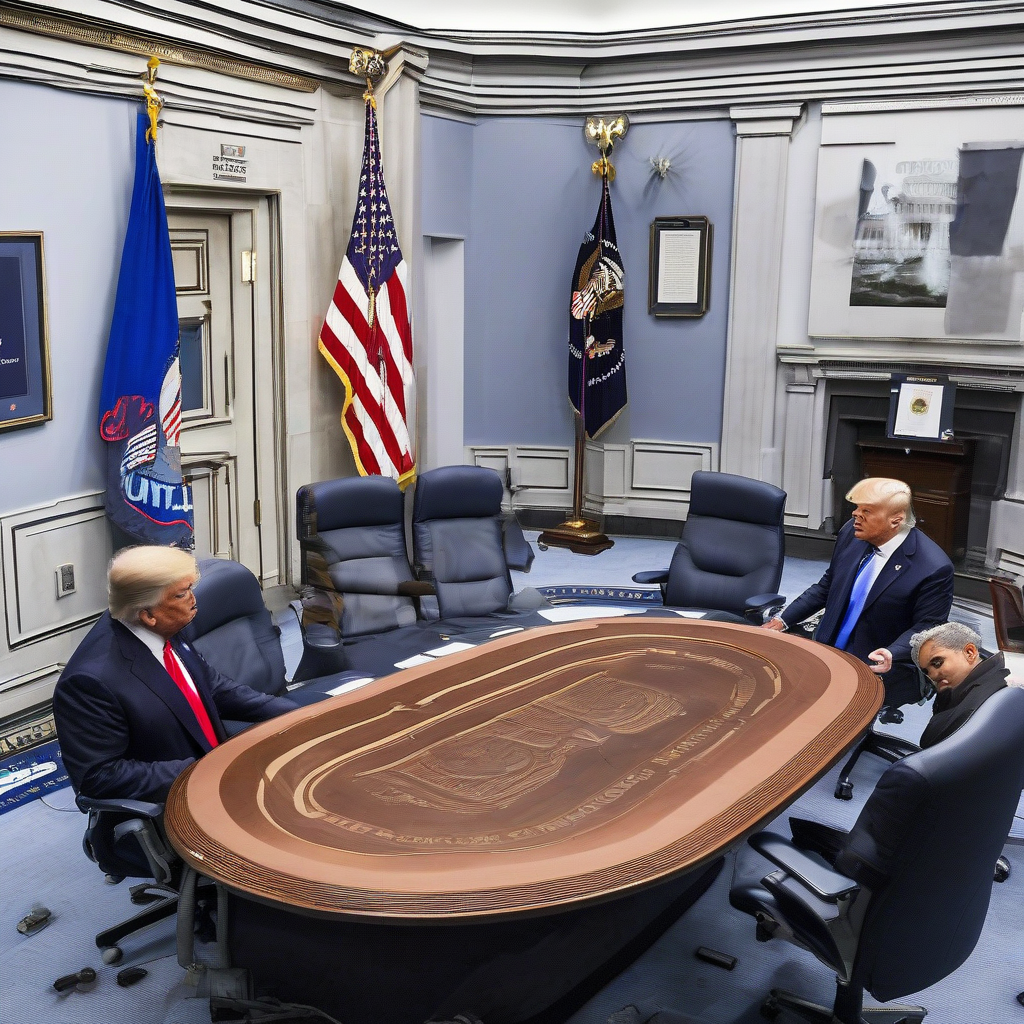
President Trump has voiced sharp public disapproval regarding the conduct of his hand-picked Washington DC attorney, Jeanine Pirro. According to Al Jazeera, the friction stems from Pirro's recent decision to drop legal charges associated with the vandalism of a prominent Washington landmark, the reflecting pool.
The public rebuke arrives at a time when the administration has emphasized a rigid stance on the protection of federal property and national monuments. The decision to cease prosecution has caused significant tension between the executive office and the judicial appointees tasked with enforcing local legal standards in the nation's capital.
While specific internal documents regarding the legal filing remain limited, the administration's reaction highlights the tightening control the executive branch seeks to exert over Department of Justice-related appointments in the district. The following table summarizes the primary elements of the current administrative dispute regarding the vandalism incident.
| Feature | Detail |
|---|---|
| Primary Subject | Jeanine Pirro (DC Attorney) |
| Conflict Trigger | Dropped vandalism charges |
| Landmark Involved | US Reflecting Pool |
| Source of Report | Al Jazeera |
| Reporting Date | 2026/8/4 |
Why It Matters
This incident signals a broader shift in federal-local judicial dynamics. When a president publicly attacks an appointed attorney for prosecutorial discretion, it threatens the long-standing independence of legal offices. For the legal sector and government administration, this creates a chilling effect where future appointees may prioritize executive approval over procedural law to avoid similar public scrutiny. If this pattern continues, the separation of powers within the federal district may erode, leading to increased politicization of routine vandalism and public property cases in Washington D.C.
Reader Discussion & Insights