
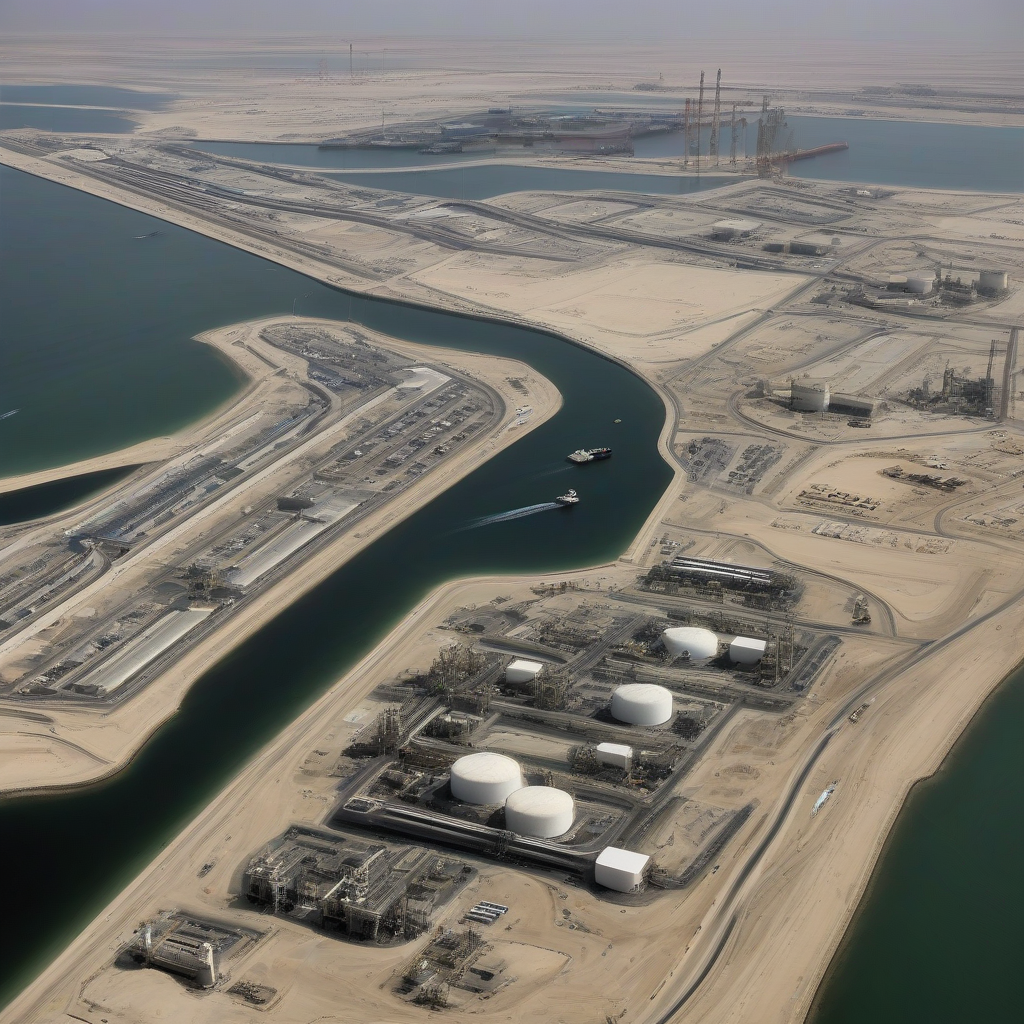

The United Arab Emirates has established itself as the primary oil exporter through the Strait of Hormuz, moving higher volumes than any other producer over the past two-month period. According to Rigzone, this consistent flow of crude serves as a vital stabilization mechanism for global energy markets currently contending with an ongoing and historic energy crisis.
Shipping Performance Data
| Metric | Status |
|---|---|
| Primary Transit Route | Strait of Hormuz |
| Leading Producer (Volume) | United Arab Emirates |
| Period Measured | Past two months |
The data highlights the operational capacity of the UAE in maintaining supply chains despite regional and geopolitical risks that have traditionally threatened transit through the Strait of Hormuz. By keeping throughput levels elevated, the UAE is mitigating the potential for supply-side shocks that might otherwise exacerbate price volatility in international crude markets.
These developments are being monitored by global energy analysts and shipping regulators who track traffic density within this maritime chokepoint. While the industry frequently monitors reports from international energy agencies, the current trend suggests that the UAE has successfully insulated its export capabilities from broader regional disruptions.
Why It Matters
The positioning of the UAE as the top exporter via the Strait of Hormuz signals a high level of reliance on Middle Eastern infrastructure to balance global energy requirements. As other major producers struggle with output volatility, the UAE’s consistency provides a necessary floor for global supply. This concentration of volume through a singular maritime passage underscores the ongoing vulnerability of global energy security, while simultaneously highlighting the effectiveness of UAE maritime logistics in ensuring that crude reaches international buyers despite an environment of increased risk and market instability.
Reader Discussion & Insights