
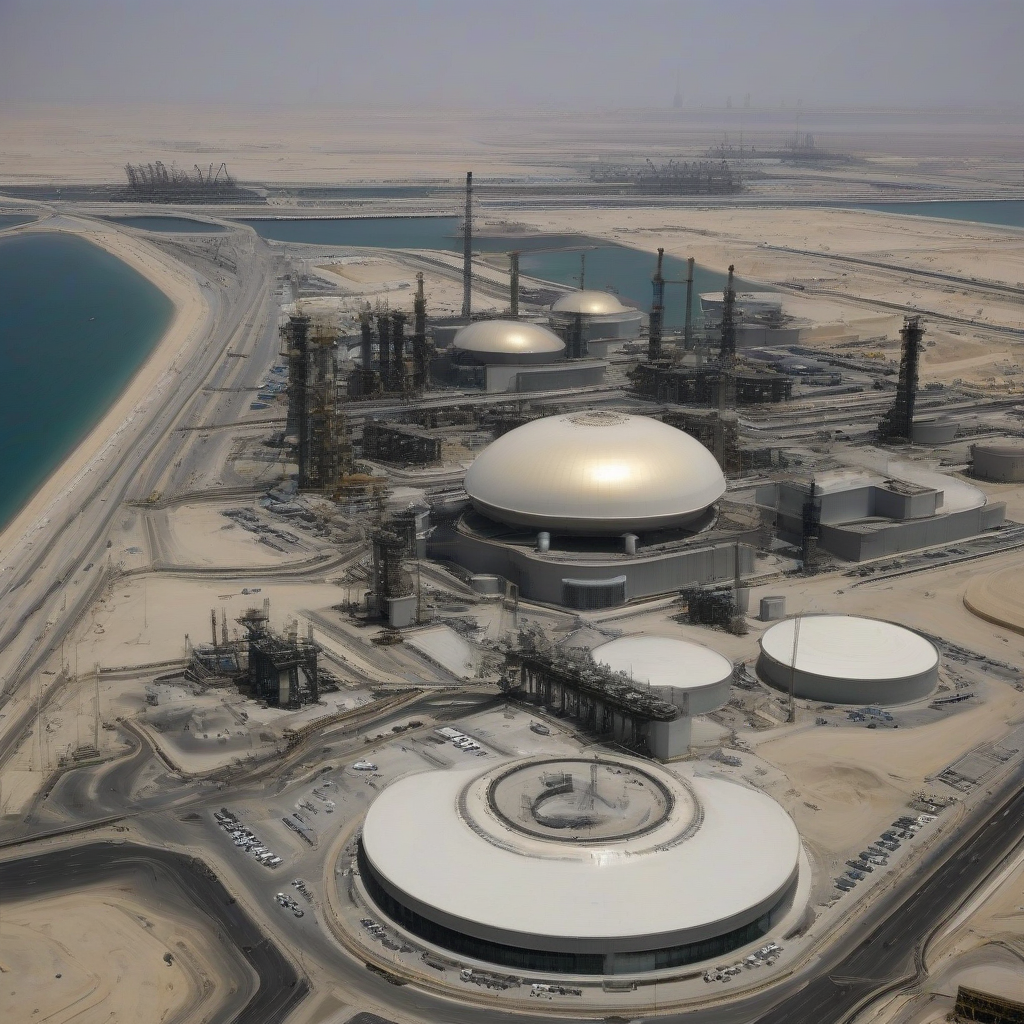

The United Arab Emirates (UAE) successfully restored oil exports to pre-crisis levels by June, effectively managing transit challenges within the Strait of Hormuz, according to Oil & Gas 360. By diversifying logistics and increasing production capacity, the UAE has maintained market flow despite regional instability.
Following its exit from OPEC on May 1, the UAE significantly scaled its output. Production figures rose from 3.3 million barrels per day (bpd) in May to 4.1 million bpd in June, marking the highest production levels in the nation's history. These estimates, provided by the International Energy Agency (IEA), highlight a tactical shift in export strategies.
To bypass the Strait of Hormuz, the state-owned Abu Dhabi National Oil Company (ADNOC) has employed multiple operational adjustments. This includes maximizing the use of onshore pipelines to move crude from the west to the east, facilitating loadings at the Port of Fujairah. Additionally, the company has utilized offshore ship-to-ship transfers and the implementation of "dark mode" tanker transit to ensure vessels reach international waters.
| Metric | May Figures | June Figures |
|---|---|---|
| Crude Oil Production | 3.3 million bpd | 4.1 million bpd |
Since June, ADNOC has aggressively expanded its market reach, issuing seven distinct tenders for cargo. These tenders include potential loadings from Zirku, Das Island, and Fujairah, or via offshore transfers near Malaysia, covering millions of barrels for delivery between August and October.
Why It Matters
The UAE’s ability to bypass traditional chokepoints signals a major shift in Gulf energy logistics. By decoupling its export infrastructure from the dependency on the Strait of Hormuz, the UAE is creating a more resilient supply chain. This move not only pressures existing regional production quotas but also forces global buyers to reassess the long-term reliability of Gulf oil corridors. As the country moves toward a post-OPEC operational model, its capacity to influence market pricing through independent supply volume will likely challenge current energy policy frameworks across the Middle East.
Reader Discussion & Insights