
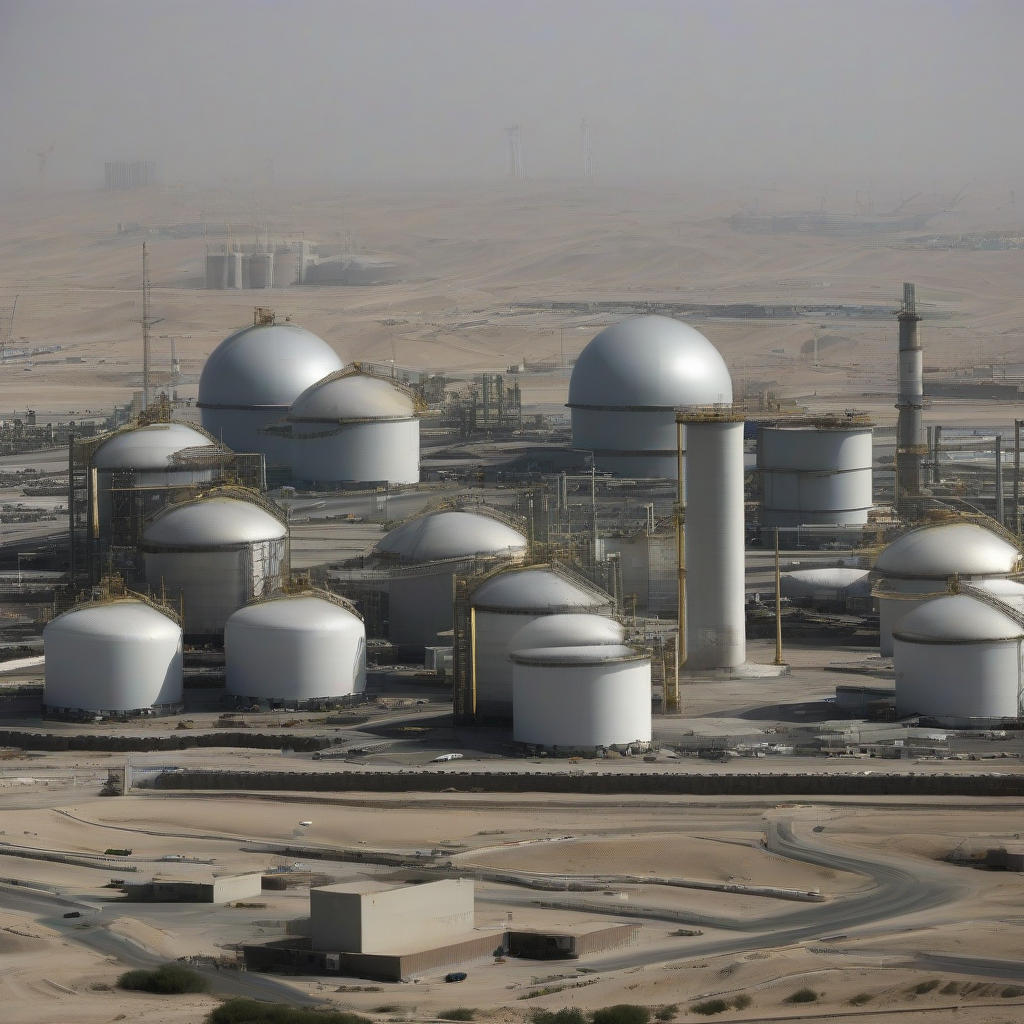

According to OilPrice.com, the United Arab Emirates has successfully navigated geopolitical maritime constraints to restore its crude oil exports to pre-crisis levels by June. Following its departure from OPEC on May 1, the nation has deployed a multi-pronged logistics strategy to ensure its energy output reaches international markets despite intermittent obstructions at the Strait of Hormuz.
Strategic Export Mitigation
The UAE has reduced its dependency on the narrow Strait of Hormuz by leveraging onshore pipeline infrastructure. This system allows for the direct transit of crude oil from the western regions of the country to export terminals located in the east. By shifting export volume to these eastern facilities, the nation bypasses the traditional chokepoint entirely. For shipments that still transit through the Strait, current industry reports indicate that tankers have been increasingly utilizing "dark mode" operations to continue flow.
Furthermore, the country has implemented a ship-to-ship transfer system. Smaller vessels shuttle crude through the immediate Strait of Hormuz area before transferring their cargo to larger, high-capacity oil tankers waiting in open waters outside the restricted zone. This optimization strategy has been essential in maintaining steady export volumes following the significant shifts in the country's energy policy earlier this year.
Operational Data Summary
| Operational Strategy | Objective | Status |
|---|---|---|
| Onshore Pipeline | Bypass Hormuz chokepoint | Operational |
| Ship-to-ship Transfer | Load larger vessels outside Strait | Active |
| Dark Mode Shipping | Maintain movement through Strait | Active |
| Export Volume Restoration | Reach pre-crisis levels | Achieved (June) |
Why It Matters
The UAE’s ability to sustain crude exports while maintaining operational independence outside the OPEC framework underscores a shift toward sovereign energy logistics. By decoupling its export capacity from the volatility of the Strait of Hormuz, the UAE effectively provides a blueprint for other Gulf producers to reduce geopolitical risk. This move signals to global markets that energy supplies may remain more resilient than traditional chokepoint-focused risk models suggest, potentially calming long-term price speculation regarding Middle Eastern maritime security and supply chain continuity.
Reader Discussion & Insights