
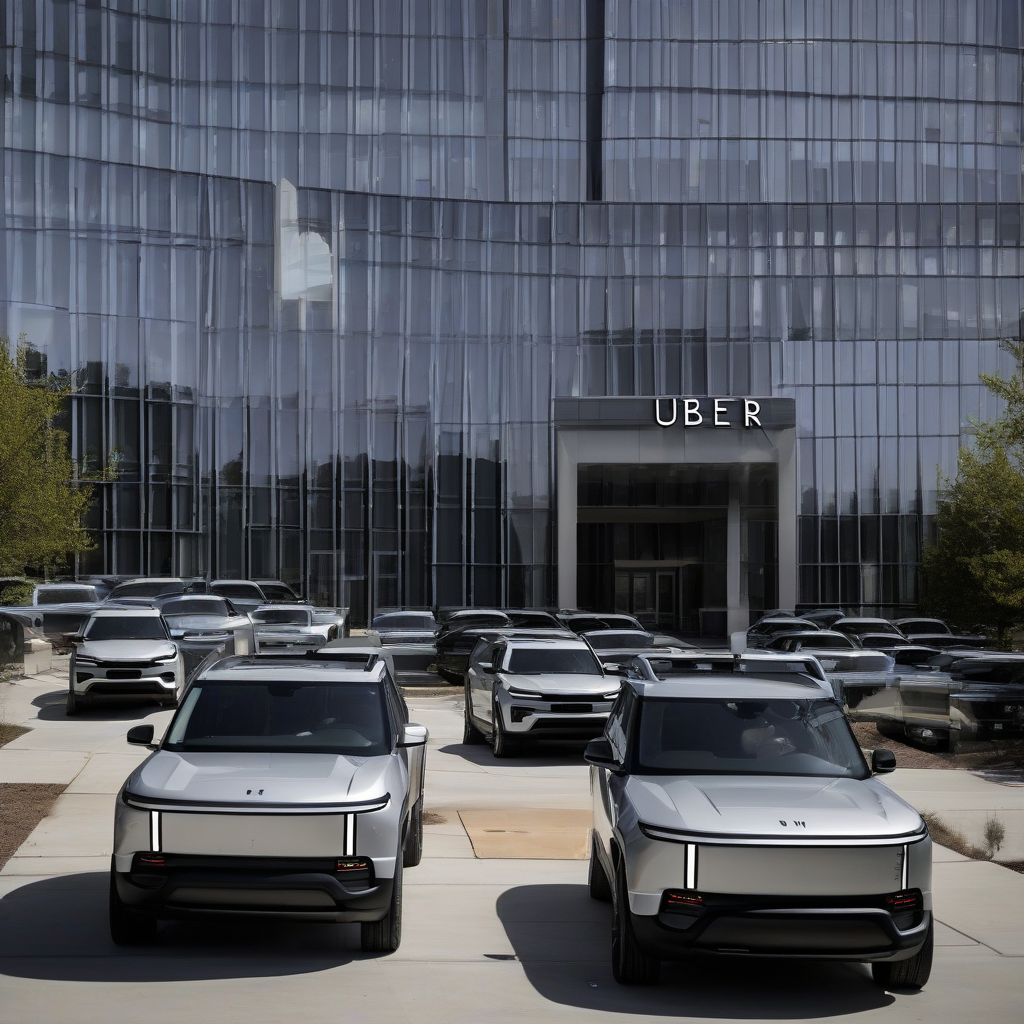

Uber is positioning its ride-hailing platform to integrate a significant volume of electric vehicles, specifically targeting an acquisition of 50,000 units of the Rivian R2, according to Rivian. This collaboration aligns with broader industry efforts to electrify vehicle-for-hire services and reduce carbon emissions in major metropolitan centers.
The Rivian R2, the latest platform from the Irvine-based manufacturer, represents a core component of the company's scaling strategy. By securing a commitment of this size, both firms signal a shift toward long-term fleet electrification. The R2 model is designed to provide the range, interior utility, and charging capabilities necessary for high-utilization commercial ride-share use.
Fleet Acquisition Overview
| Feature | Specification |
|---|---|
| Target Vehicle | Rivian R2 |
| Proposed Order Volume | 50,000 units |
| Primary User Type | Ride-sharing / Uber |
Why It Matters
The integration of 50,000 R2 vehicles into the Uber network marks a shift in how ride-sharing platforms manage capital-intensive vehicle procurement. For Rivian, a firm commitment of this scale provides critical production volume, potentially lowering the unit cost through economies of scale. For Uber, this represents a strategy to meet sustainability pledges while simultaneously mitigating long-term fuel cost volatility. If successful, this deployment could set a new benchmark for corporate fleet management, moving beyond pilot programs toward mass-market commercial adoption of electric platforms, effectively forcing competitors to accelerate their own electrification schedules to remain price-competitive in the platform economy.
Reader Discussion & Insights