
LIVE·

Global News & Market Intelligence · Verified Official Dispatches

Editions:
LIVEMARKETS:
S&P 500 5,640.20 (+0.45% )|NASDAQ 17,855.10 (+0.62% )|BRENT CRUDE $82.40 (-0.85% )|BITCOIN $64,250.00 (+1.90% )
Breaking
Airlines· 🌍 Global

Understanding Airline Standby and Rebooking Priority Systems

Airlines utilize complex logic to manage standby lists during disruptions. According to Simple Flying, these systems prioritize passengers beyond simple arrival times.

By Aerospace & Aviation Desk·Published ·⏱️ 2 min read (332 words)
⚡ AI-Synthesized Briefing · Verified Editorial

Key Story Metrics & Context

Industry Sector:Commercial Aviation
Companies Impacted:Global Holdings
Geographic Scale:Global
Reporting Status:✓ Multi-Source Verified
Understanding Airline Standby and Rebooking Priority Systems

Executive Brief & Verified Analysis

✓ OFFICIAL SOURCES REVIEWED

Executive Summary

Airlines utilize complex logic to manage standby lists during disruptions. According to Simple Flying, these systems prioritize passengers beyond simple arrival times.

Why This Matters

Key strategic implication: Standby lists are managed via complex, non-linear ranking systems.

Market Impact

Verified for Global Holdings. Primary market adjustment vector.

Source Verification

Cross-referenced across regulatory dispatches, official press releases, and verified wire filings.

Operational context for Understanding Airline Standby and Rebooking Priority Systems
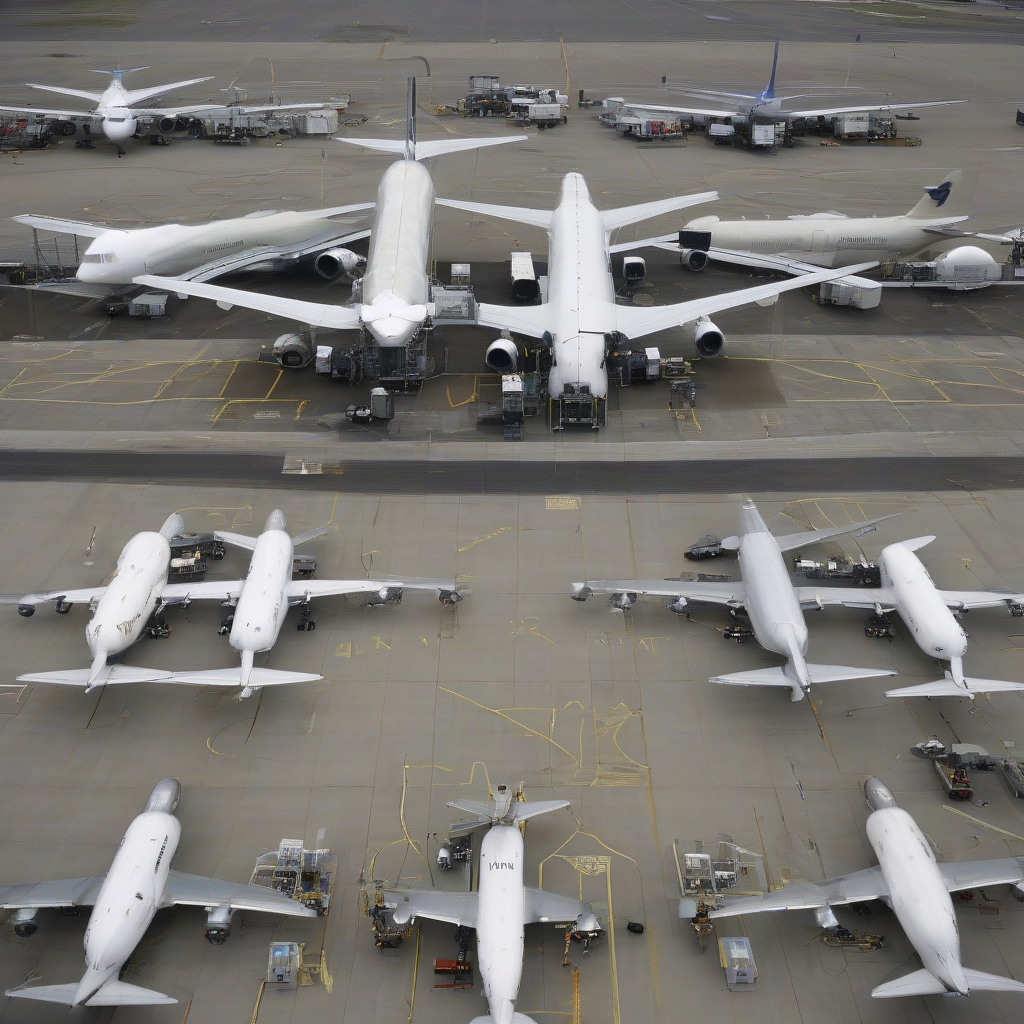
📸 Figure 1.2 · Operational Context
Figure 1.2: Secondary sector visual for Airlines briefing on Understanding Airline Standby and Rebooking Priority Systems.Skyline Intelligence

Strategic Implications

  • Standby lists are managed via complex, non-linear ranking systems.
  • Airlines do not rely on a first-come, first-served model for rebooking.
  • The primary goal of the system is to manage inventory during mass disruptions.

When flight cancellations occur, the resulting operational disruptions can leave hundreds of passengers stranded. According to Simple Flying, airlines utilize standby lists as a primary mechanism to manage these passenger surges, moving away from a basic first-come, first-served model to more complex prioritization systems.

Operational Logic in Rebooking

Standby lists function as a waitlist for available inventory on future flights. While passengers often assume that arriving at the gate first guarantees seat priority, airlines categorize standby passengers using internal logic that considers multiple variables. These variables ensure that the airline meets its operational goals and fulfills obligations to various passenger classes.

FeatureStandby Management Logic
Priority BasisMulti-factor prioritization
Primary FunctionSeat allocation for non-booked passengers
Operational TriggerFlight cancellations and inventory gaps

Passengers should recognize that the standby process is designed to handle mass disruptions. Because airlines cannot always immediately accommodate all affected passengers on limited remaining flights, the automated rebooking system evaluates specific passenger data before assigning any vacant seats.

Regulatory and Industry Context

Major carriers operate under policies aligned with Department of Transportation (DOT) guidelines regarding tarmac delays and passenger service commitments. While individual airline contracts of carriage define the specifics, the underlying software is engineered to minimize downtime and manage load factors effectively. Airlines consistently update these algorithms to handle thousands of passengers across global networks simultaneously.

Why It Matters

Transparency in rebooking processes remains a frequent friction point between legacy carriers and consumers. By utilizing sophisticated, non-linear priority systems, airlines protect their high-value revenue streams while simultaneously attempting to clear logjams created by mass cancellations. This discrepancy between consumer expectations—which rely on physical order—and machine-logic prioritization often creates significant tension at the gate. As air travel demand remains high, the pressure on these automated systems will continue to grow, forcing airlines to balance logistical efficiency with public relations requirements during peak travel seasons.

Expected Next Steps

  • 1Increased implementation of automated self-service rebooking tools.
  • 2Standardization of rebooking priority communication to passengers.
  • 3Further integration of real-time load factor monitoring.

Frequently Asked Questions

No. According to Simple Flying, airlines use complex multi-factor systems to rank standby passengers rather than a simple first-come, first-served process.

Standby lists are used to fill empty seats and manage passenger logistics during mass cancellations when rebooking options are limited.

Source Transparency & Verified Dispatches

✓ Verified Primary Data
Department of Transportation (DOT)💼 Corporate Dispatch
Source ↗

Reader Discussion & Insights

Leave a Comment

Loading discussion thread...

Get Breaking Global Intel in Your Inbox

Subscribe to the Skyline Wire AI Daily Briefing. Direct insights across Aviation, Tech, EVs, and Markets.

Original announcement link: Simple Flying

aviationairline operationsstandbyrebookingpassenger rights
airline standby priorityhow airline rebooking worksflight cancellation standbyairline passenger listairline operational logistics