
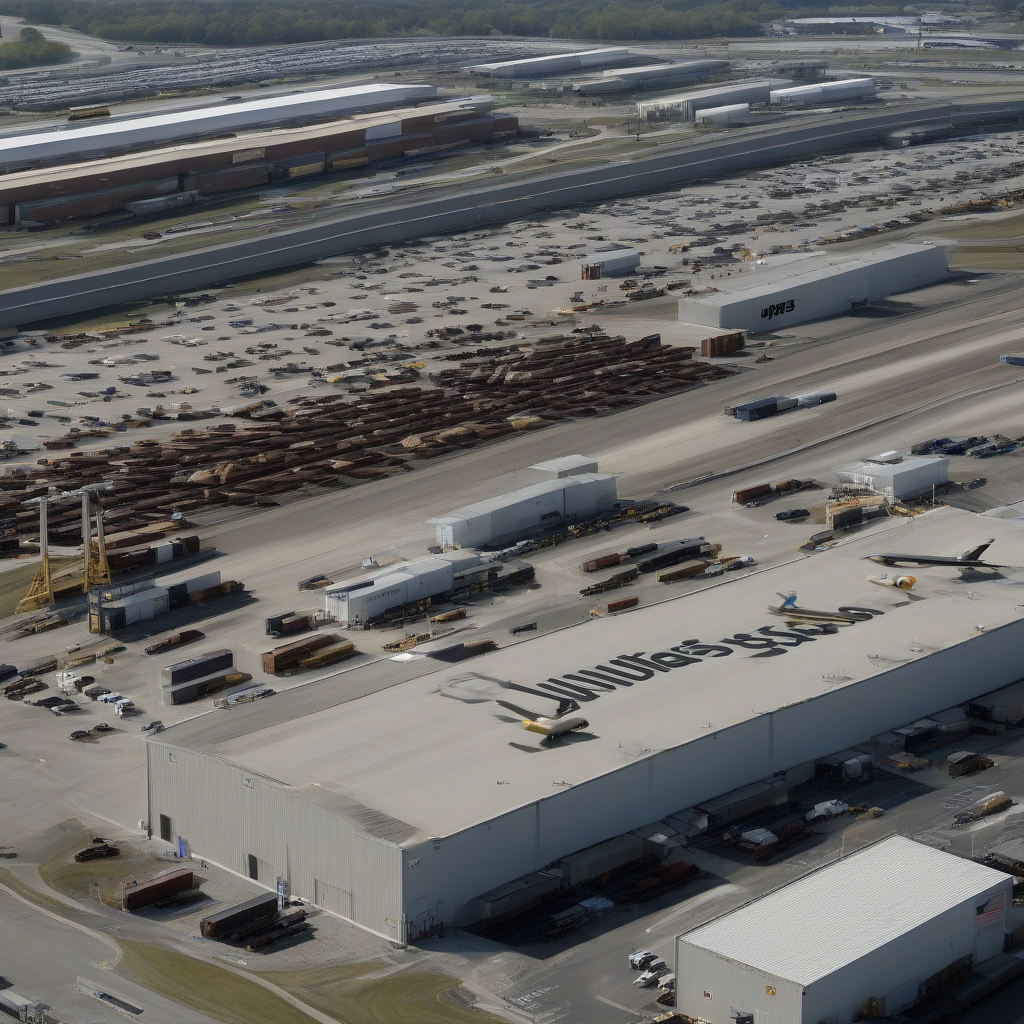
United Parcel Service (UPS) recently concluded its second-quarter earnings call, prompting analysts to scrutinize the firm’s operational trajectory and fiscal health. According to UPS Pressroom, the discussion centered on five distinct areas of inquiry that shed light on how the logistics giant is managing current market headwinds.
Analysts are currently evaluating how specific operational shifts and macroeconomic factors influence the company's bottom line. The earnings release serves as a primary touchstone for shareholders attempting to reconcile recent quarterly outputs with long-term profitability targets. Investors are particularly focused on how the company plans to restore volume growth after facing competitive pressure throughout the quarter.
Financial and Operational Oversight
The following table outlines the key areas of concern raised by market analysts during the Q2 session.
| Focus Area | Objective | Metric of Interest |
|---|---|---|
| Volume Trends | Monitor recovery in package delivery | Daily shipping volume |
| Operating Margin | Assess profitability per shipment | Adjusted operating margin |
| Cost Discipline | Evaluate labor and fuel efficiency | Operating expenses |
| Capital Allocation | Analyze share repurchases and dividends | Cash flow distribution |
| Market Share | Examine competitive positioning | Domestic delivery share |
According to UPS Pressroom, the dialogue between executive leadership and financial analysts remains centered on the company's ability to maintain high service levels while navigating shifts in consumer demand. These questions are intended to clarify the firm’s strategy in response to changing global supply chain dynamics and the integration of automated sorting technologies.
Why It Matters
The logistics industry is currently undergoing a structural transformation characterized by shifting e-commerce preferences and higher fuel surcharges. As major players like UPS attempt to balance infrastructure investment with the necessity of maintaining competitive pricing, the analyst questions from Q2 provide a roadmap for the broader logistics sector. Investors are looking for evidence that the transition toward higher-margin products is sustainable. Understanding how the company handles these specific inquiries is vital for forecasting whether the legacy carrier can successfully fend off specialized last-mile competitors and maintain its market dominance in the coming fiscal periods.
Reader Discussion & Insights