
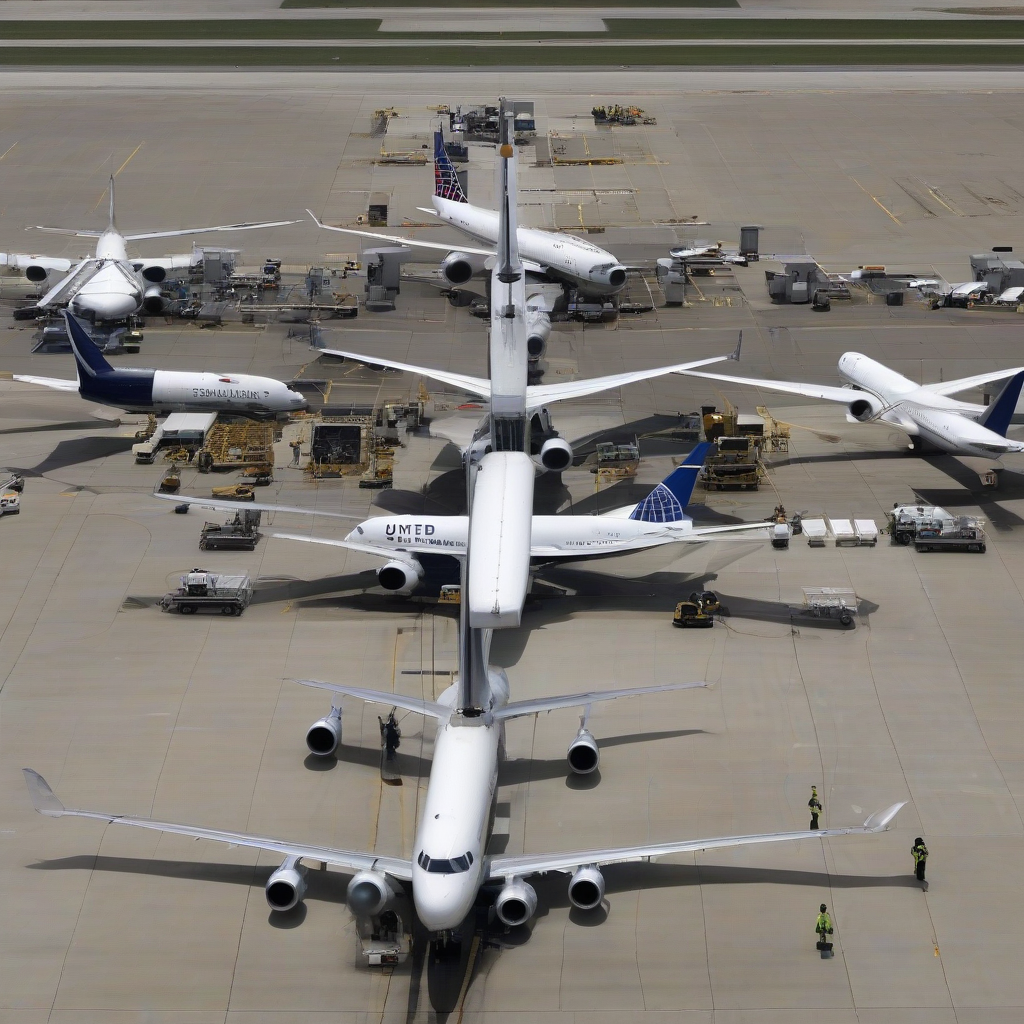
Aviation networks across the United States are facing significant operational challenges, with major hubs including Atlanta, Boston, Chicago, New York, Houston, and Philadelphia reporting extensive service interruptions. According to Travel And Tour World, the current environment has led to a combined total of 210 cancelled flights and 4,367 delayed departures across the domestic airspace.
The widespread nature of these service failures highlights the sensitivity of national transit nodes to operational pressure. Passengers traveling through key metropolitan airports are encountering protracted wait times and schedule adjustments that exceed standard industry variance. While specific root causes for this particular disruption wave were not isolated to a single carrier, the scope suggests a systemic strain on regional air traffic coordination.
Flight Status Summary
| Category | Count |
|---|---|
| Total Cancellations | 210 |
| Total Delays | 4,367 |
Regulatory monitoring remains active, as agencies such as the Federal Aviation Administration (FAA) maintain oversight of the National Airspace System. These figures, reported as 210 cancellations and 4,367 delays, align with current passenger tracking data that monitors high-volume nodes across the continental United States.
Why It Matters
These disruptions reveal the lack of redundancy in current US airport infrastructure. When major hubs like Atlanta or Chicago suffer from capacity constraints, the resulting ripple effect degrades schedules nationwide. This pattern demonstrates that the aviation industry is increasingly reliant on precision timing; even minor localized delays cause massive compounding impacts. For stakeholders, this represents a financial risk, as airlines face increased overhead from crew repositioning and passenger accommodation costs, while consumers face a growing loss of reliability in short-haul and hub-and-spoke transit models.
Reader Discussion & Insights