
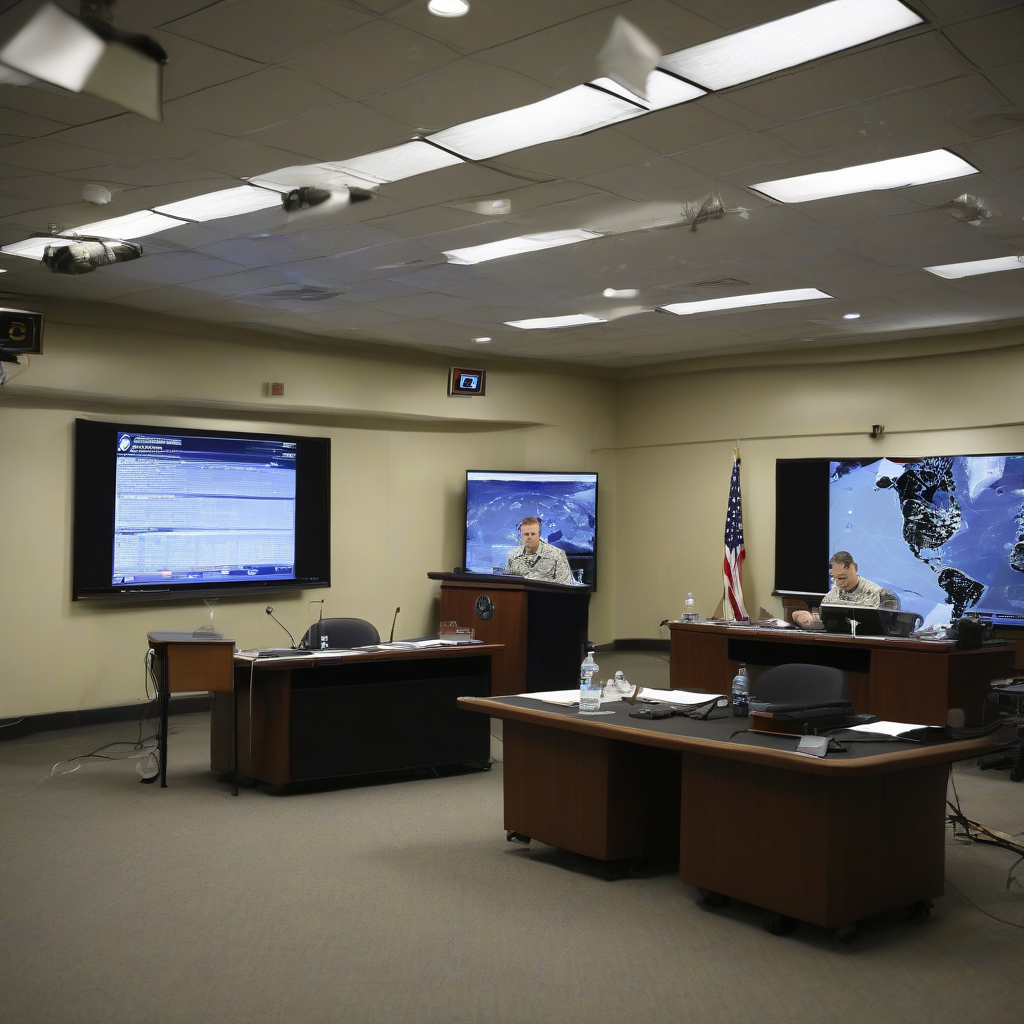

The United States military has officially confirmed that there was no leak of white phosphorus at its air base located in South Korea, according to ABC News — Top Stories. The announcement comes as a direct response to reports questioning the safety and chemical containment status of the facility.
Following inquiries into the operational status of the base, officials conducted an assessment to verify the integrity of hazardous material storage and handling procedures. The findings indicate that, contrary to circulating rumors, there has been no accidental release or environmental exposure involving white phosphorus, a substance heavily regulated due to its highly reactive and flammable properties when exposed to oxygen.
While the military maintains a high level of operational security, the clarification serves to neutralize concerns regarding potential toxic contamination for both base personnel and the surrounding local civilian populations. The U.S. forces stationed in South Korea continue to operate under established safety protocols mandated by the Department of Defense regarding the management of pyrotechnic and obscurant materials.
Incident Status Summary
| Item | Detail |
|---|---|
| Substance Reported | White Phosphorus |
| Location | US Air Base, South Korea |
| Leak Confirmed | No |
| Source of Verification | US Military Official Statement |
Why It Matters
The military’s prompt clarification on this matter highlights the sensitivity surrounding hazardous materials stored at international forward-operating bases. In the Asia-Pacific theater, maintaining positive relations with local communities is vital for base longevity and operational efficacy. Any perceived failure in safety protocols—even if unsubstantiated—can trigger significant public outcry and political friction. By addressing these reports immediately, the Department of Defense prevents the escalation of environmental misinformation, ensuring that host-nation agreements remain stable while preserving the logistical readiness of the U.S. military presence in the region.
Reader Discussion & Insights