
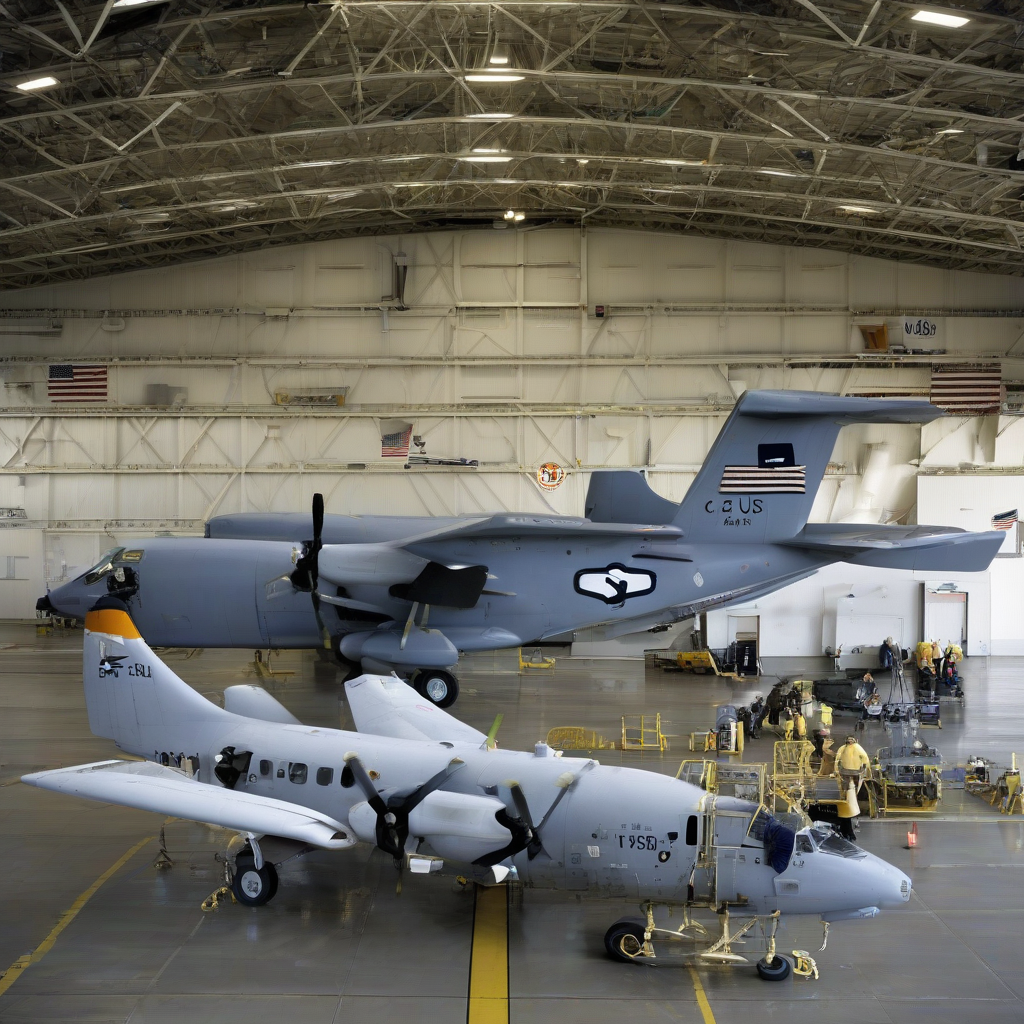
The United States Navy has concluded more than 60 years of service for its Northrop Grumman C-2A Greyhound fleet, marking the formal end of the platform's role in carrier onboard delivery (COD). According to FlightGlobal, the final active C-2A, registration number 162159, arrived at NAS Pensacola in Florida on 28 July to mark a ceremonial sundown for the aircraft.
The final Greyhound conducted its last operational carrier landing and launch in June, operating from the deck of the USS Nimitz in the Atlantic Ocean. Following that mission, the aircraft traveled from Norfolk, Virginia, to Florida, accompanied by an escort of F/A-18 Super Hornets from the Blue Angels demonstration team. Fleet Logistics Squadron 40 (VRC-40), the last unit operating the type, oversaw the final flight.
Operational Transition and Data
The navy is now shifting its full-time COD responsibilities to the Bell-Boeing CMV-22 Osprey. This transition was initially scheduled for 2024 but faced delays following a fatal US Air Force V-22 accident off the coast of Japan in late 2023, which resulted in the grounding of the entire US V-22 fleet.
| Event | Date | Location |
|---|---|---|
| Final Carrier Launch/Landing | June 2026 | USS Nimitz (Atlantic Ocean) |
| Final Sundown Ceremony Flight | 28 July 2026 | NAS Pensacola, Florida |
| Exhibit Opening | 2027 | National Naval Aviation Museum |
Commander Paul Ingram, the commanding officer of VRC-40, noted the successful and safe conclusion of the squadron's tenure. With the Greyhound retired, the US Navy plans to shutter VRC-40 entirely. The final aircraft is slated to be rehabilitated and placed on public display at the National Naval Aviation Museum starting in 2027.
Why It Matters
The retirement of the C-2A signals the end of a specific era for enlisted naval aviation. As noted by museum deputy director Hill Goodspeed, the move terminates the tradition of enlisted aircrew operating aircraft equipped with tailhooks, a practice that preceded World War II. The shift from fixed-wing turboprops to the tiltrotor capabilities of the CMV-22 Osprey alters the logistical footprint of the carrier air wing. While the Osprey offers vertical takeoff benefits, the loss of the traditional tailhook-landing support aircraft represents a significant pivot in operational culture for carrier-based logistics personnel.
Reader Discussion & Insights