
LIVEยท

Global News & Market Intelligence ยท Verified Official Dispatches

Editions:
LIVEMARKETS:
S&P 500 5,640.20 (+0.45% โ–ฒ)|NASDAQ 17,855.10 (+0.62% โ–ฒ)|BRENT CRUDE $82.40 (-0.85% โ–ผ)|BITCOIN $64,250.00 (+1.90% โ–ฒ)
Breaking
Visaยท ๐ŸŒ Global

US Renews Strict Visa Measures Targeting Birth Tourism

Pregnant travelers from Turkey and other nations face heightened scrutiny and visa denials following the renewal of strict U.S. birth tourism policies, according to Travel And Tour World.

By Global Markets & Intelligence DeskยทPublished ยทโฑ๏ธ 2 min read (454 words)
โšก AI-Synthesized Briefing ยท Verified Editorial

Key Story Metrics & Context

Industry Sector:Tourism, Commercial Aviation, Healthcare
Companies Impacted:Turkish Airlines
Geographic Scale:USA ๐Ÿ‡บ๐Ÿ‡ธ, Turkey ๐Ÿ‡น๐Ÿ‡ท
Reporting Status:โœ“ Multi-Source Verified
US Renews Strict Visa Measures Targeting Birth Tourism

Executive Brief & Verified Analysis

โœ“ OFFICIAL SOURCES REVIEWED

Executive Summary

Pregnant travelers from Turkey and other nations face heightened scrutiny and visa denials following the renewal of strict U.S. birth tourism policies, according to Travel And Tour World.

Why This Matters

Key strategic implication: The United States has renewed strict visa regulations to curb birth tourism.

Market Impact

Verified for Turkish Airlines. Primary market adjustment vector.

Source Verification

Cross-referenced across regulatory dispatches, official press releases, and verified wire filings.

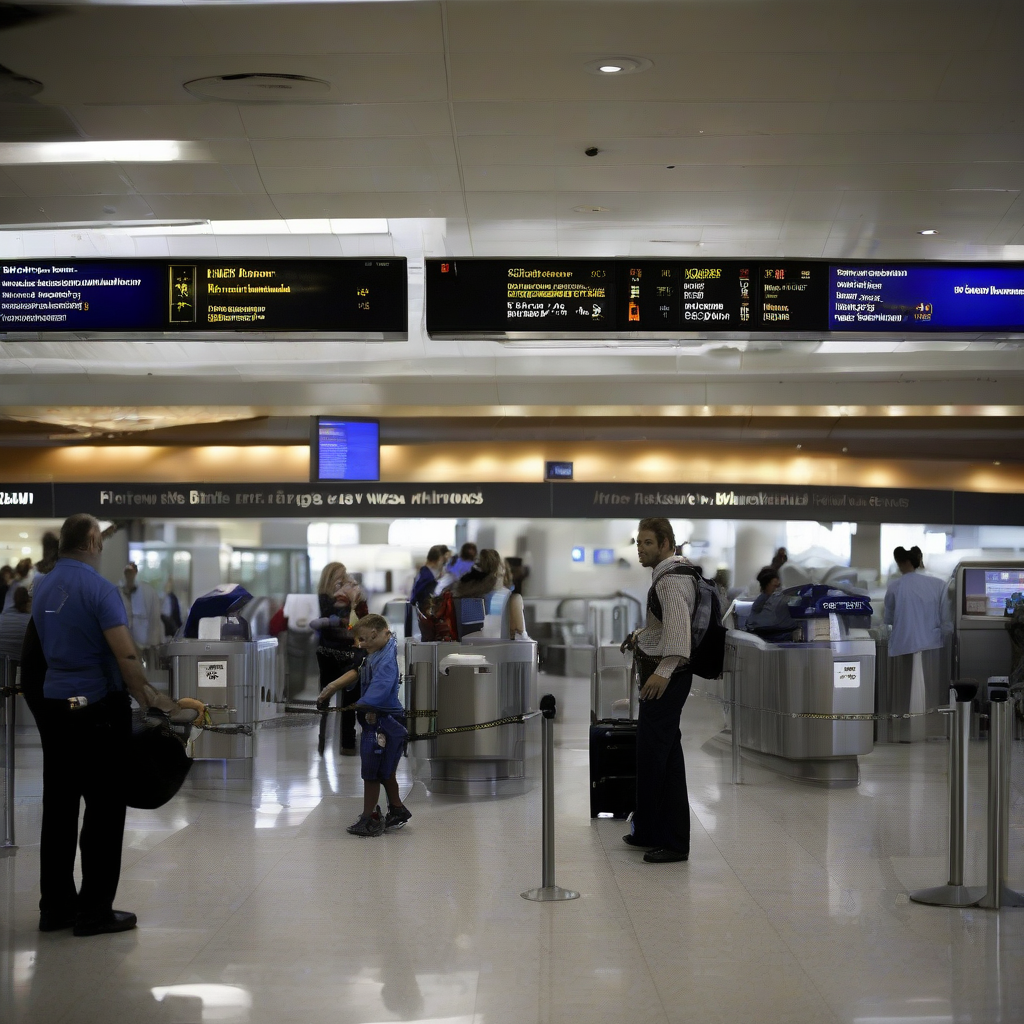
Operational context for US Renews Strict Visa Measures Targeting Birth Tourism
๐Ÿ“ธ Figure 1.2 ยท Operational Context
Figure 1.2: Secondary sector visual for Visa briefing on US Renews Strict Visa Measures Targeting Birth Tourism.Skyline Intelligence

Strategic Implications

  • โœ“The United States has renewed strict visa regulations to curb birth tourism.
  • โœ“Pregnant travelers from Turkey and other countries face increased screening and higher visa denial rates.
  • โœ“U.S. consular officers have wide discretion to deny B-1/B-2 visas if they suspect childbirth is the primary intent of travel.
  • โœ“Applicants must provide rigorous evidence of financial solvency and legitimate travel purposes.

The United States has renewed restrictive visa policies targeting pregnant travelers, causing significant concern and travel disruption for individuals from Turkey and several other countries, according to Travel And Tour World. The measures are part of an ongoing enforcement strategy against what federal authorities classify as "birth tourism." This practice involves foreign nationals traveling to the U.S. on visitor visas to give birth, ensuring their children obtain automatic American citizenship under the 14th Amendment of the U.S. Constitution.

Under the renewed guidelines, consular officials at American embassies and consulates worldwide are directed to exercise strict oversight when evaluating non-immigrant visa applications. Specifically, B-1 and B-2 visitor visas can be denied if consular officers suspect an applicant intends to travel to the United States primarily for childbirth. Applicants must demonstrate legitimate travel intent, such as medical care that cannot be accessed in their home country, and prove they possess the necessary funds to pay for all associated medical expenses. This policy directly impacts travelers from Turkey, a country that has historically seen a segment of citizens travel to the U.S. for medical and maternity purposes.

Policy ElementDirect ImpactVisa Class AffectedKey Enforcement Authority
Primary ObjectiveRestrict birth tourismB-1 / B-2 Visitor VisasU.S. Department of State
Consular DiscretionEnhanced scrutiny of pregnant applicantsB-1 / B-2 Visitor VisasU.S. Embassies & Consulates
Permitted ExceptionsDocumented specialized medical necessityB-1 / B-2 Visitor VisasU.S. Customs and Border Protection

According to directives from the U.S. Department of State, the burden of proof rests entirely on the visa applicant to establish a permissible reason for travel. Consular officers are trained to evaluate whether an applicant's timeline, health status, and financial capability align with standard tourist or business visa parameters. Critics of the policy point out that the rule places excessive discretionary power in the hands of consular staff, potentially leading to unfair profiling of female travelers of childbearing age. Meanwhile, supporters argue the measure protects the integrity of the U.S. immigration system and reduces the strain on public healthcare infrastructure.

Why It Matters

Beyond the political implications, these tighter visa rules have immediate financial consequences for the global travel and hospitality sectors. Airlines operating direct routes between Turkey and the United States face potential revenue losses from canceled bookings and increased regulatory compliance checks at departure gates. The medical tourism sector also stands to lose significant revenue, as international hospitals that cater to foreign expectant mothers will see a drop in overseas clientele, forcing service providers to adjust their international market strategies.

Expected Next Steps

  • 1Consular offices in Turkey and other key regions will likely implement stricter screening protocols during visa interviews.
  • 2Airlines may update their passenger boarding guidelines for pregnant international travelers to avoid boarding denied passengers.
  • 3Legal challenges regarding consular discretion and profiling of female travelers may emerge from civil rights groups.

Frequently Asked Questions

The policy targets B-1 and B-2 tourist visa applicants who are suspected of traveling to the United States primarily to give birth, a practice referred to as birth tourism.

Turkish citizens who are pregnant face increased scrutiny during visa interviews and must provide substantial proof that their travel is for a permitted purpose, such as specialized medical treatment, rather than simply obtaining birthright citizenship.

Yes, but they must clear a high bar of proof showing they have a legitimate reason for travel, can afford all of their medical expenses, and plan to return to their home country.

Source Transparency & Verified Dispatches

โœ“ Verified Primary Data
โœ“
U.S. Department of State๐Ÿ’ผ Corporate Dispatch
Source โ†—
โœ“
U.S. Department of Homeland Security๐Ÿ›๏ธ Government / Regulatory
Source โ†—

Reader Discussion & Insights

Leave a Comment

Loading discussion thread...

Get Breaking Global Intel in Your Inbox

Subscribe to the Skyline Wire AI Daily Briefing. Direct insights across Aviation, Tech, EVs, and Markets.

Original announcement link: Travel And Tour World

visa policybirth tourismus travelturkey travel
us visa restrictionsbirth tourism policypregnant travelers us visaturkey us travelb1 b2 visa regulations