
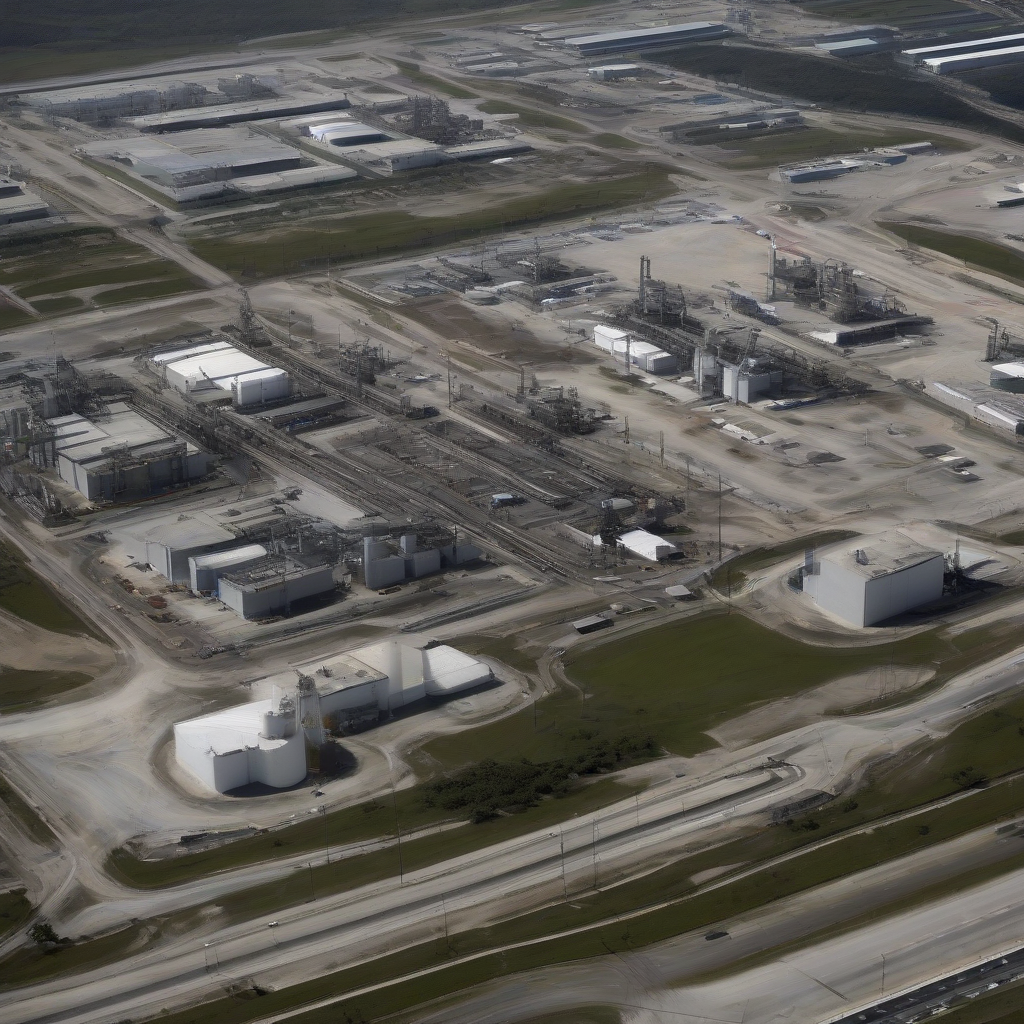
Venezuelan petroleum production has climbed to multiyear highs following significant political and regulatory changes, according to OilPrice.com. The output increase arrives at a time when global energy supplies are facing pressure due to maritime transit disruptions in the Strait of Hormuz.
The uptick in production follows the January 2026 capture of President Nicolas Maduro. The subsequent period has seen a transition characterized by the easing of U.S. sanctions and a concerted effort to attract foreign investment into the nation's energy sector. These developments have provided the necessary stability to begin reviving a petroleum industry that had previously faced prolonged stagnation.
Operational Data Summary
| Indicator | Status/Context |
|---|---|
| Production Trend | Multiyear highs |
| Primary Driver | Regulatory reform & sanctions relief |
| Market Context | Strait of Hormuz supply disruptions |
| Key Event Date | January 2026 |
Official industry reporting indicates that the combination of removed trade barriers and new regulatory frameworks has allowed the state to increase export volumes. This shift coincides with a broader period of geopolitical tension that has limited the availability of Middle Eastern crude, positioning Venezuela as a sudden, active contributor to the global supply chain.
Why It Matters
The stabilization of Venezuelan output offers a localized offset to the volatility currently impacting global energy benchmarks. Historically, the inability of the Venezuelan energy sector to maintain infrastructure discouraged long-term capital commitments. However, the current trajectory suggests a potential realignment of regional energy influence. If production levels sustain this momentum, global energy buyers may reduce their reliance on traditional transit corridors like the Strait of Hormuz, effectively lowering the risk premium associated with Middle Eastern shipping lanes. This diversification is essential for price stability in international markets during periods of heightened maritime conflict.
Reader Discussion & Insights