
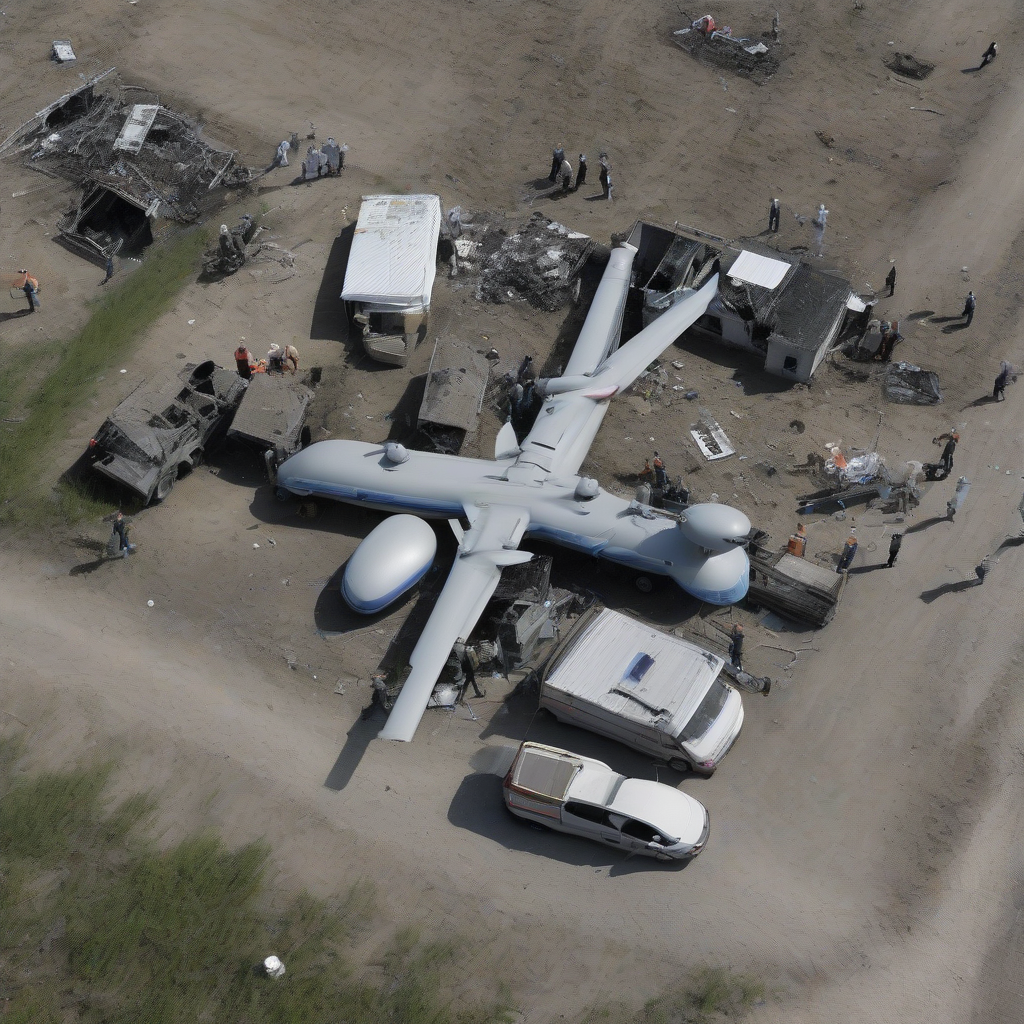
A disturbing video circulating online has provided evidence of a Russian military drone targeting a vegetable vendor in the city of Kherson, Ukraine. According to CBS News — World, the footage serves as a stark visual record of the tactics currently being utilized in the ongoing conflict. The attack has drawn immediate and sharp criticism from Ukrainian President Volodymyr Zelenskyy, who characterized the imagery as proof that Russian forces are deliberately harming non-combatant civilians.
The released footage documents the moment the unmanned aerial vehicle identified and engaged the individual. While specific technical specifications regarding the drone model were not released by officials, the deployment of such assets against civilian infrastructure highlights a shift in operational focus within the combat zone. There were no immediate reports regarding the specific physical condition of the vendor, but the incident has been cited by the Ukrainian government as an explicit example of aggressive engagement protocols directed at the civilian population.
Official Observations
President Zelenskyy’s statement underscores the regional tensions and the ongoing investigations by international bodies into potential violations of international humanitarian law. While the European Commission and other global entities continue to monitor the conflict, this specific drone engagement represents a high-profile case of visual documentation regarding civilian-targeted strikes.
| Observation Point | Detail |
|---|---|
| Location | Kherson, Ukraine |
| Primary Subject | Vegetable vendor |
| Involved Party | Russian military forces |
| Documentation Type | Drone footage |
Why It Matters
The integration of low-cost, tactical drone technology into conventional military operations has drastically reduced the cost-barrier for precision strikes. This development presents a significant challenge for international security policy, as the ability to monitor, track, and engage individual civilians in urban environments is now accessible to non-state and state actors alike. The proliferation of this technology risks eroding existing norms of engagement, necessitating a new framework for airspace deconfliction and the protection of non-combatants in densely populated areas during active hostilities.
Reader Discussion & Insights