
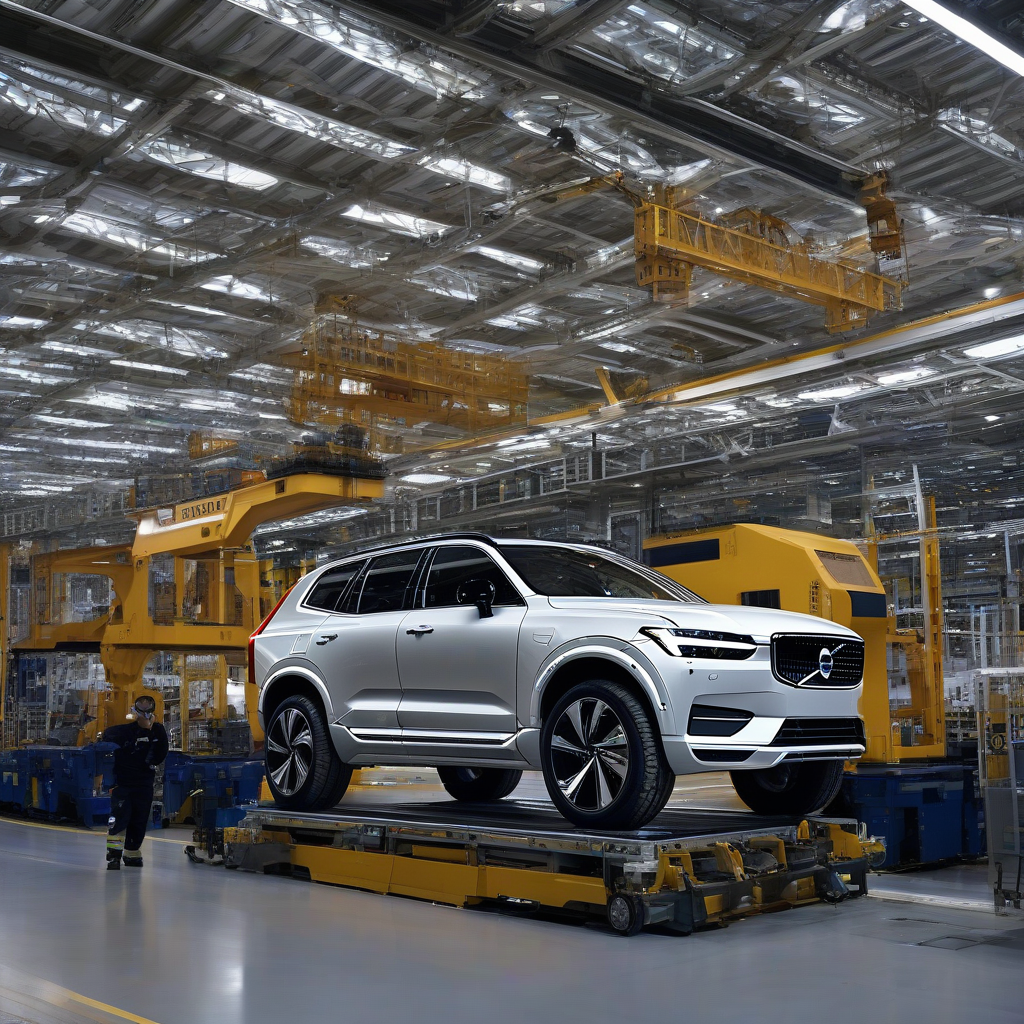

Volvo has officially expanded its electric vehicle lineup with the introduction of the EX60, which serves as the battery-powered counterpart to the company’s popular XC60 SUV. According to electrive, the mid-sized vehicle has completed initial road testing, where it received praise for its ride quality and acoustic dampening. The manufacturer aims to bridge the gap for customers transitioning from the traditional internal combustion engine XC60 to a fully electric platform.
Vehicle Performance and Ergonomics
Early evaluations emphasize the cabin environment as a primary selling point. The EX60 offers substantial interior room, maintaining the utilitarian expectations associated with the SUV segment. During initial drives, the vehicle demonstrated a high level of ride comfort and an exceptionally low level of cabin noise, contributing to a refined driving experience.
Despite the positive reception regarding chassis dynamics and interior space, the vehicle’s human-machine interface (HMI) presents a challenge for some users. The design prioritizes a minimalist aesthetic, resulting in a heavy reliance on the central touchscreen for the operation of fundamental vehicle settings. This shift away from physical switchgear for climate and media controls remains a point of contention for those preferring tactile feedback.
| Feature | Performance/Assessment |
|---|---|
| Vehicle Segment | Mid-sized SUV |
| Propulsion | All-Electric |
| Primary Strength | Cabin quietness and ride comfort |
| Interior | High level of space |
| Primary Concern | Reliance on central touchscreen |
Why It Matters
The transition of the XC60—historically one of Volvo’s highest-volume products—to an electric-only platform represents a critical inflection point for the brand. By moving the volume segment into electrification, Volvo is effectively forcing mass-market adoption among its loyal customer base. However, the industry-wide trend toward screen-centric interfaces, as seen in the EX60, risks alienating drivers who prioritize ergonomic safety and ease of use over digital complexity. Whether this design choice hinders long-term retention of legacy Volvo customers will be a key performance metric for the brand in the coming fiscal quarters.
Reader Discussion & Insights