
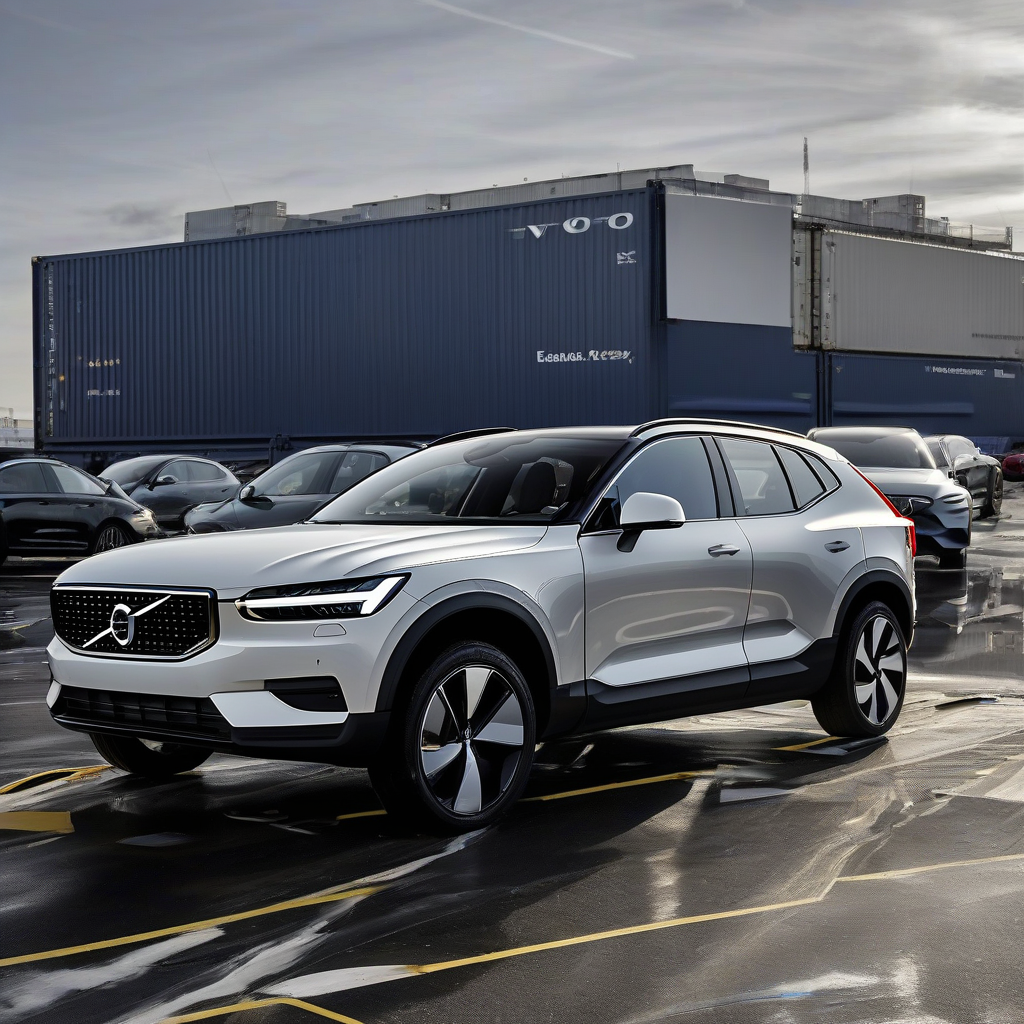
Volvo is expanding its electric vehicle lineup with the upcoming EX50, a battery-powered SUV engineered to challenge the market dominance of the Tesla Model Y, according to Tesla industry tracking reports. While official technical specifications remain under wraps, market analysts anticipate the vehicle will occupy a critical price segment within the mid-size electric crossover market.
Industry reporting indicates that the EX50 is being positioned to retail at a price point under $50,000. This pricing strategy places the model in direct competition with the current price structure of the Tesla Model Y, which serves as the primary benchmark for the segment. By targeting the sub-$50,000 range, Volvo aims to increase its appeal to consumers seeking premium electric mobility without the higher cost of entry often associated with the luxury EV sector.
Comparison Overview
| Feature | Projected Volvo EX50 | Tesla Model Y (Benchmark) |
|---|---|---|
| Vehicle Class | Mid-size Electric SUV | Mid-size Electric SUV |
| Starting Price | Sub-$50,000 | Variable based on trim |
| Market Strategy | Direct Competitor | Segment Benchmark |
According to Tesla, the electrification of the Volvo brand is a long-term goal, with the EX50 serving as a strategic addition to its existing portfolio of battery-electric vehicles. The move follows broader industry trends where legacy automakers are scaling production to match the output and pricing models established by pure-play EV manufacturers.
Why It Matters
The entry of the EX50 signifies an intensifying price war in the electric vehicle sector. As manufacturers move beyond niche luxury models into the high-volume crossover segment, the ability to maintain profitability at the $50,000 price point becomes a deciding factor for long-term viability. This trend forces incumbent leaders to defend market share through accelerated product refreshes and tighter supply chain integration. For consumers, this competition is likely to drive aggressive financing offers and technological feature parity, effectively normalizing electric vehicle ownership for the mainstream buyer.
Reader Discussion & Insights