
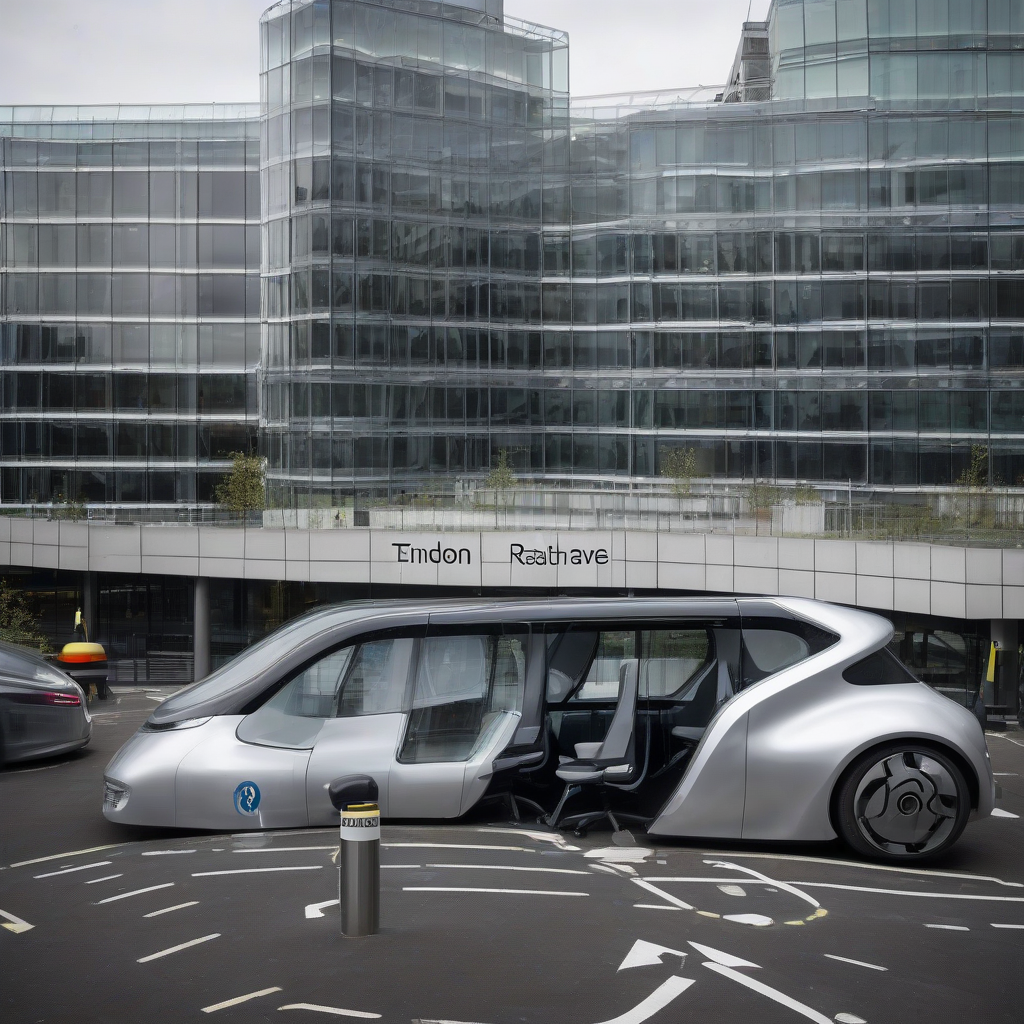

Transport for London (TfL) has officially issued 'Private Hire Vehicle' licenses to a portion of the Wayve autonomous vehicle fleet, according to electrive. This regulatory move marks a significant step forward for the ongoing collaboration between Wayve and Uber, as the companies look to integrate self-driving technology into the London ride-hailing market.
While the issuance of these licenses represents a tangible achievement, it does not grant unrestricted access to London’s streets for commercial robotaxi services. The authorization is specific to a subset of the Wayve fleet, which is currently undergoing testing and development. Further approvals from local and national authorities remain pending before the technology can transition into a fully autonomous, public-facing service.
Regulatory Framework and Approvals
| Item | Status |
|---|---|
| TfL Private Hire Vehicle License | Approved (Select Vehicles) |
| Full Robotaxi Commercial Operation | Pending |
| Regulatory Body | Transport for London (TfL) |
The process for autonomous vehicle deployment in the UK is governed by a stringent oversight framework designed to ensure passenger safety and traffic integration. TfL acts as the primary regulatory gatekeeper for all vehicle-for-hire services operating within Greater London. While this license enables specific testing protocols, the companies must continue to meet evolving safety standards and demonstrate technical reliability to secure subsequent operational permits.
Why It Matters
The move signifies a shift from theoretical AI development to actual street-level validation in one of the world's most complex urban environments. By embedding autonomous technology into the Uber ecosystem, Wayve is testing whether computer vision systems can handle London's chaotic, narrow, and high-traffic road network. If successful, this model could prove that Level 4 automation is viable without the need for the hyper-mapped geofencing common in US markets. The challenge remains scaling this technology while managing the liability and insurance complexities inherent in dense European metropolitan centers.
Reader Discussion & Insights