
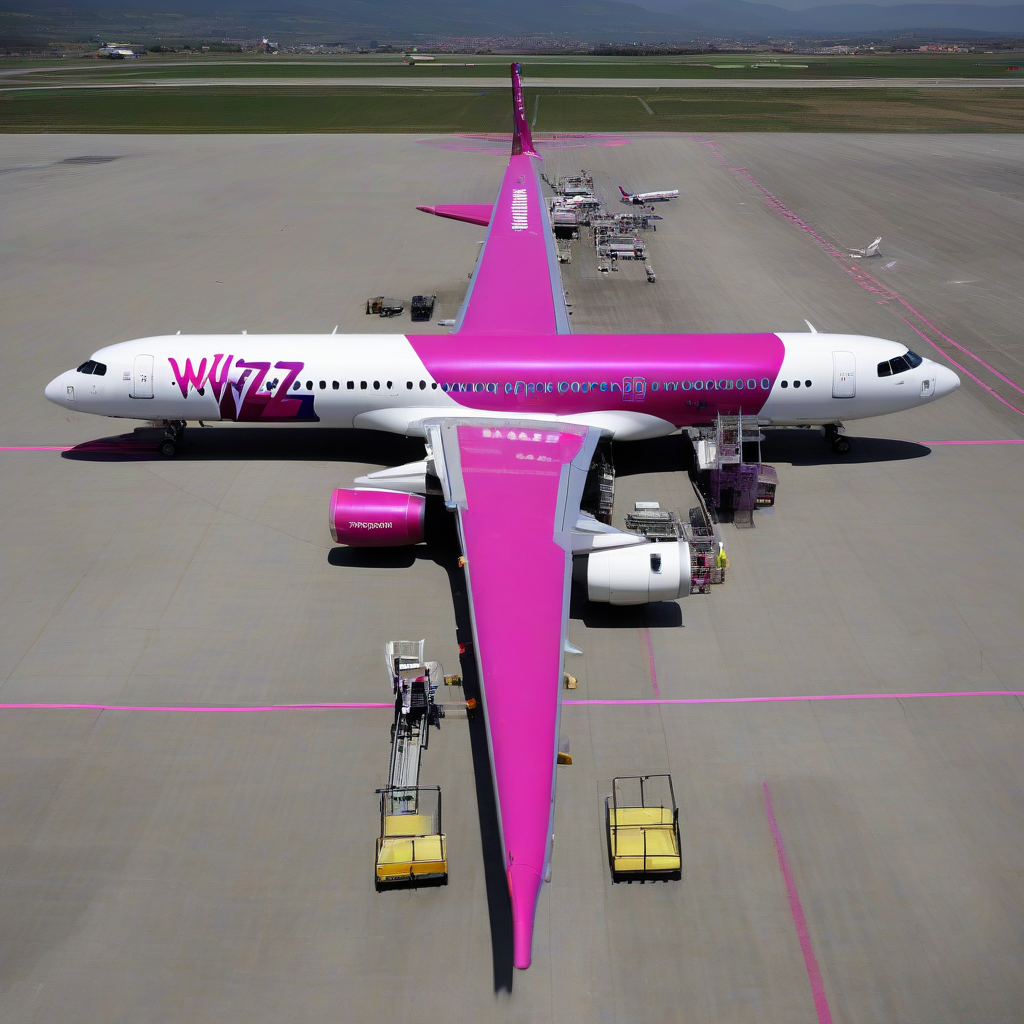
Wizz Air has confirmed plans to establish a new operational base at Prishtina International Airport, a development scheduled to commence in November 2026. According to Aviation Source News, this strategic expansion involves stationing one narrowbody Airbus A321neo aircraft at the facility to support increased flight frequencies and new route additions.
The expansion program is expected to add 500,000 seats to the airline’s total capacity at the airport. This increase in operational footprint will create 40 direct jobs for pilots and cabin crew, while supporting an estimated 350 indirect jobs across hospitality, tourism, and airport services. The airline’s history in the region dates back to April 2017, when it launched its inaugural route between Prishtina and Budapest.
Network Expansion Details
Wizz Air’s latest growth initiative includes the introduction of three new routes and an increased frequency for its existing Dortmund service.
| Route | Frequency | Start Date |
|---|---|---|
| Brussels Charleroi | 3 times weekly | 17 November 2026 |
| Karlsruhe/Baden-Baden | 4 times weekly | 16 November 2026 |
| Basel-Mulhouse | Daily | 16 November 2026 |
| Dortmund | 5 times weekly (up from 3) | 16 November 2026 |
Following these additions, Wizz Air will manage nine routes across six countries from the Prishtina hub. The carrier reported strong performance for the first half of 2026, operating approximately 1,400 flights between January and June, carrying more than 304,000 passengers with a 99.49% flight completion rate. Since its entry into the market in 2017, Wizz Air has offered more than 3.5 million seats to and from Prishtina.
Why It Matters
By positioning an Airbus A321neo permanently in Prishtina, Wizz Air is transitioning from a point-to-point visitor model to a resident carrier strategy. This shift typically allows for better early-morning departures and late-evening arrivals, enhancing connectivity for business travelers and residents alike. In the broader European market, this move signals an aggressive capture of secondary airport hubs where legacy carriers often struggle with high operational costs. By establishing local labor bases, the airline gains insulation against regional travel disruptions and secures a stronger competitive moat against low-cost rivals seeking to capitalize on growing Balkan demand.
Reader Discussion & Insights