Shifting Perceptions of Ramadan Travel
The Department of Culture and Tourism in Abu Dhabi is actively positioning the holy month of Ramadan as a deliberate period for travel and tourism. Historically, the Gulf region has been perceived as quieter during this time, often associated with limited business operations, reduced dining availability, and lower visitor traffic. However, recent data collected by the department throughout the 2026 season indicates that these traditional assumptions regarding the holy month are undergoing a significant shift. Source
Quantitative data from the 2026 period reveals that visitors are choosing to spend more time in the emirate. The average length of stay for travelers across Abu Dhabi increased by 3% compared to the previous year. Even more notable, domestic hotel guests extended their stays by 31% year-on-year. This upward trend in duration suggests that the destination's strategy to promote the holy month as a culturally rich season is beginning to influence traveler behavior and preferences effectively. Source
Engagement with cultural institutions has also seen a substantial rise, more than doubling between 2025 and 2026. Official figures provided by the Department of Culture and Tourism indicate that visits to cultural sites grew from approximately 131,000 during the 2025 season to over 291,000 in 2026. These numbers highlight a growing interest among travelers in exploring the traditional, historical, and artistic offerings available throughout the city during this time of year. Source
According to Abdulla Yousuf, the director of international operations for the Department of Culture and Tourism, the emirate remains fully operational during Ramadan. Contrary to historical perceptions of limited service, major luxury resorts, restaurants, theme parks, and beaches continue to function at full capacity without interruption. The primary distinction during the holy month is described as a change in the emirate's daily rhythm rather than a decrease in the availability of essential visitor services. Source
The Evolving Day-to-Night Visitor Experience
The daily experience is now characterized by a transition from calm daytime exploration of landmarks and cultural sites to a vibrant evening atmosphere. After sunset, the city features communal activities such as iftars, night markets, and late-night gatherings. This shift creates a day-to-night journey that provides a unique value proposition for the global travel trade, allowing advisors to build itineraries that blend relaxation, outdoor recreation, and deep cultural immersion for their clients. Source
Several factors are contributing to this change, most notably the favorable climate. During the 2026 Ramadan season, the emirate experienced cooler temperatures, which facilitated increased participation in outdoor activities. Visitors took advantage of the comfortable weather to explore the Corniche, enjoy kayaking in the mangroves, visit desert landscapes, and engage with various heritage sites. The combination of pleasant weather and curated night-time cultural activations serves as a major driver for extended stays. Source
Cultural institutions play a central role in the current tourism offering. During the day, travelers have access to prominent landmarks in the Saadiyat Cultural District, including the Louvre Abu Dhabi, the Natural History Museum Abu Dhabi, the Zayed National Museum, and teamLab Phenomena Abu Dhabi. By participating in these visits, international guests are provided with an opportunity to engage directly with Emirati traditions, hospitality, and the sense of community that defines the region. Source
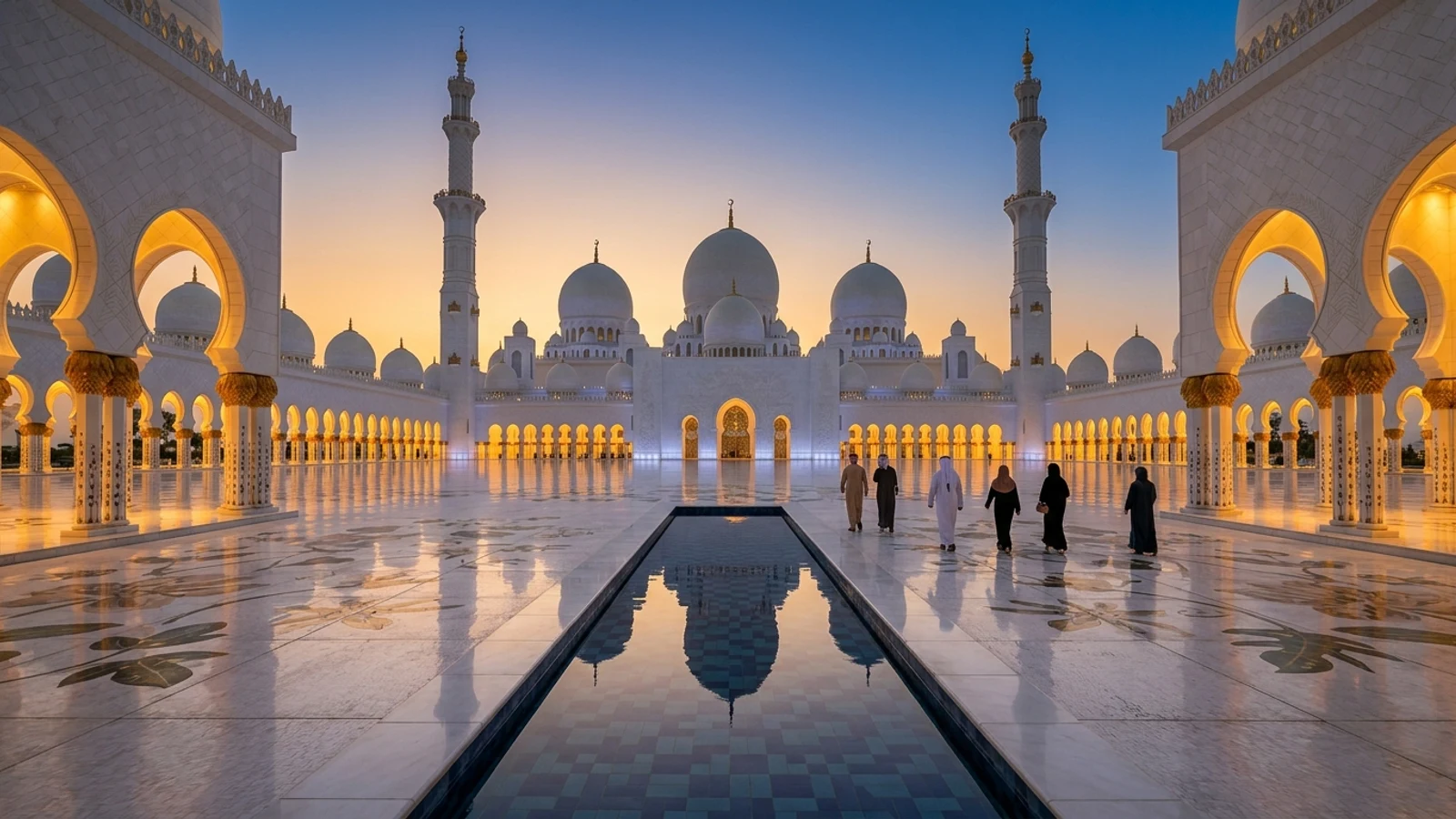
The nocturnal atmosphere further enhances the visitor experience through communal events. Specific activations mentioned by the Department of Culture and Tourism include heritage games at Al Jahili Fort, specialized Ramadan programming at Qasr Al Hosn, and shared iftars at local sites like Ezba Experiences. Late-night visits to the Sheikh Zayed Grand Mosque also feature prominently in the list of available experiences, encouraging visitors to connect with the local community at a slower, more deliberate pace. Source
To support international travel trade partners in selling the destination, the department has launched specific initiatives aimed at closing knowledge gaps. The Experience Abu Dhabi Experts e-learning platform now includes dedicated training modules focused on the Ramadan visitor experience. These resources provide travel advisors with practical insights into scheduling, dining, and activity planning, ensuring that they can communicate the diversity of the destination's offerings to potential travelers more effectively. Source
These efforts are supplemented by an international trade engagement program that includes roadshows and workshops across 23 global markets. Familiarization trips are also being utilized to allow travel partners to experience the local cultural offering firsthand. By deepening the trade's understanding of the destination's rhythm, the department aims to position the holy month as a year-round component of its wider Tourism Strategy 2030, encouraging consistent visitation and longer guest stays. Source
Looking toward the future, the department is preparing for the 2027 season, noting that Ramadan will again fall during the cooler months of February and March. This timing is expected to allow for a continued emphasis on outdoor activities alongside established cultural experiences. The insights gained from the 2026 data serve as a foundation for developing future visitor propositions that prioritize long-term engagement and reinforce the status of the emirate as a global tourism leader. Source
The following table summarizes the growth in cultural engagement as reported by the Department of Culture and Tourism for the specified periods, based on official figures provided to the travel trade. Source