
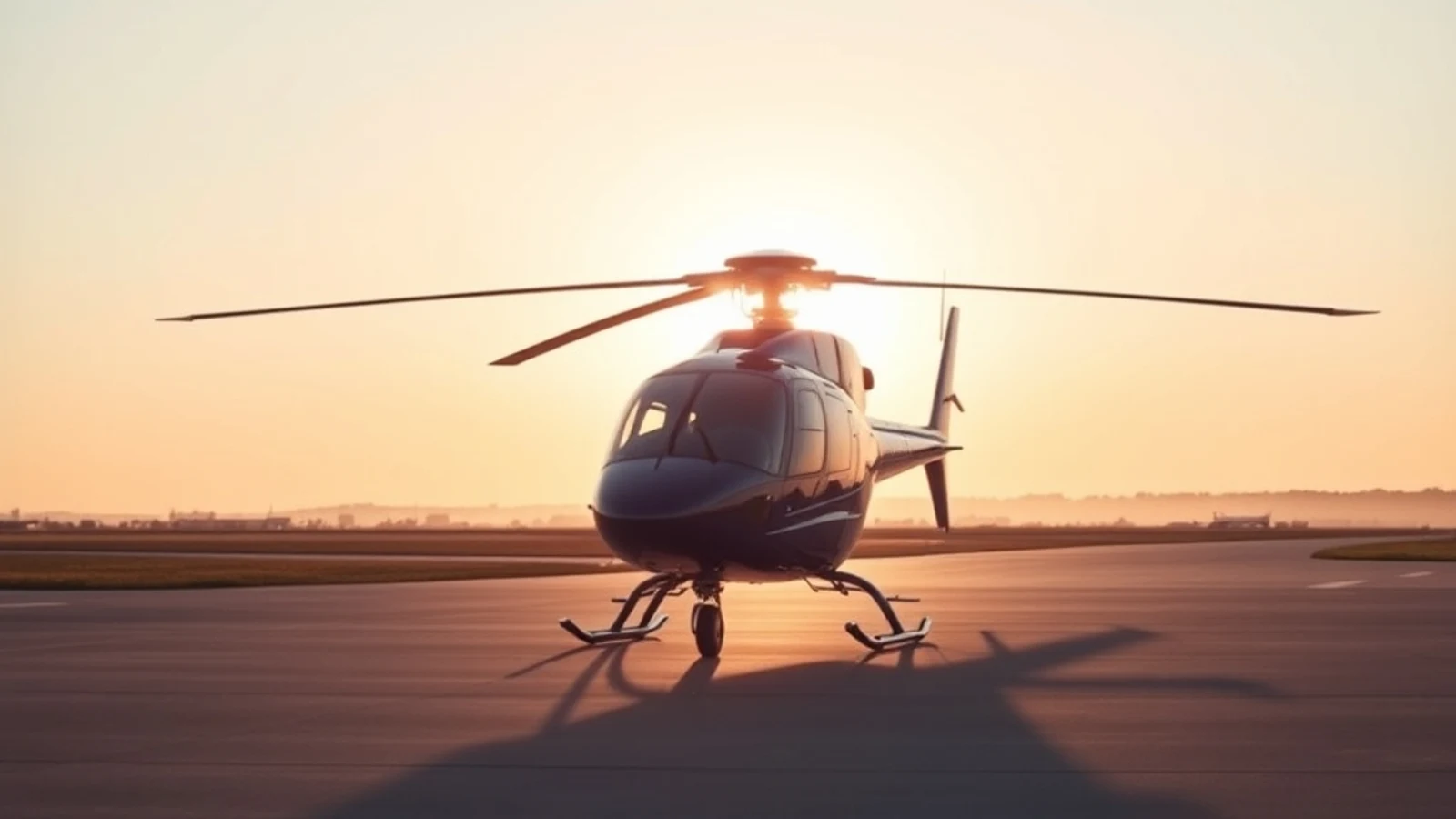
Mandatory Emergency Safety Directive
The European Union Aviation Safety Agency issued an emergency airworthiness directive on November 25, 2026, which took effect on November 27, 2026, targeting the entire fleet of Airbus H160-B helicopters. This regulatory action follows a production-line safety check that identified a potential flaw in the cockpit escape window locking mechanism. Aviation regulators determined that if the locking system is not correctly secured, the escape windows risk unlocking and detaching while the aircraft is in flight, posing significant safety hazards. Source
The deficiency was initially discovered during quality assurance testing on the assembly line. Operators observed that the direct visual indicator on the cockpit window release system was displaying a red warning flag. Further investigation concluded that when this warning flag remains visible, even partially, it indicates that the locking mechanism is not fully engaged. This specific condition allows for the possibility of the window detaching during flight operations, which could cause external damage to the aircraft structure. Source
EASA has categorized helicopters into two groups to manage the inspection process effectively. Group 1 comprises all aircraft fitted with at least one window part number identified in the directive, while Group 2 includes those without such components. Although the directive applies broadly to all H160-B serial numbers, the urgent requirement to complete an initial inspection within 10 flight hours applies specifically to Group 1. This classification ensures that resources are focused on the most critical units. Source
To identify if a specific helicopter falls under the mandatory inspection requirement, operators must verify the part numbers installed in the cockpit window system. There are four specific part numbers listed in the directive for the pilot and copilot positions. If an inspection confirms that the hardware is present, the operator is obligated to perform the necessary checks in accordance with the instructions provided in the Airbus Helicopters Emergency Service Bulletin H160-52-20-0005, published November 24, 2026. Source
The following table outlines the specific parts identified as requiring attention during the inspection process to ensure compliance with the new airworthiness standards for the H160-B cockpit window release mechanism. Source
Operational Requirements and Compliance
The inspection deadline is strictly measured in flight hours rather than calendar days, providing a specific operational threshold for completion. If an inspection reveals an irregularity outlined in the manufacturer's service bulletin, the aircraft must be subjected to corrective measures before it is authorized for further flight. Operators cannot defer these repairs to a future maintenance window; the return-to-service capability is contingent upon successful verification that the cockpit window is secure and the red warning flag is extinguished. Source
The directive also introduces permanent operational constraints concerning the future installation of these parts. From November 27, 2026, any installation of the affected window components requires a simultaneous inspection to verify correct alignment and locking. This requirement extends to aircraft that were not previously categorized as having the affected parts, effectively preventing unmonitored configuration changes. This measure ensures that the safety risk identified during production testing is mitigated for the entire operational life of the H160-B. Source
As an emergency airworthiness directive, these instructions possess binding regulatory force under European Union regulations, including Regulation (EU) 748/2012 and Regulation (EU) 2018/1139. Compliance is mandatory for all H160-B operators, and failure to adhere to these directives could result in the revocation of airworthiness certifications for the affected helicopters. The agency emphasizes that the publication was necessary to manage immediate safety risks to both the aircraft and individuals on the ground. Source
While the directive is comprehensive in its reach, EASA has not released data regarding the exact number of helicopters currently in service that feature the problematic window configuration. The H160 model, which entered the United States market in 2024 with operators such as PHI Aviation for offshore energy transport, is part of this global fleet. Operators must check their specific installation records to determine if their aircraft are part of Group 1 and therefore subject to the 10-hour inspection limit. Source
The regulatory language is clear regarding the necessity of immediate action. By forcing a production-line-style check on existing units, the agency aims to prevent the identified locking irregularities from manifesting in the field. The inclusion of manufacturer part numbers in the documentation provides a clear, objective standard for maintenance teams to identify which units require immediate servicing. This avoids blanket groundings, allowing operators to focus efforts only on helicopters that contain the identified components. Source
Should a discrepancy be detected during an inspection, operators are instructed to contact Airbus Helicopters to receive approved technical guidance for the required corrective actions. The service bulletin, H160-52-20-0005, serves as the primary technical reference for these procedures. EASA remains open to reviewing and approving later revisions of this bulletin, ensuring that the maintenance protocol can evolve as further data regarding the locking mechanism performance is analyzed by the manufacturer and the regulator. Source
Ultimately, the directive ensures that safety is prioritized through a transparent, evidence-based approach. By relying on the status of the cockpit window lock indicator as a diagnostic tool, regulators have provided a reliable method for identifying potential failures before they occur. Operators should ensure their documentation of these inspections is robust and available for review by aviation authorities to maintain the ongoing airworthiness of their Airbus H160-B fleets during this heightened period of regulatory scrutiny. Source

