
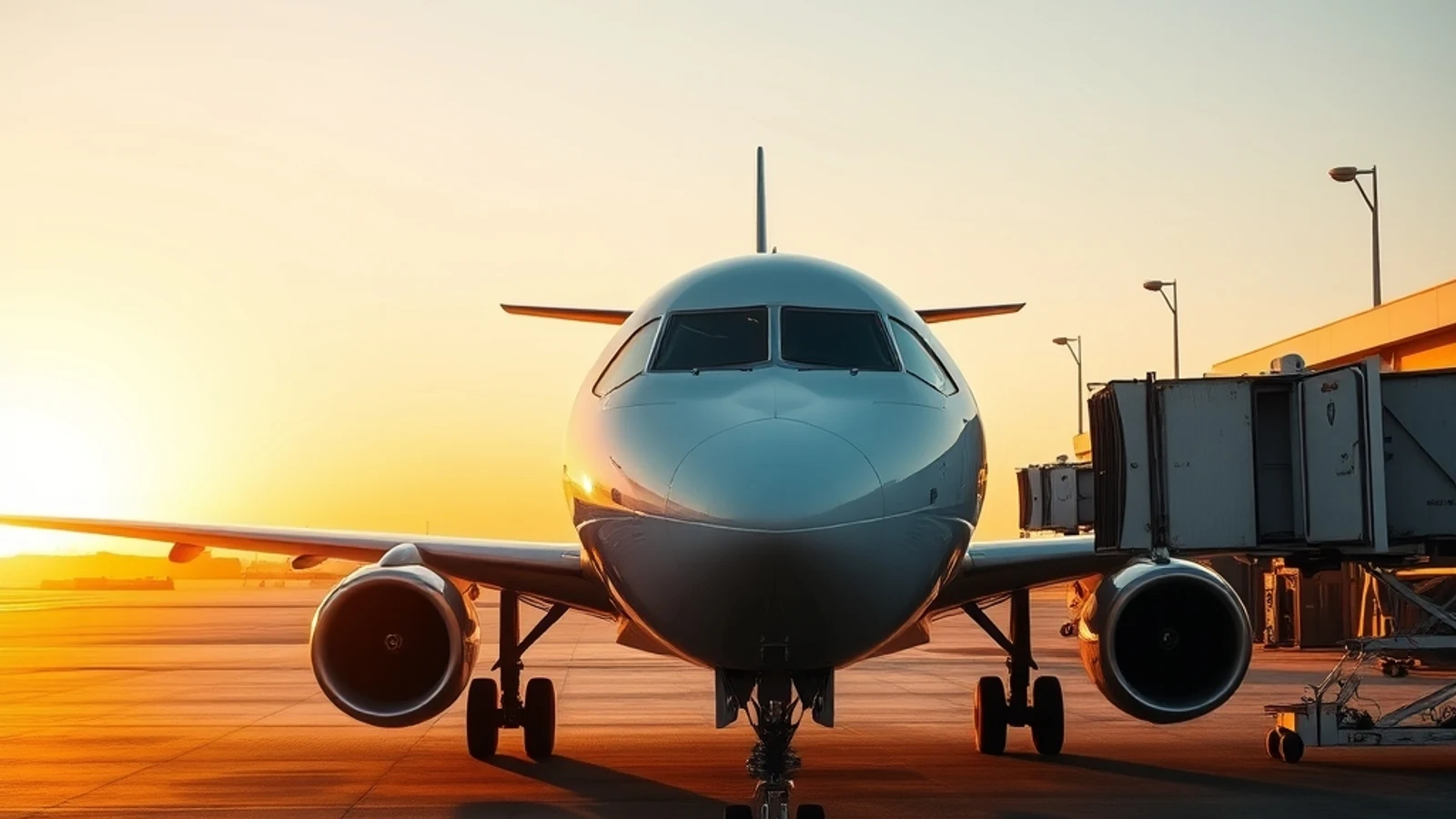
Operational Context and Fleet Composition
Delta Air Lines continues to utilize a selection of vintage Airbus A320-200 aircraft that retain tail numbers originally designated for Northwest Airlines, a carrier that finalized its merger with Delta in 2008 and ceased all operations by 2010. According to Simple Flying Aviation Discovery, while many of these airframes have reached 23 to 35 years in age, they remain active within the airline's domestic network. Delta maintains these older hulls despite the availability of modern narrowbody jets. Source
Current fleet records indicate that Delta operates 38 ex-Northwest A320-200 aircraft. Among these, 35 units continue to carry the 'NW' registration suffix. The maintenance of these aircraft involves significant effort, including the need for specialized inspections and logbook updates to meet modern safety standards. These vintage planes are frequently seen at gates alongside much newer deliveries, as the airline relies on its older narrowbody inventory to manage domestic flight schedules during peak travel periods. Source
Delta's reliance on aging hardware is partly driven by supply chain constraints and trade-related delays that have impacted newer fleet deliveries. As reported by Simple Flying Aviation Discovery, the airline previously accelerated the retirement of certain older aircraft during the 2020 travel decline but later returned them to service to meet resurgent demand. The carrier continues to prioritize cost-efficiency by depreciating owned aircraft over 25 to 30 years, which offsets the higher fuel consumption of the older engines. Source
Recent Operational Disruptions and Incidents
On November 26, 2026, Delta flight DL-2011, an Airbus A321 with registration N327DN, experienced an in-flight emergency shortly after departing Atlanta Hartsfield-Jackson International Airport for Austin. The flight crew reported a failure of the right-hand Number Two CFM-56 turbofan engine while at an altitude of approximately 13,000 feet. The pilots initiated an immediate return to Atlanta, and the aircraft landed safely on the runway without further complications for the 177 passengers on board. Source
This incident follows a separate system-wide technical disruption that occurred on November 22, 2026. According to KERN Radio, an outage in Delta’s Automated Load Instruction System prevented the software from calculating accurate weight-and-balance metrics necessary for safe takeoffs. The FAA responded by implementing a ground stop for flights bound for Atlanta, which was later reduced to a ground delay program. Delta crews were required to perform manual load calculations while IT teams restored service. Source
The technical failure on November 22 resulted in widespread delays across the U.S. network. FlightAware data confirmed that over 1,160 Delta flights were delayed by midday, representing roughly one-third of all domestic aviation delays on that day. While the FAA lifted the Atlanta delay program at 11:28 a.m. EST, the ripple effects caused congestion in major hubs such as New York, Boston, Minneapolis, and Miami. Other airlines operating at Hartsfield-Jackson were reportedly unaffected by the internal Delta system issue. Source
Passenger Policies and Seating Concerns
Beyond fleet and technical challenges, Delta has faced public scrutiny regarding its family seating policies. Reports from TheTravel highlight recent passenger accounts of young children being assigned seats in different rows from their parents. One parent noted that their two-and-a-half-year-old daughter was assigned a separate seat on a flight from Orlando to Atlanta. The mother claimed that gate staff informed her that resolving the seat arrangement was a responsibility to be negotiated with other passengers. Source
Delta's official policy states that the airline strives to seat family members together upon request but does not guarantee such assignments. According to the carrier's Contract of Carriage, it reserves the right to change seating at its own discretion. Passengers are encouraged to check seat assignments via the airline's website or mobile application, or to contact reservations if they are unable to secure adjacent seats. The airline maintains that it attempts to assist families in such instances, though it does not explicitly guarantee proximity. Source
The airline's approach differs from that of several other major U.S. carriers that provide specific commitments regarding free adjacent seating for children and accompanying adults. The Department of Transportation's family seating dashboard currently identifies airlines that have made formal commitments to these standards. Critics of the current Delta procedure have raised concerns regarding safety, particularly regarding the ability of young children to manage in-flight emergencies or evacuations if seated away from their parents. Source
To better understand the recent operational and technical landscape, it is useful to review the nature of these events. The following table summarizes the recent significant disruptions documented by the reported sources. Source
| Date | Incident Type | Operational Impact |
|---|---|---|
| Nov 22, 2026 | System Outage | Ground delay program; 1,160+ flights delayed |
| Nov 26, 2026 | Engine Failure | Emergency landing in Atlanta for flight DL-2011 |
Delta continues to manage these operational requirements while navigating its transition toward a modernized fleet. The airline has placed orders for additional Airbus widebodies, including A330-900s and A350-900s, to support international expansion and enhance long-term efficiency. Despite these advancements, the reliance on older narrowbody jets for domestic routes remains a temporary bridge until newer deliveries from Airbus and Boeing accelerate throughout the coming year. Source

