
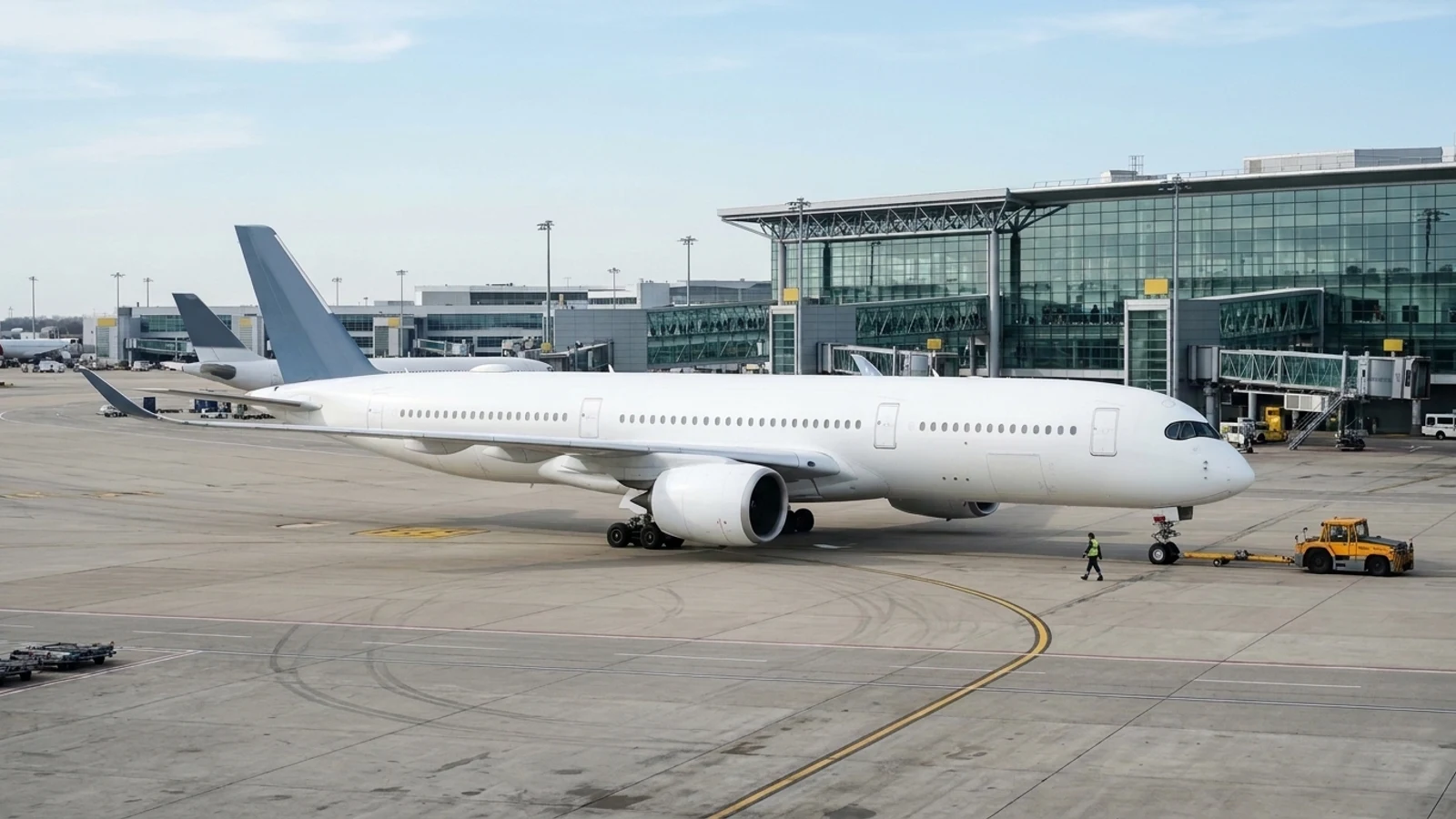
Delta Air Lines is currently preparing for a significant modernization and expansion of its long-haul fleet, having secured a firm order for 20 Airbus A350-1000 aircraft. These widebody planes are slated to begin joining the airline's fleet in 2027. According to Simple Flying Aviation Discovery, these incoming units represent the largest aircraft type to be operated by Delta since the retirement of its Boeing 747 fleet. The addition is part of a broader strategy intended to support the airline's ambitious transpacific network goals. Source
The airline’s strategy for the coming decade focuses on westward expansion, targeting increased connectivity to Asia and Oceania. Delta has demonstrated consistent growth in these regions, citing a 15% year-on-year capacity increase since 2022. Executive leadership, including Seoul-based Vice President for the Asia Pacific Jeff Moomaw, has signaled that this growth trend is expected to continue. The carrier intends to leverage the high capacity and range of the A350-1000 to reach markets that were previously limited for smaller aircraft. Source
For the passenger experience, the new A350-1000 aircraft will feature the highest density of premium seating options within the carrier's current fleet. Delta confirmed plans to install its next-generation Delta One suites, which include sliding privacy doors, elongated lie-flat bedding, and upgraded entertainment displays. Furthermore, the airline is expanding its Premium Select cabin offering. These configurations are designed specifically to capture and retain high-demand business and premium leisure travelers flying on the airline's long-haul international routes. Source
Delta currently centers much of its South Pacific operations at Los Angeles International Airport (LAX). As the largest carrier at LAX with over 200 daily departures, the airport serves as the primary gateway for existing services to Sydney and Melbourne. These routes are currently served by the smaller A350-900 models, and it is anticipated that these services will be prioritized for an upgrade to the A350-1000 once those units enter the fleet. The airline also maintains seasonal services to Auckland and Brisbane. Source
Seattle serves as the airline's secondary Pacific gateway, particularly for connections to Southeast Asian markets. Beyond its existing nonstop routes to Seoul, Shanghai, and Taipei, the airline has confirmed plans to launch a new nonstop service to Tokyo Narita beginning March 27, 2027, which will be operated by an Airbus A330-900neo. The expansion in the Pacific is corroborated by documents submitted to the FAA for air traffic coordination meetings, which explicitly identified Manila and Singapore as targeted growth markets for 2027. Source
Speculation regarding a new Seattle to Singapore route has increased following the circulation of event invitations for a 'Delta Night Market' at the Seattle Museum of Pop Culture. While the airline has not yet finalized a schedule, leadership has publicly stated an intent to return to the city-state. Such a move would introduce competition to the existing nonstop service currently provided by Singapore Airlines. The addition of such a route would align with Delta's objective to offer more nonstop flights without requiring partner-hub connections. Source
The potential Seattle-Singapore route, if confirmed, would represent a shift in the airline's long-haul focus. Currently, Delta serves other key hubs including Hong Kong and Manila, with the latter service scheduled to commence in March. The airline’s operational flexibility allows for the seasonal redeployment of widebody aircraft that are not required for European routes during the Northern Hemisphere winter season. This strategy enables the carrier to maintain consistent capacity in the South Pacific throughout the year. Source
Market competition for these long-haul routes remains dynamic. United Airlines currently operates direct service from San Francisco to Singapore, while Singapore Airlines provides consistent connectivity between Singapore and major US hubs using the A350-900. Industry analysts and observers suggest that an expansion of service by Delta would provide additional choice for passengers. The airline has invested significantly in its Pacific network to remain competitive against both domestic rivals like Alaska Airlines and international carriers operating in the region. Source
Looking ahead, the deployment of the A350-1000 fleet will serve as a key differentiator for the airline's transpacific services. As noted by Simple Flying Aviation Discovery, the first deliveries will be allocated to routes that consistently reach the payload limitations of the current A350-900 fleet. The combination of range and seat capacity provides a necessary technical upgrade for ultra-long-haul missions across the Pacific Rim, where geographic distance often precludes the use of smaller or less efficient narrowbody or legacy widebody aircraft. Source
Operational developments such as the multibillion-dollar redevelopment at LAX further support the case for continuing the expansion of Pacific network nodes from that hub. Meanwhile, the strategic focus on Seattle is emphasized by the addition of routes like Barcelona and Rome earlier this year. These investments reflect a concerted effort by Delta to strengthen its position as a global carrier in the Pacific theater, specifically by diversifying the available nonstop options for travelers based on the US West Coast. Source
As of late 2026, the specific route map for the 20 incoming A350-1000s remains subject to future official confirmation. While executives have teased the broader 'decade of the Pacific' concept, the airline maintains a cautious approach regarding the announcement of exact launch dates or frequency schedules for new services to Singapore or Manila. Potential passengers are encouraged to monitor future announcements from the airline regarding service entry dates as the 2027 delivery timeline for the new Airbus widebodies approaches. Source
Ultimately, the strategic acquisition of these aircraft underscores a shift in how Delta intends to address the high-demand transpacific market. By consolidating its premium products within a larger, more efficient airframe, the airline aims to balance high passenger capacity with the comfort requirements of long-distance business and leisure travelers. Whether these planes ultimately replace existing equipment on current routes or support the inauguration of entirely new, direct long-haul paths, they are central to the carrier's future operations. Source

