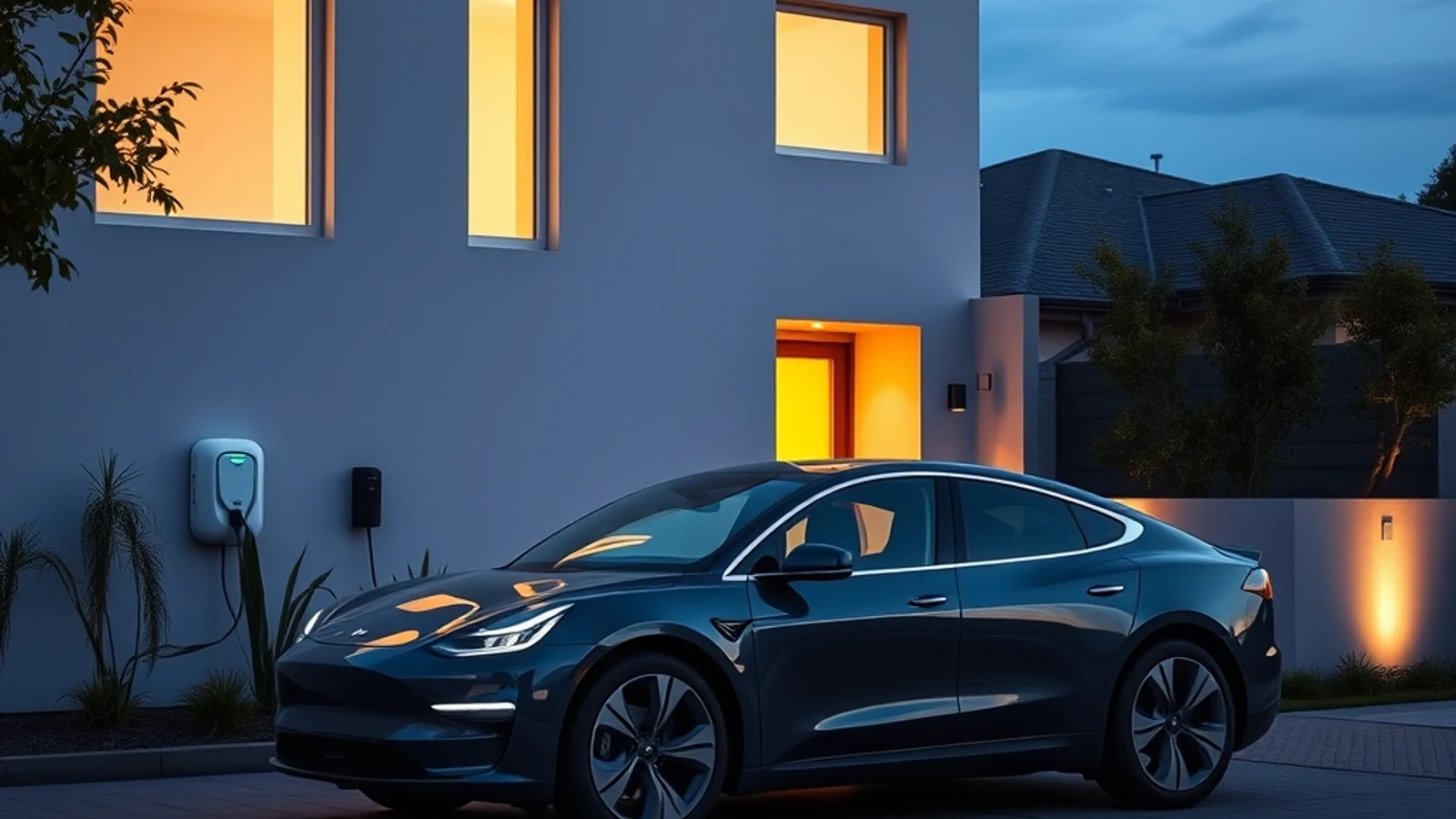
On November 11, 2026, Lunar Energy introduced its next-generation home energy ecosystem, which includes a newly developed 25-kW DC fast charger. This hardware is designed to integrate directly with the company’s updated home battery system. By connecting to the DC side of the battery, the manufacturer states that this configuration removes the necessity for homeowners to perform electrical panel upgrades when installing the new charging equipment. Source
Technical Specifications and Charging Capabilities
The charger is capable of delivering power at a rate of up to 25 kW, with the company estimating that it can provide approximately 100 miles of range to a compatible electric vehicle in one hour. However, the manufacturer clarifies that actual charging performance remains subject to variability based on the specific vehicle model and existing environmental or electrical conditions at the installation site. Source
The updated Lunar System incorporates a 13.4 kW inverter and utilizes 5 kWh battery modules for storage. Homeowners can scale the system according to their needs, with a single tower providing between 10 kWh and 30 kWh of capacity. When multiple towers are installed side by side, the total system capacity can reach up to 300 kWh. The platform is designed to operate with new solar installations using Lunar Maximizer optimizers, existing solar setups, or as a standalone battery unit. Source
Lunar Energy is also expanding the application of its technology for small businesses. These commercial configurations feature pad-mounted systems that can reach a total energy capacity of 1 MWh. According to the manufacturer, businesses can leverage these installations to provide backup power during grid failures and to manage utility-imposed demand charges, which are fees assessed based on the peak power draw of a property. Source
Beyond hardware, the system is managed by Lunar AI. This software processes real-time electricity rates, local weather forecasts, and the energy consumption patterns of a property to optimize the charging and discharging of the batteries. The company reports that data from California customers using the AI software showed an average savings of $338 last year compared to users operating the battery under a standard, non-optimized mode. Source
The new charger supports both CCS and NACS connector standards. While the company markets the system for its bidirectional capabilities, it has not yet provided a list of electric vehicle models that are compatible with vehicle-to-home (V2H) functionality. The company advises that charging an electric vehicle and discharging its battery for home use are distinct technical capabilities, and homeowners must verify their vehicle's specific compatibility before relying on the system for backup. Source
When paired with a compatible electric vehicle, the system may allow users to extend their home backup power during prolonged outages, depending on the available battery capacity of the vehicle and the power requirements of the household. Additionally, the system may enable vehicle-to-grid (V2G) participation, though the company notes that such payments are contingent upon the availability of specific utility programs and are not a guaranteed benefit of the hardware installation. Source
Lunar Energy operates a global network of distributed energy assets via its Gridshare platform. The company claims to manage over 150,000 devices, organizing them into virtual power plants that allow utilities to access stored energy during periods of high demand. These operations currently exist in California, Hawaii, and Texas, with plans to expand in Utah, Nevada, and New Jersey, as well as internationally in Europe, the United Kingdom, and Japan. Source
Deployment and Manufacturing
The manufacturing process for these energy systems takes place across several locations in the United States, including California, Georgia, Idaho, and Washington. Engineering and research and development activities are concentrated in Mountain View, California. While the product launch occurred in November 2026, the company has indicated that the battery system will be available for installations starting in early 2027, with the charger rollout scheduled for later in 2027. Source
Pricing for the new hardware has not been disclosed by the company. Homeowners are encouraged to wait for further details regarding compatible electric vehicle models and costs before determining the feasibility of the system for their specific home setup. The system aims to simplify energy management by removing the need for customers to manage multiple, disparate systems for solar, home storage, and electric vehicle charging. Source
Lunar Energy emphasizes that its platform is intended to address the growing strain on electricity grids caused by increased demand. By automating the interaction between grid power, solar generation, and battery storage, the system seeks to provide a way for families and businesses to hedge against rising rates and power outages. The integration of the electric vehicle as a functional energy asset is central to the company’s current product strategy. Source
The company’s announcement differentiates its offering from standard home charging systems, which typically operate independently of the home’s energy storage and management. The Lunar system is presented as an all-in-one platform intended to provide energy autonomy through its intelligent software, while also assisting utility providers by offering dispatchable power that could potentially reduce the reliance on secondary peaker plants. Source