
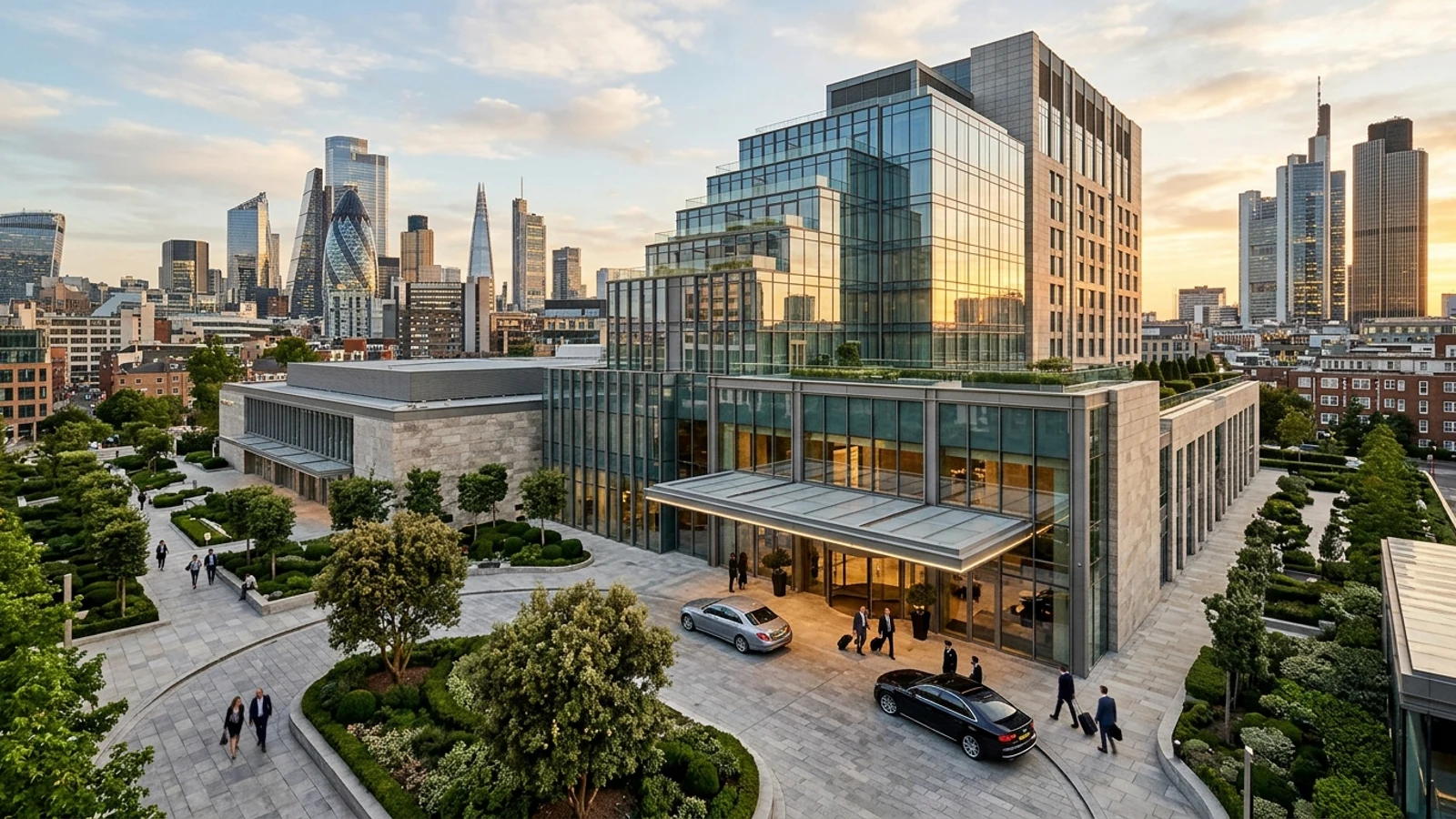
Cities across the United States are actively expanding their hospitality infrastructure to secure larger convention business through 2030. Projects in Detroit, Cincinnati, Raleigh, and Indianapolis are focused on developing headquarters hotels that provide direct, climate-controlled connections to local convention centers. These efforts aim to solve the longstanding issue of inadequate room inventory near major meeting venues. While these developments offer planners new venue options, experts warn that potential construction delays and shifting timelines require careful contract evaluation. Source
Indianapolis is set to strengthen its position with the 803-room Signia, which will connect via skywalk to the Indiana Convention Center and Lucas Oil Stadium. The facility will feature 100,000 square feet of meeting space, including a 50,000-square-foot ballroom described as the largest in the state. Amenities include the new Signia Restore wellness concept, seven dining venues, and a rooftop pool. This expansion is part of a broader trend where hotels are being designed to host large-scale association gatherings. Source
In Detroit, the city’s first JW Marriott is currently under construction to provide a luxury headquarters hotel connected by skybridge to Huntington Place. The project includes 53,000 square feet of meeting space, a spa, and four dining concepts. The developer reports that over 50 meetings and events are already booked in anticipation of the opening. City officials are simultaneously considering a second 600-room hotel for the same site to further bolster their capacity for large citywide events. Source
Miami Beach is moving forward with an 800-room Grand Hyatt that will feature a climate-controlled skybridge directly linking to the Miami Beach Convention Center. Construction reached a topping-out milestone in July 2026, and the property is already securing group contracts for 2028. The hotel will offer three levels of meeting and event space, complemented by 10,000 square feet of outdoor venues, addressing a critical gap identified after the center's $640 million renovation. Source
In Las Vegas, the former Mirage is being converted into a Hard Rock Hotel & Casino featuring a 700-foot guitar-shaped tower. The resort plans to include 200,000 square feet of single-level convention space, including a 90,000-square-foot clear-span center. The location will also house a 174,000-square-foot casino and various entertainment venues. These facilities are intended to capture demand from major incentive programs and large trade shows requiring proximity to both lodging and meeting areas. Source
Glasgow is currently seeing significant hotel development activity, with multiple projects focused on restoring historic urban architecture for guest use. Developments like the transformation of the C&A building on Sauchiehall Street into a 144-bedroom hotel reflect this trend toward repurposing empty retail spaces. Other significant projects include the conversion of the former Watt Brothers department store into a 100-bed lifestyle hotel and the proposed 142-bedroom hotel at Eastvale Place, adjacent to the SWG3 cultural campus. Source
A new wellness-focused brand, Acolyte, is planning three London property openings through 2029, following the acquisition of the Other House portfolio by Aendre. The first locations in Covent Garden and South Kensington are scheduled to open in autumn 2027, with a flagship property in Belgravia following in 2029. These properties will offer specialized facilities such as longevity suites, infrared movement studios, and ice baths, shifting away from traditional luxury hotel models toward integrated health and recovery ecosystems. Source
Preferred Hotels & Resorts has announced a global slate of openings for 2027, featuring properties in locations such as Lisbon, Mexico City, and the U.S. Virgin Islands. Among the new developments is the Wynn Al Marjan Island in Ras Al Khaimah, a 70-storey beachfront resort scheduled for September 2027. This project will feature 1,540 rooms, a superyacht marina, and a theatre, illustrating the brand's continued expansion in the luxury resort sector across emerging international markets. Source
The diversity of these projects ranges from major urban convention hubs to specialized nature-based retreats. While larger projects like those in New Orleans and Louisville face uncertain opening timelines—with projections shifting between 2029 and 2030—smaller boutique properties in regions like San Antonio or Punta Cana are moving toward their announced completion dates. Travelers and event planners are encouraged to monitor these developments as they represent significant shifts in both local infrastructure and global luxury hospitality capacity. Source
Hotel Development Specifications
Construction and project planning metrics provide a clear view of the scale of current investments. The following table highlights selected major developments and their core specifications as reported by project stakeholders. Source
Pipeline Comparison
| Hotel Project | Rooms | Meeting Space (sq. ft.) | Anticipated Opening |
|---|---|---|---|
| Signia Indianapolis | 803 | 100,000 | Not Stated |
| Grand Hyatt Miami Beach | 800 | 100,000 | Post-July 2026 |
| JW Marriott Detroit | 600+ | 53,000+ | Not Stated |
| Hard Rock Las Vegas | 3,600+ | 200,000 | Not Stated |
| Omni Raleigh | 600 | 61,000 | Not Stated |
| Wynn Al Marjan Island | 1,540 | 100,000+ | Sept 2027 |
The strategic focus for many of these projects is to enable cities to compete for events that previously bypassed them due to capacity constraints. In Cincinnati, the $540 million headquarters hotel is part of a broader $800 million district redevelopment, aiming to resolve a historic competitive disadvantage. Similarly, the upcoming Omni Raleigh is designed to allow the city to host two concurrent conventions at the local center, significantly increasing potential revenue for the destination through 2030. Source

