Reported by OilPrice.com
Oilยท ๐ŸŒ Global

South Sudan Seeks Investment Amidst Pipeline Security Challenges

South Sudan is courting fresh investment to reach a production target of 230,000 barrels per day, despite ongoing export volatility caused by the civil war in Sudan.

By Rohit Kumar

AI-assisted reporting based on the linked source record. How we publish

Published 11 Nov 2026, 6:21 am IST ยท 2 min read

Key facts

Reported by OilPrice.com
  • โ€ขSouth Sudan is targeting an increase in oil production from 170,000 bpd to 230,000 bpd.
  • โ€ขAll oil exports must transit through Sudan, where warring factions extract transit fees.
  • โ€ขThe RSF and Sudanese Army both derive revenue from the flow of South Sudanese crude.
  • โ€ขInfrastructure vulnerabilities and pipeline ruptures have previously resulted in significant production declines.
  • โ€ขAlternative export routes to Kenya or Djibouti are considered economically unviable under current production levels.
South Sudan Seeks Investment Amidst Pipeline Security Challenges
๐Ÿ“ Oil Sector Dispatch ยท OilPrice.com
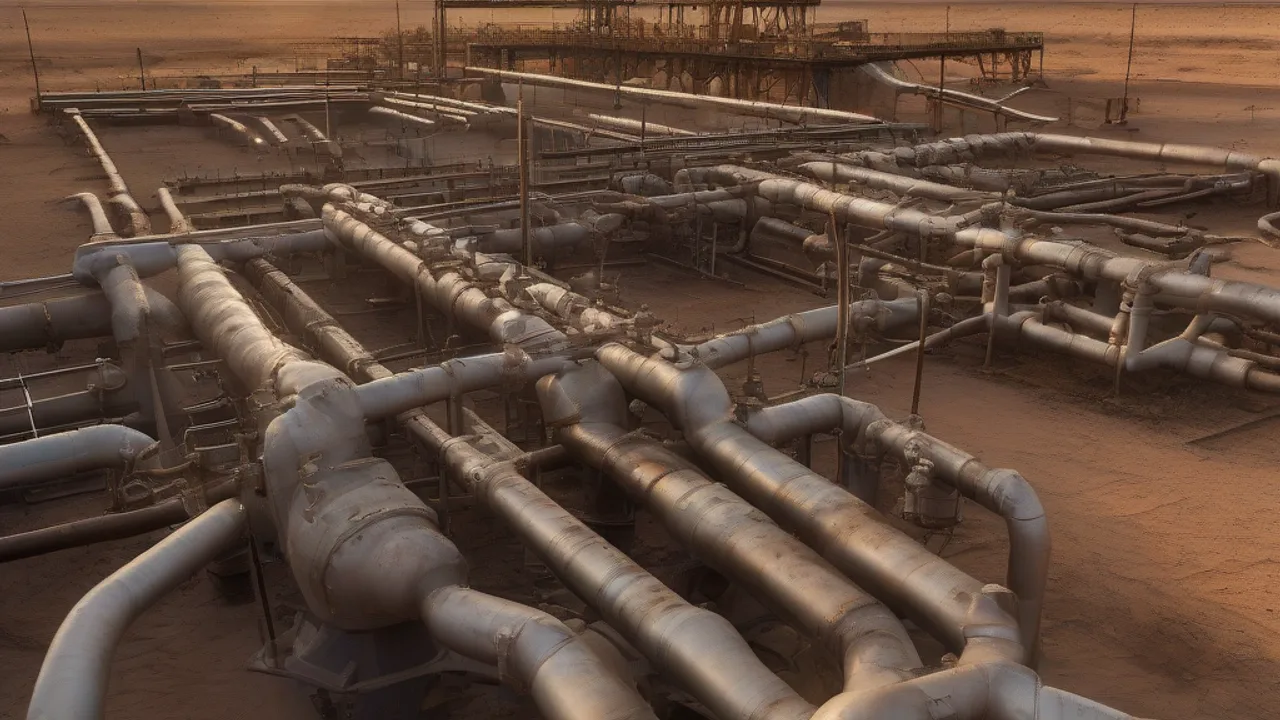
AI-generated editorial illustration: Created by SkylineWire; it is an illustration, not documentary evidence.1280ร—720

Key Story Context & Attributes

Industry Sector:Oil and Gas, Energy Infrastructure
Companies Mentioned:Afreximbank
Geographic Scope:South Sudan, Sudan
Reporting Source:OilPrice.com

South Sudan is actively soliciting capital to boost domestic oil production from its current level of approximately 170,000 barrels per day (bpd) to a short-term goal of 230,000 bpd. According to reports from OilPrice.com, the South Sudan Oil & Power conference, scheduled for late November 2026, aims to attract investors to 14 exploration blocks. However, the nation's energy sector remains constrained by the ongoing civil war in neighboring Sudan, through which all South Sudanese crude must transit to reach export terminals on the Red Sea.

Export operations are currently subject to the influence of warring factions. Crude from Blocks 1, 2, and 4 flows through the Greater Nile pipeline via Heglig, an area where the Sudanese paramilitary Rapid Support Forces (RSF) hold territory while the Sudanese Army controls the export terminals. Industry sources cited in the report indicate that Juba pays a $11 fee per barrel to these forces, with $4 of that total going to the RSF. The Sudanese Army utilizes transit and processing fees to support its military operations.

Infrastructure vulnerabilities persist elsewhere in the region. The Petrodar pipeline, which transports Dar Blend from Blocks 3 and 7, previously suffered a significant shutdown in February 2024 due to a rupture that reduced production to roughly 62,000 bpd. While full flows resumed in April 2025, the facility continues to face threats from drone attacks. The economic impact of these disruptions was severe, with South Sudanโ€™s economy contracting by an estimated 24% in fiscal 2025.

While the government in Juba aims to increase output, a petroleum ministry official noted an August 2027 target of 200,000 bpd, contrasting with the more aggressive 230,000 bpd figure promoted for the upcoming conference. Expanding production remains tied to the capacity of existing pipelines, as the World Bank has indicated that alternative routes to Kenya or Djibouti would require significantly higher production volumes and capital investment to be viable. Investors seeking to capitalize on these blocks must navigate a complex security landscape where any increase in production serves to bolster the income of the forces controlling the transport corridors. Source: OilPrice.com

Source-stated Dates & Events

2024-02

Pipeline rupture cuts South Sudanese exports by approximately two-thirds.

2025-04

Full flow resumes through the Petrodar pipeline.

2025-12

RSF displaces the Sudanese Army in the Heglig area.

2026-10-31

The Africa Energy Bank is formally established in Abuja.

Announced Next Steps

  • 1South Sudan Oil & Power conference scheduled for late November 2026.
  • 2Monitoring progress toward the 200,000 bpd production target by August 2027.

Frequently Asked Questions

Current production is estimated at approximately 170,000 barrels per day.

All export pipelines transit through Sudan, where warring factions (the Sudanese Army and RSF) control territory and charging transit fees.

Source & Evidence Ledger

1 linked source
1
OilPrice.comLinked reporting source ยท 11 Nov 2026, 5:30 am IST
Open source โ†—

Upstream source timestamp: 11 Nov 2026, 5:30 am IST. Skyline publication timestamp is shown in the byline above.

SkylineWire Android App

Read in the SkylineWire App

FREE

30s Fast Bites, Executive Audio Briefing Room & offline reading on Android.

Get on Google Playโ†’

See our editorial team and corrections policy.

Related Intelligence Reports

More in Energy โ†’

Get Breaking Global Intel in Your Inbox

Subscribe to the Skyline Wire AI Daily Briefing. Direct insights across Aviation, Tech, EVs, and Markets.

Original source link: OilPrice.com

South SudanOil ProductionSudan Civil WarPipelinesEnergy Investment
South Sudan oilPetrodar pipelineHegligRSFcrude oil exports