Fleet Expansion and Procurement Details
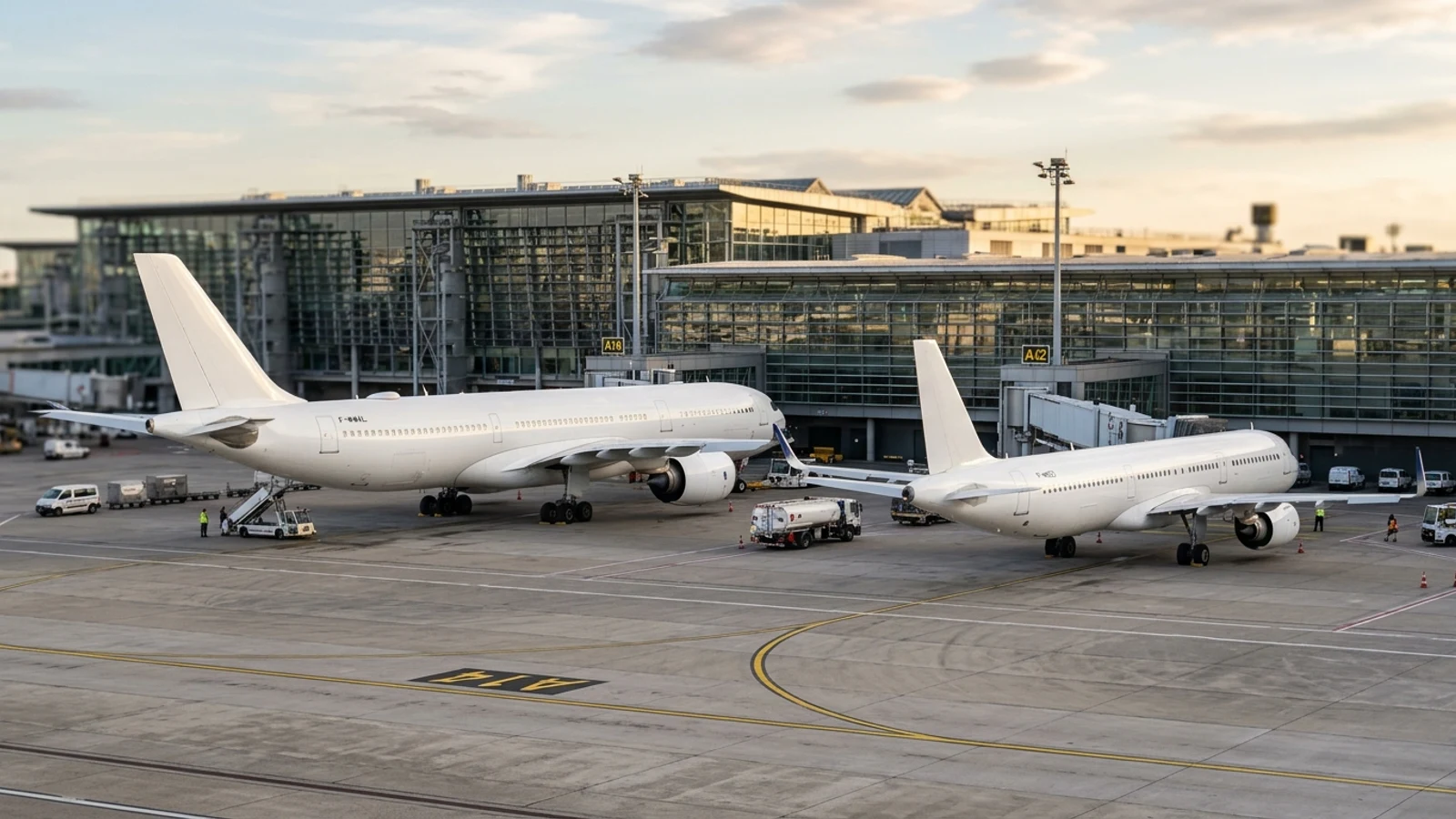
The Cathay Group has announced a firm order for 14 additional Airbus aircraft to bolster its fleet modernisation and expansion plans. This procurement includes 11 A330-900 wide-body aircraft and three A321neo single-aisle aircraft. The agreement, disclosed on 11 November 2026, represents a significant investment in the airline’s future operational capabilities. By integrating these specific models, the carrier aims to enhance its regional and long-haul service performance while meeting sustainability targets. Source
This latest order increases the Group's total firm commitment for the A330-900 model to 41 aircraft, building upon an initial order of 30 units placed during 2024. Simultaneously, the three newly ordered A321neo aircraft supplement a previous commitment made in 2023 for 32 A321neo and A320neo family aircraft. These combined acquisitions reflect a strategic focus on streamlining the fleet around specific Airbus families to benefit from operational efficiencies and commonality in training and maintenance protocols. Source
Alex McGowan, Cathay Chief Operations and Service Delivery Officer, stated that the airline remains satisfied with the existing performance of the A330 and A320 families currently in service. The addition of these modern, fuel-efficient aircraft is expected to support growth across the Asia-Pacific region. Furthermore, the increased capacity provides the airline with the flexibility to deploy these assets on longer-haul flights, effectively strengthening the connectivity at its primary hub located in Hong Kong. Source
Benoit de Saint-Exupery, Airbus Executive Vice President of Sales for the Commercial Aircraft business, described the order as a strong endorsement of the value provided by the A330ceo and A320 families. Airbus officials highlighted that the integration of the A330-900 and A321neo allows the operator to precisely match capacity with market demand. The manufacturer emphasizes that the acquisition will assist the airline in achieving lower fuel burn and improved operational economics through a more contemporary, streamlined fleet architecture. Source
Technical Specifications and Operational Capabilities
Technically, the A330neo is powered by the latest generation Rolls-Royce Trent 7000 engines. This aircraft is engineered for non-stop operations spanning up to 8,100 nautical miles, equivalent to approximately 15,000 kilometers. According to the manufacturer, the A330neo offers a reduction of 25% in fuel burn, CO₂ emissions, and operating costs when measured against previous-generation competitor aircraft. The cabin design, branded as the Airspace cabin, is intended to provide a modern experience for passengers and crew members. Source
In the single-aisle segment, the A320 family remains the most popular aircraft in the world, with global orders reaching approximately 20,600 units. The A321neo stands as the largest variant within this family. Performance data provided by the manufacturer indicates that these aircraft provide at least 20% in fuel savings and reduced CO₂ emissions compared to the previous generation of single-aisle models. Additionally, the cabin width is highlighted as a key feature to maximize passenger comfort throughout the flight duration. Source
The Cathay Group's recent fleet decisions suggest a move towards long-term reliance on the A330neo platform for medium to long-haul routes. The following table provides an overview of the current status of the firm commitments for the referenced aircraft types based on public records provided by the manufacturer. Source
| Aircraft Type | Previous Orders | New Addition | Total Firm Commitment |
|---|---|---|---|
| A330-900 | 30 | 11 | 41 |
| A321neo/A320neo | 32 | 3 | 35 |
While the order is confirmed, specific details regarding the interior configuration, delivery schedules, or the exact entry-into-service dates for these 14 new aircraft remain pending. Passengers should note that airline cabin layouts often vary from the manufacturer's baseline reference models. The Cathay Group has not yet released information regarding which specific routes will see the deployment of these incoming airframes or how the cabin service standards will differ from their current fleet profile. Source
The commitment to the A330neo ensures that the airline will continue to utilize the Rolls-Royce Trent 7000 propulsion technology for its wide-body fleet. This engine technology is central to the claimed 25% efficiency gain. By focusing on these specific models, the Cathay Group aims to maintain a consistent passenger experience while managing the operational complexities associated with a large, mixed-type fleet. The airline's strategy remains focused on sustainability and performance optimization across its global network. Source
The A321neo procurement indicates a continued focus on expanding regional footprint and high-frequency network connectivity. With the widest cabin in its class, the A321neo is designed to address both passenger comfort and the high performance required for shorter, high-demand routes within the Asia-Pacific region. As Cathay Group integrates these assets, the focus will likely shift to internal fleet management and the finalization of cabin layouts that align with their brand requirements and long-term service delivery objectives. Source
In summary, the 11 November 2026 order solidifies the relationship between the Cathay Group and Airbus, reinforcing the airline's transition toward more efficient technology. The expansion encompasses both wide-body and narrow-body aircraft, ensuring versatility across the airline's diverse route network. The focus remains on leveraging the inherent fuel savings and capacity flexibility of the A330neo and A321neo models to support the airline's overall growth and connectivity goals at its main hub in Hong Kong. Source