
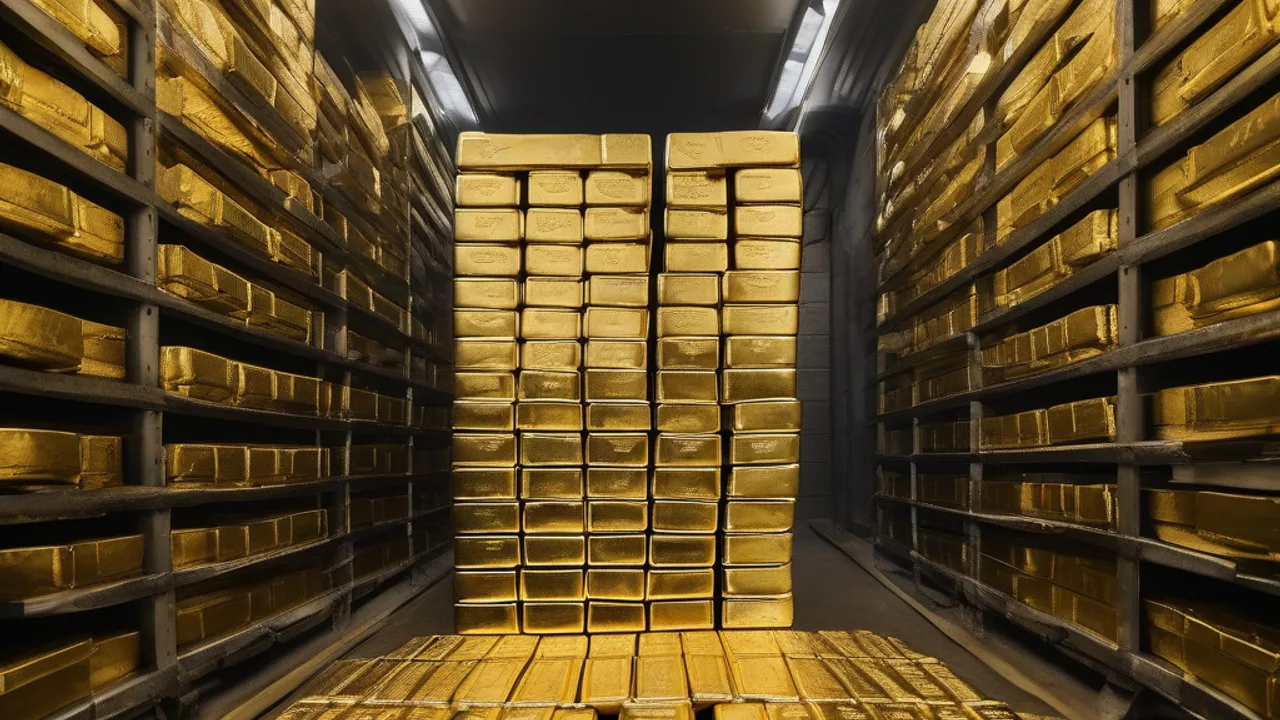
Gold prices fell on Wednesday, November 11, 2026, after higher-than-expected U.S. inflation data boosted the U.S. dollar and strengthened expectations for Federal Reserve interest rate hikes, according to a report by Nation Thailand.
Spot gold dropped 1.1% to $3,986.79 per ounce by 1:51 p.m. ET (1851 GMT), extending a fall of nearly 3% from Tuesday. Earlier in the trading session, spot gold had reached a high of $4,066.77 per ounce. U.S. gold futures for December delivery settled down 0.7% at $4,000.50 per ounce.
The price decline followed U.S. Consumer Price Index (CPI) data showing October consumer prices increased by 0.4%, topping the 0.3% rise forecast by economists polled by Reuters. Following the CPI release, financial markets priced in an 87% chance of a 25-basis-point Federal Reserve rate hike at the December meeting, while expectations for a larger 50-basis-point rate increase rose to 12.9% from zero.
The heightened rate expectations pushed the U.S. Dollar Index to its highest level since April 2025. A stronger dollar elevates bullion costs for buyers using foreign currencies, while higher interest rates diminish the relative appeal of holding non-yielding precious metals.
Bob Haberkorn, senior market strategist at StoneX, noted that despite short-term pressure from Federal Reserve policy expectations, continued physical demand from top consumer China and other central banks has helped establish a floor for gold prices.
In other precious metals trading on Wednesday, spot silver rose 0.7% to $51.88 per ounce. Spot palladium climbed 1.8% to $1,043.00 per ounce, marking its highest point since October 22. Deutsche Bank analysts noted that palladium faces long-term structural shifts, as autocatalyst demand erosion intersects with recovering secondary supply, potentially shifting the market into a persistent surplus after years of scarcity.
