
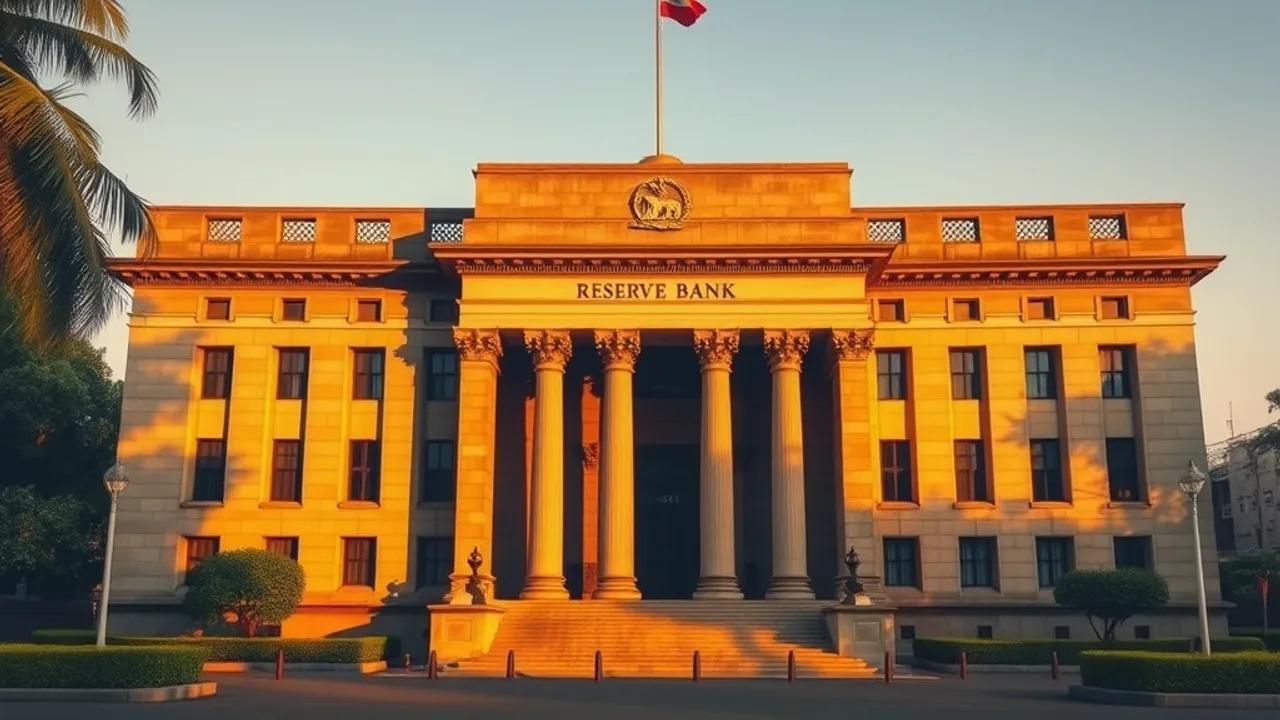
According to a report by KLSE Screener published on November 10, 2026, India's shorter-term government bonds are expected to resume underperforming relative to longer-term debt. The shift is attributed to tightening monetary conditions and reduced liquidity in the domestic banking system, which continue to weigh on demand for rate-sensitive short-term notes.
Financial institutions IDFC First Bank Ltd and Deutsche Bank project that the Reserve Bank of India (RBI) could raise benchmark interest rates by up to 75 basis points in the coming months. This anticipated policy action follows a 25-basis-point rate increase implemented by the central bank on October 7, 2026.
In addition to potential rate hikes, the RBI has been actively absorbing excess liquidity from the banking sector. Excess cash levels, which reached a record peak in early September 2026, have since steadily declined.
These liquidity operations and monetary policy expectations have notably impacted bond market yields. Earlier in November 2026, the yield spread between shorter- and longer-end Indian debt narrowed to its tightest level since May 2026. However, the gap widened again recently following a decline in global crude oil prices.
