
Driverless Testing and Regulatory Milestones
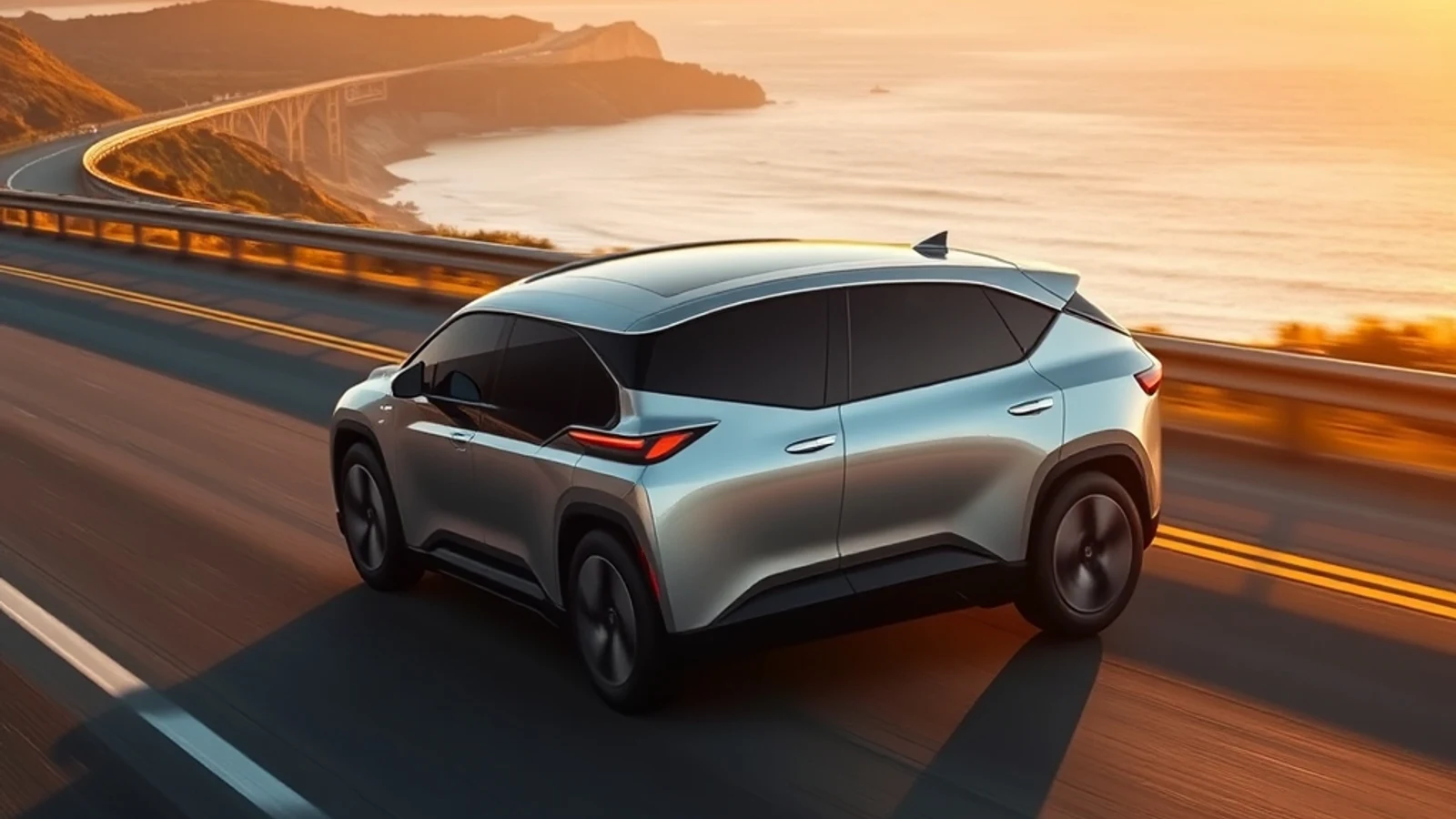
A three-way partnership involving Lucid, Nuro, and Uber has reached a significant milestone in autonomous vehicle development. As of late 2026, the companies have initiated fully driverless public-road testing using Lucid Gravity SUVs in the San Francisco Bay Area. This advancement moves the project beyond the previous requirement of having a safety driver physically present behind the wheel. The testing phase currently covers four specific municipalities in the region to evaluate the software in real-world traffic conditions. Source
The cities designated for the initial driverless testing phase include Palo Alto, Mountain View, Los Altos, and Sunnyvale. Authorization for this testing was granted by the California Department of Motor Vehicles. While previous stages of development required a human operator to intervene at any moment, the current operational status allows the vehicles to navigate these public streets without a human backup driver, marking a pivotal shift for the collaborative effort between the three technology firms. Source
To support this multi-phased project, Lucid has provided more than 100 upgraded Gravity SUV units specifically configured for the autonomous testing fleet. The technology integrated into these vehicles is provided by Nuro, which has spent nearly a year conducting supervised runs on both public roads and closed-course tracks. These closed-track sessions in Las Vegas were specifically designed to simulate high-risk driving scenarios to ensure the software remains resilient before encountering unpredictable public traffic environments. Source
Regulatory documentation reveals that the California Department of Motor Vehicles approved Nuro to conduct these driverless tests within Santa Clara and San Mateo counties. The current permits allow for operations at various times of the day and night. According to the state's updated driverless-testing registry, these vehicles are authorized to operate at speeds reaching up to 45 mph. Additionally, Nuro holds a California Public Utilities Commission permit allowing for passenger transportation, provided a safety driver is present. Source
Looking toward the future, the partnership is preparing for a formal commercial launch. Uber has confirmed plans to purchase approximately 35,000 Lucid vehicles over the coming years to expand this robotaxi fleet. While the project originally aimed for a late-2026 commercial debut, current projections now target the first quarter of 2027. This service is expected to be accessible to customers exclusively through the Uber application, beginning in the Bay Area before potentially expanding to other markets. Source
The timeline for the service rollout in additional regions remains fluid and dependent on the success of the current driverless testing phase. Following the initial San Francisco Bay Area commercial release, the partnership plans to bring the service to Houston, Texas, later in 2027. Despite these goals, both the companies and regulators have not yet established a specific, public-facing date for when these robotaxis will be available for paid, driverless trips for the general public. Source
Project Development and Rollout Schedule
The following table outlines key progress indicators and operational timelines for the Lucid-Nuro-Uber partnership based on the provided evidence. Source
| Milestone | Status/Date | Details |
|---|---|---|
| Supervised Testing | ~1 year (Prior) | Completed in Bay Area, Houston, and Las Vegas |
| Driverless Testing | Started Nov 2026 | Palo Alto, Mountain View, Los Altos, Sunnyvale |
| Commercial Launch | Q1 2027 (Target) | Bay Area availability via Uber app |
| Houston Launch | Late 2027 (Target) | Follows Bay Area rollout |
The broader autonomous industry is witnessing similar competitive moves. In Southern California, companies such as Zoox are also launching purpose-built autonomous vehicles. Zoox has begun operating in Santa Monica, initially serving company employees and family members before moving to a public waitlist. While different companies employ varying testing strategies, these efforts underscore the industry-wide focus on moving from human-supervised testing to fully driverless commercial transport, with many firms using a staged, limited-access rollout. Source
Lucid’s primary role in this arrangement remains the provision of hardware. The Gravity SUV has been selected as the platform for the robotaxi fleet due to its design and capacity. By securing authorization to remove the safety driver from public-road testing, the partnership has closed a significant development gap with current industry leaders. Success remains subject to navigating technical, regulatory, and public safety obstacles throughout the remainder of the testing period before the 2027 commercial service begins. Source
While the progress to date is notable, the companies acknowledge that scaling these autonomous fleets involves significant challenges. Any future testing setbacks or changes in regulatory environment could impact the 2027 launch window. The project’s eventual success in the Bay Area will depend heavily on the data gathered during this current driverless phase, as well as the ability of the vehicles to prove they can operate safely in complex, high-traffic urban environments without any human intervention at the wheel. Source
Ultimately, the shift to driverless testing represents a major turning point for the collaboration. With over 100 vehicles already delivered and a massive commitment from Uber for 35,000 future units, the partnership is positioning itself to be a long-term player in the ride-hailing sector. Market participants are observing the development closely as these firms navigate the final requirements before transitioning from controlled testing to public, revenue-generating autonomous transportation services for Uber users. Source

