
Kennedy Space Center hosted the inaugural MAX POWER aerospace festival on November 7 and November 8, 2026, bringing together aerial flight demonstrations, technology showcases, and discussions on future lunar exploration, according to a report by Vero News.
The two-day event featured a skydiving arrival by NASA Administrator Jared Isaacman, flight demonstrations by the U.S. Air Force Thunderbirds, and interactive simulators for the Orion capsule and moon rover. The festival combined three main components: the Air Dot Show, the UP.Summit focused on aviation transportation innovations, and public access to the Kennedy Space Center visitor complex.
Several key spaceflight updates were shared during the festival:
- Artemis III Crew: NASA Astronauts Frank Rubio and Randy Bresnik, alongside European Space Agency Astronaut Luca Parmitano, appeared at the festival. NASA Astronaut Bob "Farmer" Hines attended as the backup crew member in place of Andre Douglas. The crew is scheduled to launch to low Earth orbit next year to perform docking and system checkout tests with commercial lunar landers.
- Artemis Mission Roadmap: Following the April 2026 Artemis II lunar fly-by mission, NASA is planning the Artemis IV mission in 2028 to return humans to the lunar surface and build towards a permanent moon base.
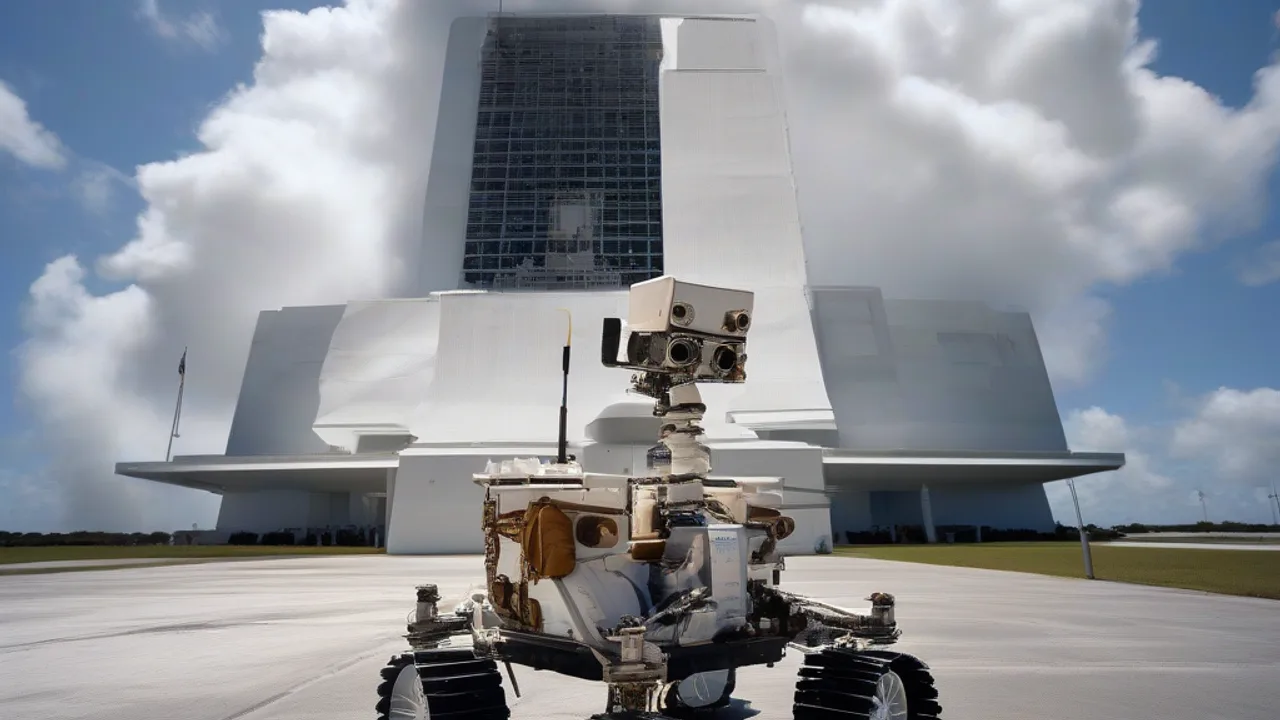
- Lunar Hardware: Robotics design engineer Brandon Sidoti presented a lunar all-terrain vehicle developed at NASA's Johnson Space Center in Houston. The vehicle is designed to transport one astronaut along with scientific payloads and equipment.
- Future Festival Expansion: Event leadership announced that the next MAX POWER showcase will take place in March 2028, featuring an expanded exposition center.
NASA also detailed two workforce initiatives during the weekend:
- Astronaut Recruitment: NASA opened applications for its next astronaut candidate class on November 7, 2026, with a submission deadline of December 3, 2026, at usajobs.gov. Requirements include U.S. citizenship, a master's degree in a STEM discipline, two years of related professional experience, and passing a physical examination.
- U.S. Space Academy: A new pipeline program for students aged 17 to 22 will begin taking applications in 2027. The first class of approximately 300 students is scheduled to start in summer 2028.
