
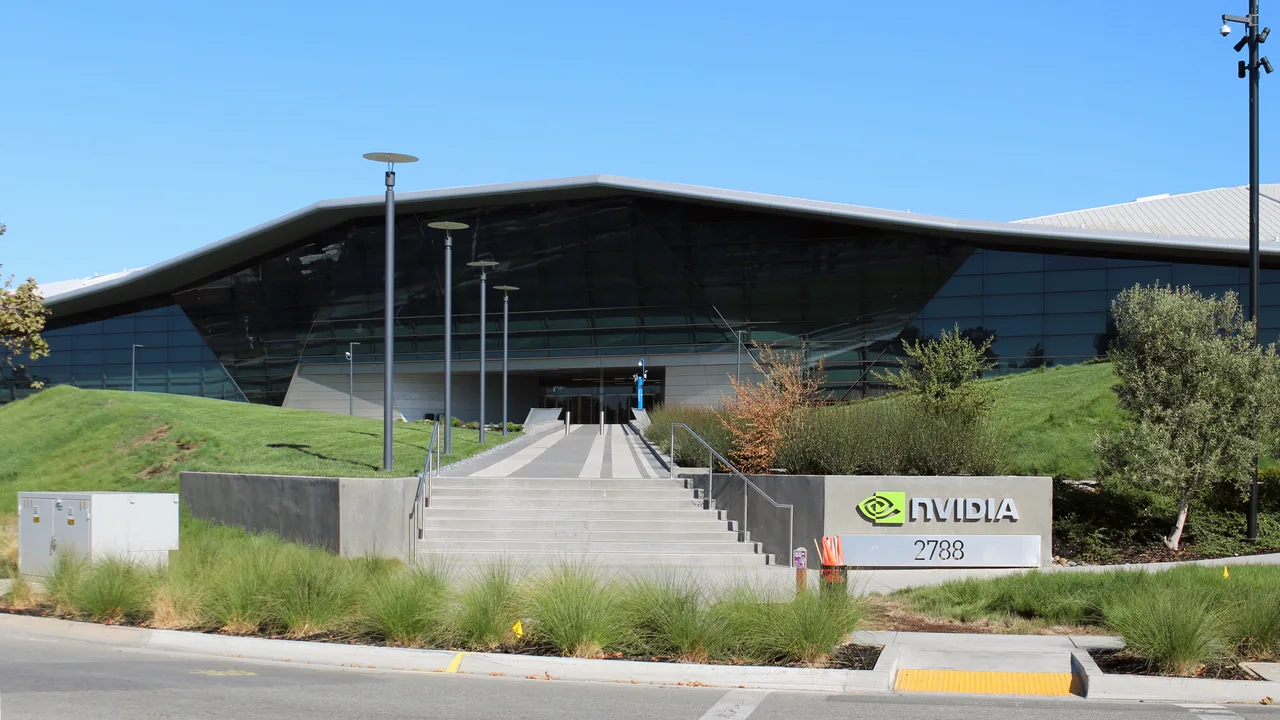
Nvidia Corporation (NASDAQ: NVDA) faced dual pressures on November 11, 2026, following media reports detailing potential executive leadership changes and a vertical integration strategy outlined by top customer OpenAI, according to 24/7 Wall St..
The Wall Street Journal reported at 5:27 p.m. ET on November 11, 2026, that Nvidia's board was preparing to oust Chief Executive Officer Jensen Huang, with potential meetings planned as early as Wednesday evening. The report followed a New York Times article detailing an alleged relationship between Huang and Nvidia executive Kimberly Powell. As of Wednesday evening, Nvidia had not publicly commented on the reports. In after-hours trading at 7:15 p.m. ET on November 11, Nvidia shares dropped 7.9% to $160.03, representing a 14.3% decline from the November 6 close and a 33.1% fall from its October 6 peak.
Simultaneously, details surfaced regarding OpenAI's long-term hardware strategy. According to October 31, 2026, Q&A materials obtained by South Korea's Financial News and published on November 11, OpenAI CEO Sam Altman presented a vertical integration plan to approximately 50 Samsung company presidents. Altman stated that OpenAI aims to build infrastructure at lower costs than competitors, allowing the company to offer high volumes of AI at thinner margins.
During the meeting, Altman asserted that market demand for AI has experienced "double-counting" and stated that "only two companies, OpenAI and Anthropic, are actually driving major demand growth." He added that while long-term AI demand remains strong, the immediate constraints over the next few years involve chip supply chains and data center infrastructure.
OpenAI's recent procurement deals highlight its strategy to diversify chip sourcing. In 2025, OpenAI signed a letter of intent with Nvidia for 10 gigawatts of systems, accompanied by a planned Nvidia investment of up to $100 billion. However, OpenAI subsequently agreed to purchase 6 gigawatts of AMD chips and entered a 10-gigawatt agreement with Broadcom to develop custom accelerators designed in-house, with deployment planned to begin in the second half of 2026.
