
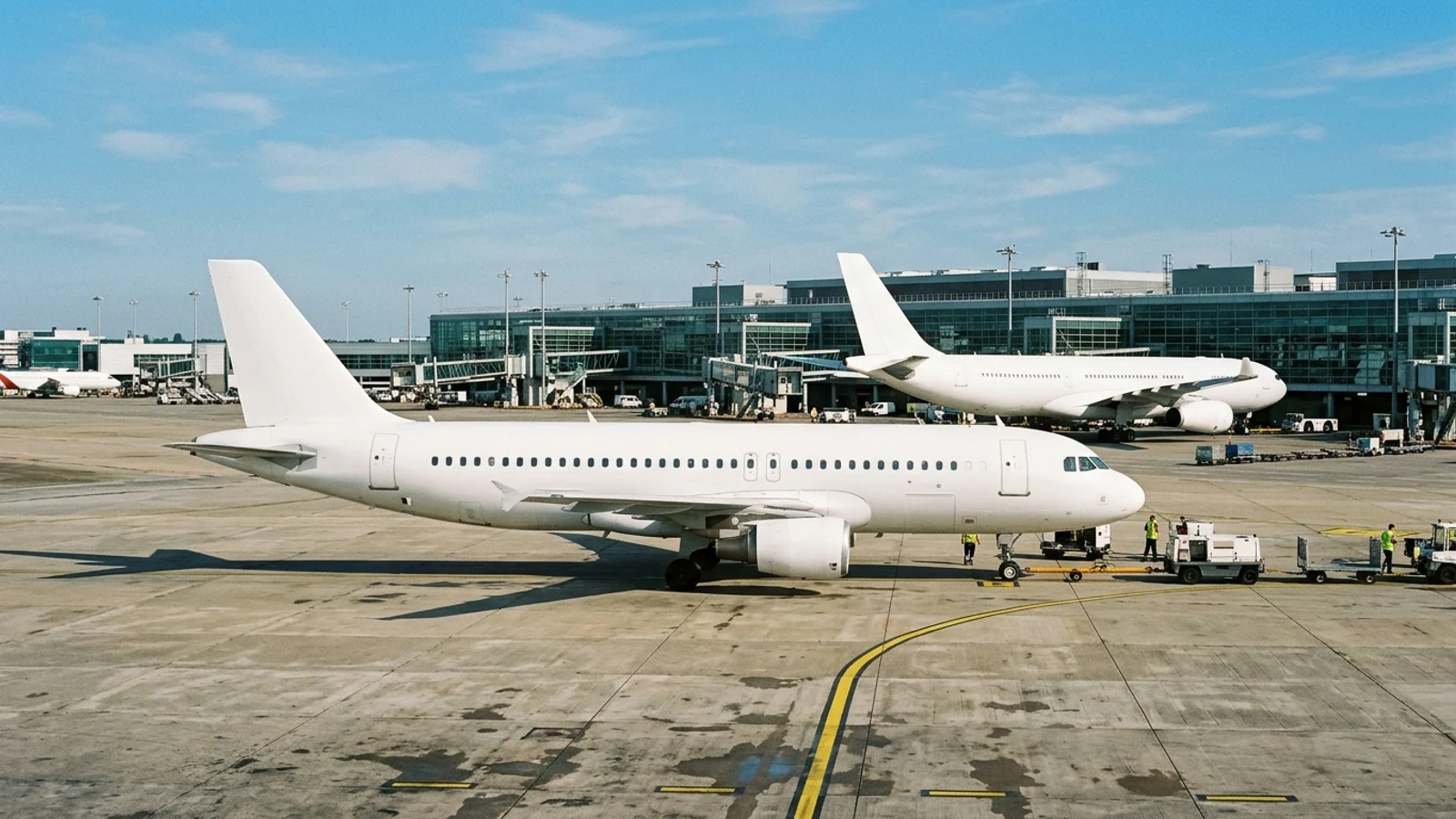
American Airlines maintains a complex fleet that includes a subfleet of 48 aging Airbus A320-200 aircraft, which currently average approximately 25.7 years in age. While the airline promotes its fleet as among the youngest in North America, these specific single-aisle jets remain active daily, primarily serving domestic routes out of major hubs like Phoenix, Charlotte, and Dallas-Fort Worth. These aircraft were acquired through historical mergers with America West Airlines and US Airways, resulting in a fleet that utilizes different engine manufacturers. Source
The management of these 48 A320-200s presents operational challenges, as the aircraft require separate maintenance protocols and unique spare parts due to engine differences between the former America West and US Airways units. American Airlines has opted to retain these jets to maintain schedule integrity during periods of aircraft delivery delays. Although the airline originally intended to retire these narrowbodies earlier, they continue to perform multiple short-haul flights each day, which contributes to faster airframe aging compared to long-haul operations. Source
To address cabin age, American Airlines has implemented interior retrofits on these A320-200 aircraft. Recent updates include the installation of expanded overhead storage, in-seat power, and modified premium seating. Despite these upgrades, the aircraft lack seatback entertainment systems and feature denser seating configurations introduced under previous fleet strategies. The carrier currently maintains these aircraft while awaiting the arrival of new Boeing 737 MAX and Airbus A321XLR deliveries to modernize its single-aisle fleet. Source
In parallel with its narrowbody maintenance, American Airlines has officially reached the milestone of 500 Airbus aircraft in its total fleet. This achievement reflects a long-standing relationship with the European manufacturer that began in 1988 with the introduction of the A300-600. Today, the A320 family represents nearly half of the airline’s mainline operations. The carrier has recently integrated newer models, including the A321neo and the long-range A321XLR, to support its network expansion. Source
The airline's 2026-2027 network strategy focuses on deploying widebody aircraft, specifically the Boeing 787-9 Dreamliner and the Boeing 777-200ER, on high-profile international routes. These equipment choices are designed to enhance passenger experience through quieter cabins and advanced filtration systems. Several new and resumed services are scheduled to begin between late 2026 and the second quarter of 2027, connecting US hubs with business and leisure destinations across Asia, Australia, Europe, and the Middle East. Source
A notable addition to the network is the nonstop service from Dallas-Fort Worth to Brisbane, Australia, which launches in December 2026. At 8,300 miles, this seasonal route serves as the longest flight in the American Airlines network. The airline is utilizing the Boeing 787-9 for this ultra-long-haul rotation, which features updated Flagship Suite products on selected aircraft. This service is intended to capitalize on peak summer travel demand in Queensland. Source
International connectivity remains a priority for the upcoming season, with the return of daily service between New York JFK and Tel Aviv scheduled for March 27, 2027. This route will be operated by the Boeing 777-200ER, following a partnership with local carrier Israir. Additionally, the airline is resuming daily service between Chicago O'Hare and Tokyo Narita in March 2027 using the Boeing 787-9. These moves are part of a broader effort to strengthen Chicago and New York as key international gateways. Source
Furthermore, American Airlines is increasing frequency on the competitive New York to London Heathrow corridor, with a fourth daily flight set for reintroduction on March 28, 2027. This flight will be served by the Boeing 787-9 to ensure consistent premium availability alongside existing 777-300ER operations. The airline is also expanding its presence in Europe with new daily service to Barcelona departing from Charlotte, which is scheduled to commence in spring 2027 using the 777-200ER. Source
Operational incidents occasionally disrupt these schedules, as demonstrated on November 25, 2026. An American Airlines flight originating from San Diego and destined for Chicago was diverted to Phoenix after a passenger allegedly attempted to open cabin doors midair. The flight, designated as 1494, landed safely at Phoenix Sky Harbor International Airport around 1 a.m. local time. Law enforcement officials met the aircraft upon arrival to remove the individual involved, who was later transported to a local hospital. Source
The incident occurred near the Arizona-California border and resulted in no injuries to passengers or crew members. According to reports from individuals on board, the situation involved a disturbance by a passenger who refused crew instructions. The FAA is currently investigating the circumstances surrounding the diversion. This event underscores the challenges airlines face in maintaining security and passenger safety during overnight transcontinental flights. Source
Scheduled Widebody Route Updates
The following table summarizes key upcoming international widebody route updates based on airline deployment plans for the 2026-2027 period: Source
| Route | Start Date | Aircraft Type |
|---|---|---|
| Dallas-Fort Worth to Brisbane | December 2026 | Boeing 787-9 |
| New York JFK to Tel Aviv | March 27, 2027 | Boeing 777-200ER |
| Chicago to Tokyo Narita | March 2027 | Boeing 787-9 |
| New York JFK to London | March 28, 2027 | Boeing 787-9 |
| Charlotte to Barcelona | Spring 2027 | Boeing 777-200ER |

