
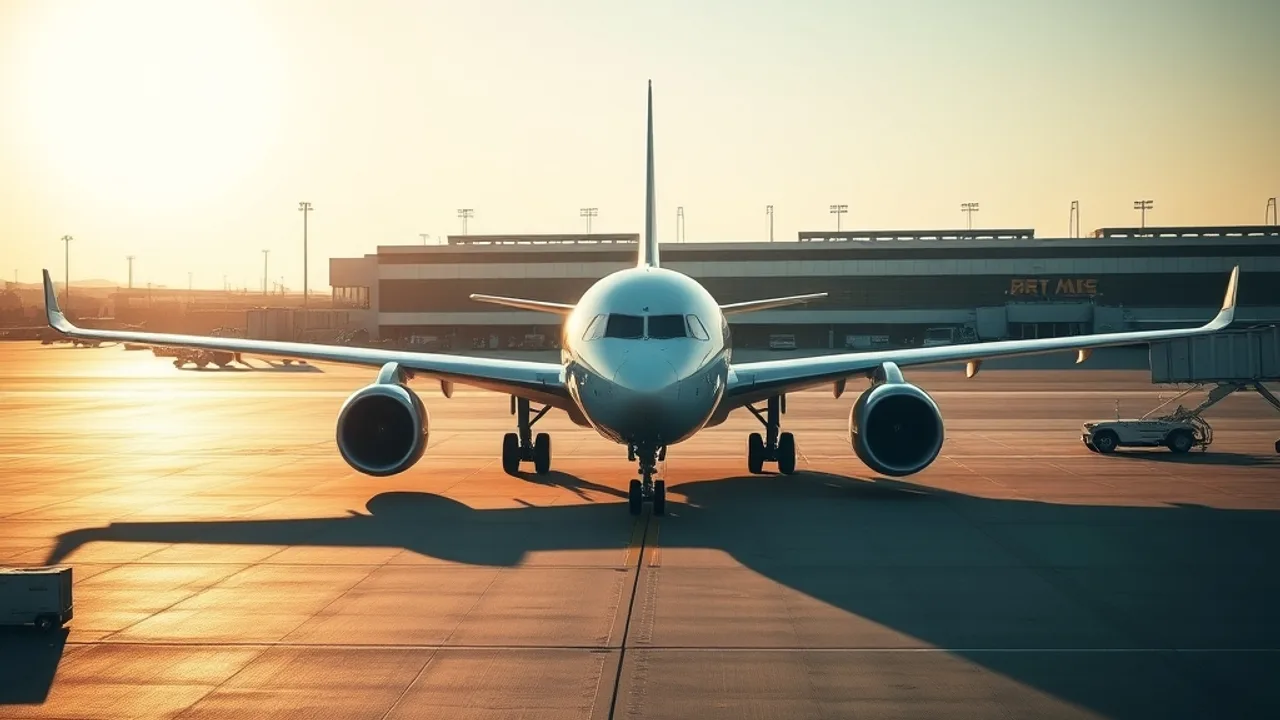
On November 26, 2026, low-cost long-haul carrier Norse Atlantic Airways abruptly grounded its entire fleet of Boeing 787 Dreamliners, leading to the cancellation of all scheduled flights. The airline is currently navigating a severe liquidity crisis, with executives scrambling to secure emergency financing to avoid bankruptcy. As of November 27, employees are awaiting updates regarding the potential for a last-ditch lifeline versus a formal insolvency filing, with outstanding wage payments remaining a primary point of contention.
Sara Nelson, President of the Association of Flight Attendants (AFA), attributed the carrier's collapse to the economic repercussions of conflicts in the Middle East. According to Nelson, the resulting fuel price shocks have placed extreme pressure on airline operational margins. While some carriers mitigated these costs through fuel hedging strategies, Nelson warned that as these hedges expire, the broader aviation industry faces significant insolvency risks.
Impact on Airline Financial Stability
| Factor | Impact on Carriers |
|---|---|
| Fuel Hedging Expiration | Increased exposure to current market volatility |
| Regional Conflict | Escalated operational costs via fuel surcharges |
| Wetlease Strategy | Shift in revenue models for smaller carriers |
Norse Atlantic, which established a unionized crew base in New York City, had previously transitioned its strategy toward wetleasing aircraft to other airlines. Despite this shift, the carrier failed to maintain solvency. This collapse follows similar financial distress in the sector, including the recent failure of Spanish operator Plus Ultra and ongoing survival efforts at Air Baltic. Ryanair CEO Michael O'Leary has similarly projected a wave of bankruptcies among European carriers throughout the winter season. As reported by PYOK, the labor force continues to face the immediate consequences of these market pressures.
