
Aircraft Component Valuation and Recovery
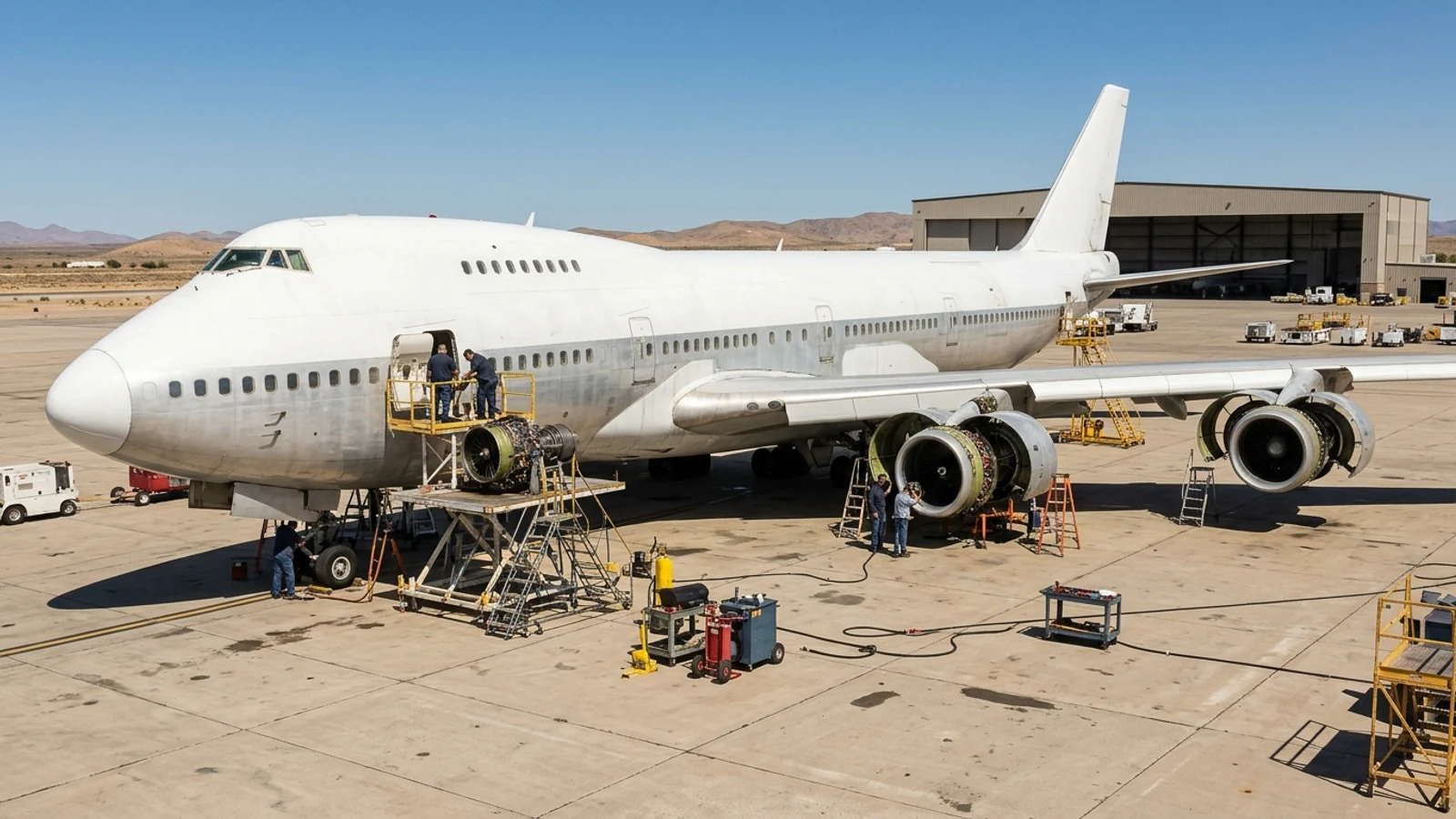
The Boeing 747, while celebrated as a monumental achievement in aviation history, eventually reaches the conclusion of its operational lifecycle. Upon retirement from service, these iconic jumbo jets are not merely discarded; they possess significant residual value contained within their individual components. According to Simple Flying Aviation Discovery, the total worth of recoverable parts from a single retired Boeing 747 is estimated to range between $5 million and $20 million, depending on the specific aircraft's age and condition. Source
The valuation of a retired jumbo jet differs substantially from an aircraft intended for continued commercial flight. Once removed from the active fleet, the financial potential of the airframe shifts to the ability of dismantlers to salvage, inspect, certify, and sell components to maintenance organizations or other operators. Industry estimates suggest an older 747 might fetch approximately $1.5 million before the dismantling process commences, though this figure fluctuates significantly based on market demand and component health. Source
Dismantlers must weigh the theoretical value of all parts against the operational costs of recovery. This financial calculation includes expenses related to labor, secure storage, transportation, and the complex certification process required to ensure recovered parts meet airworthiness standards. Because each retired 747 features a unique history and configuration, no two aircraft yield identical returns, and the final profit margin is strictly dependent on efficient management of these overheads. Source
Engines represent the primary source of revenue during the dismantling process, typically accounting for a substantial portion of the total value. A 747's four-engine configuration provides more opportunities for recovery compared to smaller commercial airliners. The specific model, total operating hours remaining before the next required overhaul, and overall condition dictate the resale appeal of these powerplants, with engine manufacturers and maintenance providers serving as the primary secondary market buyers. Source
Beyond the engines, the landing gear assembly stands out as another high-value component set, potentially exceeding $1 million in resale value. Given the sophisticated arrangement of hydraulic equipment, structural assemblies, brakes, and tires required to support the aircraft's weight, serviceable used gear is highly sought after by operators looking to mitigate maintenance costs. However, these parts also require rigorous inspection of their remaining service life, which directly influences their market price. Source
The remaining structural elements, including avionics systems like flight management computers and navigation equipment, also contribute to the recovery value. While individual components may not command high prices, their collective value is meaningful. Conversely, older electronics may see their value diminish if the technology becomes obsolete or if replacement parts are impossible to source. Structural metal, primarily aluminum, is often recycled, though it contributes a relatively minor share, roughly $55,000, to total recovery revenue. Source
Charter Market Economics and Operating Costs
While the dismantling market focuses on legacy aircraft, the active charter market for the Boeing 747 maintains a specific pricing structure for the remaining fleet. Data from Avi-Go indicates that for the 2025–2026 period, chartering a passenger-configured 747 on the open market typically ranges from $25,000 to $40,000 per hour. The pricing varies by variant, with the 747-8 commanding higher rates than the older 747-400 due to newer technology and equipment configurations. Source
For freight operators, the 747-400F remains a specialized asset for tasks involving nose-loading or high-volume capacity. Rates for these freighters range from $30,000 to $50,000 per hour, reflecting an 8–12% increase compared to 2024. As operators retire these frames in favor of the Boeing 777F, the scarcity of 747-400Fs has granted them significant pricing power in niche missions where there is no direct substitute for their specific volumetric capacity or loading capabilities. Source
Total charter costs for passengers include more than just hourly flight time. A one-way charter between New York and London generally costs between $220,000 and $400,000. This estimate accounts for seven to nine billable hours, taxes, landing fees, and positioning charges. Positioning or ferry flights can add between $25,000 and $75,000 per flight, depending on the aircraft's base, making the choice of departure location a critical factor for charter clients seeking to control overall expenses. Source

