
Operational Disruptions and Equipment Status
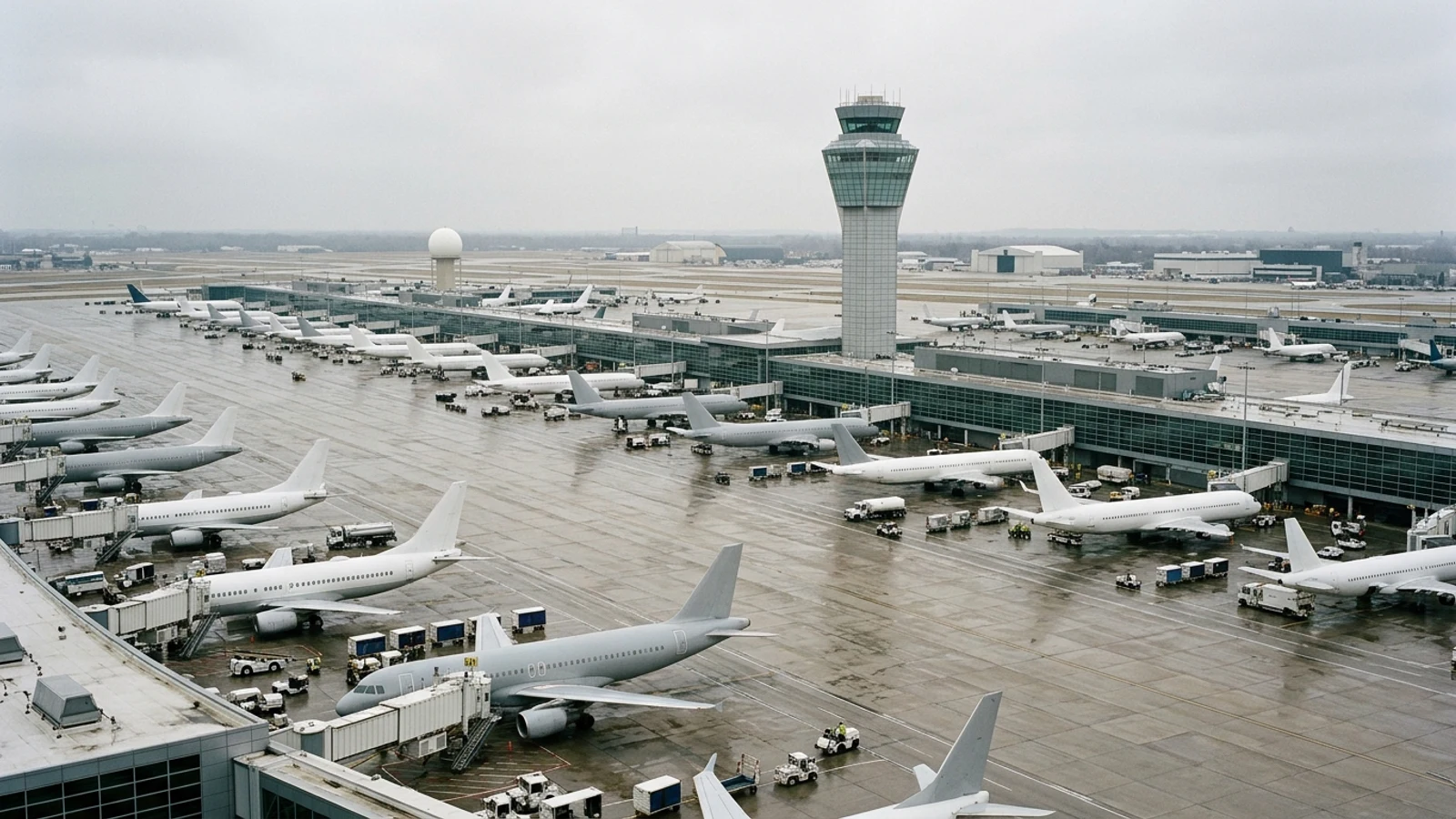
Chicago O'Hare International Airport faced significant operational disruption on November 24, 2026, as an outage of the airport's ground surveillance radar system halted incoming flights. The Federal Aviation Administration implemented initial arrival restrictions and a temporary ground stop to manage the situation while technical teams worked to address the hardware failure. According to Travel And Tour World Aviation Discovery, this event occurred on what was projected to be the busiest travel day of the holiday period, adding strain to the national network. Source
The equipment involved in the incident is the Airport Surface Detection Equipment, Model X, or ASDE-X. This system is essential for air traffic controllers to monitor aircraft and vehicle movements on runways and taxiways. Unlike weather-specific radar, this technology is designed to enhance runway safety through visual and audible alerts when potential conflicts arise. The outage forced controllers to modify traffic management procedures, resulting in significant delays for flights bound for the Chicago hub. Source
Data from FlightAware indicates that 373 flights were delayed on November 24, representing approximately 13% of total operations at the airport. The average delay duration reached 47 minutes, with some aircraft forced to hold in the air for up to 30 minutes while awaiting landing instructions. These disruptions are particularly consequential due to Chicago O'Hare's status as a major connecting hub for American Airlines and United Airlines, affecting both domestic and international travelers. Source
The FAA shifted its strategy from a total ground stop to a ground-delay program, which allows airlines to manage flight arrival demand through adjusted departure times. While this shift permitted flights to eventually proceed toward Chicago, the logistical impact on aircraft rotations and crew schedules remained. The agency warned that further restrictions could be implemented if congestion on the airfield escalated beyond manageable levels during the remaining hours of the technical outage. Source
Staffing Constraints and Network Reliability
This incident follows a separate disruption at the same airport on Monday, November 23. During that event, the FAA halted flights for approximately 90 minutes due to staffing constraints at the Chicago Terminal Radar Approach Control. The facility, which is responsible for managing arrivals and departures in the region, reportedly faces significant personnel challenges. Industry data suggests the center had 83 fully certified controllers compared to a staffing target of 100, according to November figures. Source
The broader US aviation network has experienced several technical instabilities throughout November 2026. On November 13, a nationwide failure of the FAA Telecommunications Infrastructure network resulted in a ground stop lasting nearly five hours. This earlier event, which led to more than 18,000 cancellations, was linked by investigators to a router failure at an FAA site in Arkansas. Officials have since directed contractors to pause specific upgrades while investigations into the cascading failures continue. Source
The current holiday travel period is estimated to be the busiest in 16 years. According to official forecasts, nearly 418,000 flights are expected nationwide between November 23 and December 1. Chicago O'Hare remains a critical node in this network; the airport handled approximately 860,000 takeoffs and landings in 2025, ranking first globally for aircraft movements. Consequently, even temporary capacity reductions, such as those caused by equipment outages, have outsized effects on passenger connectivity. Source
Operational recovery after such events takes time. The grounding or delaying of flights forces airlines to adjust schedules across their entire network to account for displaced aircraft and crews. For passengers, the implications involve potentially missed connections and altered arrival times. Air carriers have implemented various measures to address the surge in traffic, but limited buffer capacity within the ATC and airport infrastructure means that technical failures or staffing issues often lead to immediate delays. Source
Regarding recent performance, the table below details the timing of the Chicago O'Hare ground stops reported during the Thanksgiving week period. Note that these incidents were triggered by distinct operational challenges, including both equipment hardware failures and human resource shortages within the air traffic management system. Source
| Event Date | Primary Reason | Reported Impact |
|---|---|---|
| Nov 23, 2026 | Staffing constraints (TRACON) | 90-minute ground stop |
| Nov 24, 2026 | Radar (ASDE-X) failure | 373 flights delayed |
The FAA's management of the Chicago TRACON facility remains a subject of ongoing concern. Beyond staffing, the agency recently introduced new safety requirements for 'line up and wait' operations. These protocols necessitate that a supervisor oversees runway entry and takeoff clearances without performing additional duties. Reports from staff indicate that supervisors frequently handle multiple responsibilities, which critics argue is an unsustainable practice during peak operational hours and in regions experiencing high air traffic volume. Source
As the Thanksgiving travel period continues through early December, passengers are advised to maintain awareness of their specific flight itineraries. The lifting of a formal ground stop does not signify an immediate return to normal operations, as the ripple effects of delays often persist for several days. Travelers should utilize official airline applications to monitor for real-time status updates and, where possible, allow extra time for connecting flights to account for the ongoing volatility in the air transport system. Source

