
Expanded Inspection Requirements
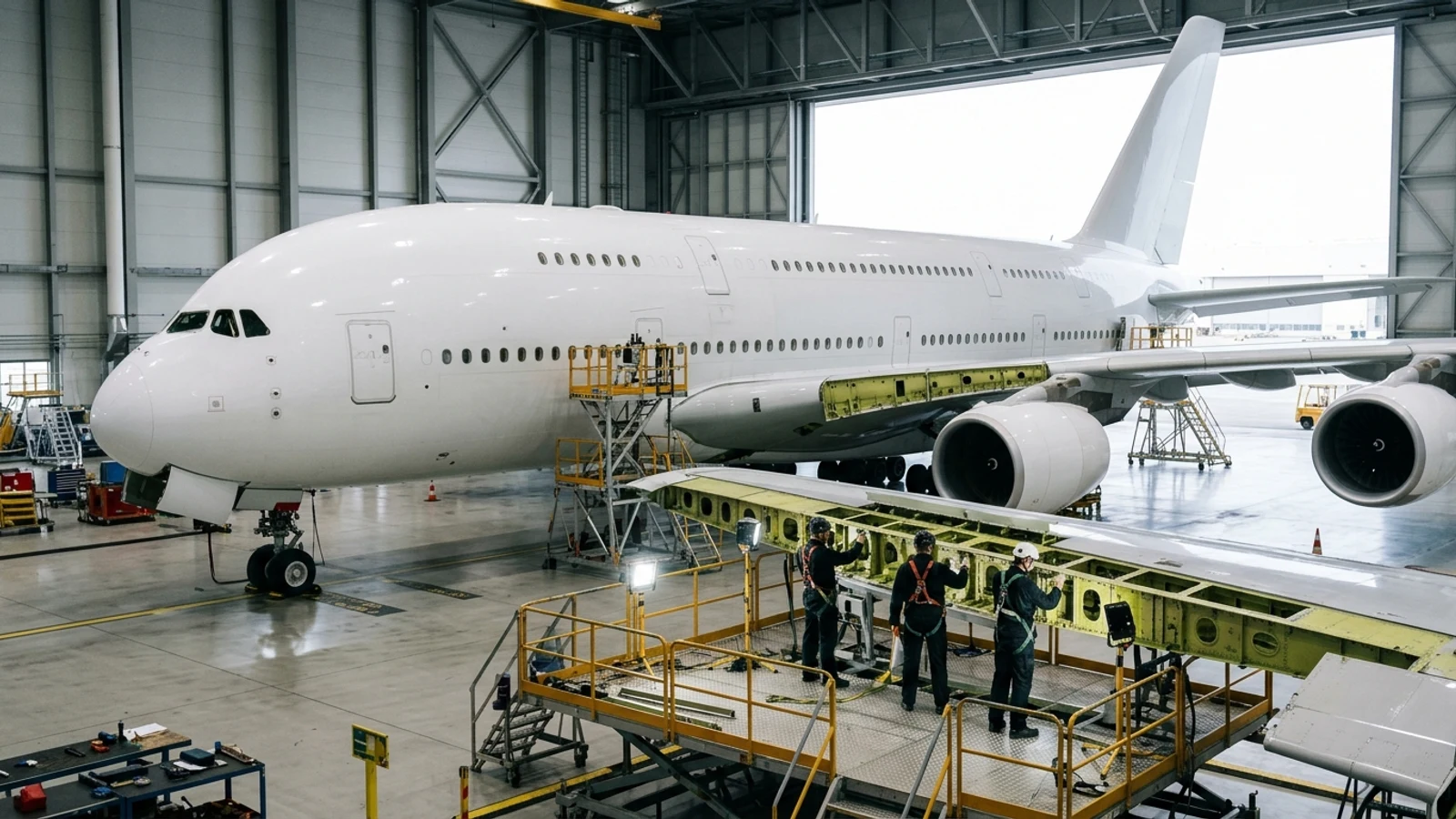
The European Union Aviation Safety Agency has mandated urgent structural inspections for a expanded group of 24 Airbus A380 aircraft. This latest airworthiness directive, which became effective on November 18, 2026, requires operators to check for potential cracks in the wing mid-spar assemblies. The new regulation supersedes a previous emergency instruction issued in June 2026, which had originally targeted 16 aircraft. Regulators have identified these components as essential to the structural integrity of the wing. Source
According to reports from AeroTime Aviation Discovery, the directive targets eight additional airframes identified by their Manufacturers Serial Numbers (MSNs), specifically 57, 77, 103, 191, 226, 229, 240, and 241. Seven of these newly listed aircraft are currently operated by Emirates, while one is operated by Etihad Airways. The agency determined that these specific aircraft share similar flight cycle thresholds and structural configurations that make them susceptible to the same potential safety concerns identified in earlier inspections of the A380 fleet. Source
The core technical concern stems from hydrogen embrittlement, a process that can accelerate crack growth in metal components when they are subjected to stress after long periods of inactivity. Many of these aircraft were parked or stored for extended durations during the global pandemic, a factor that industry analysts have linked to the development of these structural issues. Cracking in the mid-spar, if left undetected, could potentially weaken the wing's primary load-bearing structure, which is critical for safe flight operations. Source
The mandate carries strict compliance timelines to ensure passenger safety and aircraft airworthiness. For the eight newly identified aircraft, operators are required to complete the necessary inspections no later than January 31, 2027, following the technical guidance provided in Airbus Alert Operators Transmission (AOT) A57R030-26. These procedures typically involve non-destructive testing methods such as ultrasonic or eddy current inspection to identify any degradation in the material before it compromises the structural life of the aircraft wing. Source
Operational and Passenger Impact
Operators must coordinate closely with maintenance providers to manage these mandatory hangar visits without causing excessive disruptions to their scheduled service networks. For aircraft that have been stored for more than 12 months, the directive now imposes an additional requirement: a wing mid-spar inspection must be performed before the aircraft is permitted to return to active commercial service. Once an inspection is cleared, operators are tasked with subsequent checks every 36 to 42 months, depending on the timing of the previous procedure. Source
While airlines such as Emirates maintain a significant portion of the total active global A380 fleet, carriers including Qantas, British Airways, and others also continue to operate the aircraft type. The Aviation Hub highlights that the directive is a routine part of safety management, designed to identify and rectify potential risks before they manifest in flight. For passengers, the most significant practical impact of these mandatory maintenance windows is the occasional aircraft swap or minor schedule adjustment as airlines prioritize safety compliance. Source
To provide clarity on the scope of the current regulatory action, the following breakdown illustrates the distribution of affected aircraft as identified by industry data sources: Source
| Airline Operator | Number of Affected Aircraft |
|---|---|
| Emirates | 22 |
| Etihad Airways | 1 |
| Qantas | 1 |
| Total | 24 |
Should an inspection detect any irregularity, the operator is required to contact Airbus immediately for approved repair schemes. Aircraft must not be returned to passenger service until all maintenance requirements are successfully completed and verified. Following the inspection, airlines must report their findings to EASA and the manufacturer within 30 days. This continuous feedback loop allows regulators to monitor the prevalence of the defect and potentially introduce further requirements as new data from the global fleet is compiled and analyzed. Source
EASA has emphasized that this November directive serves as an interim measure, and further actions may be necessary. The regulator is currently soliciting feedback from stakeholders ahead of a December 9, 2026, consultation deadline. This process highlights the ongoing maintenance challenges inherent in operating large, long-range aircraft as they reach higher cumulative flight cycles. By enforcing these checks, the agency aims to ensure the long-term operational viability of the A380 while maintaining stringent safety standards across its jurisdiction and worldwide. Source
For travelers concerned about their upcoming flight, industry experts suggest that the presence of these airworthiness directives is proof that the aerospace safety ecosystem is functioning correctly. Carriers have clear procedures to swap equipment, and because the issues are identified and addressed proactively, there is no inherent reason to avoid the A380 model. Travelers affected by flight cancellations resulting from these maintenance requirements remain entitled to standard rebooking or compensation options under their respective airline’s terms and conditions. Source

