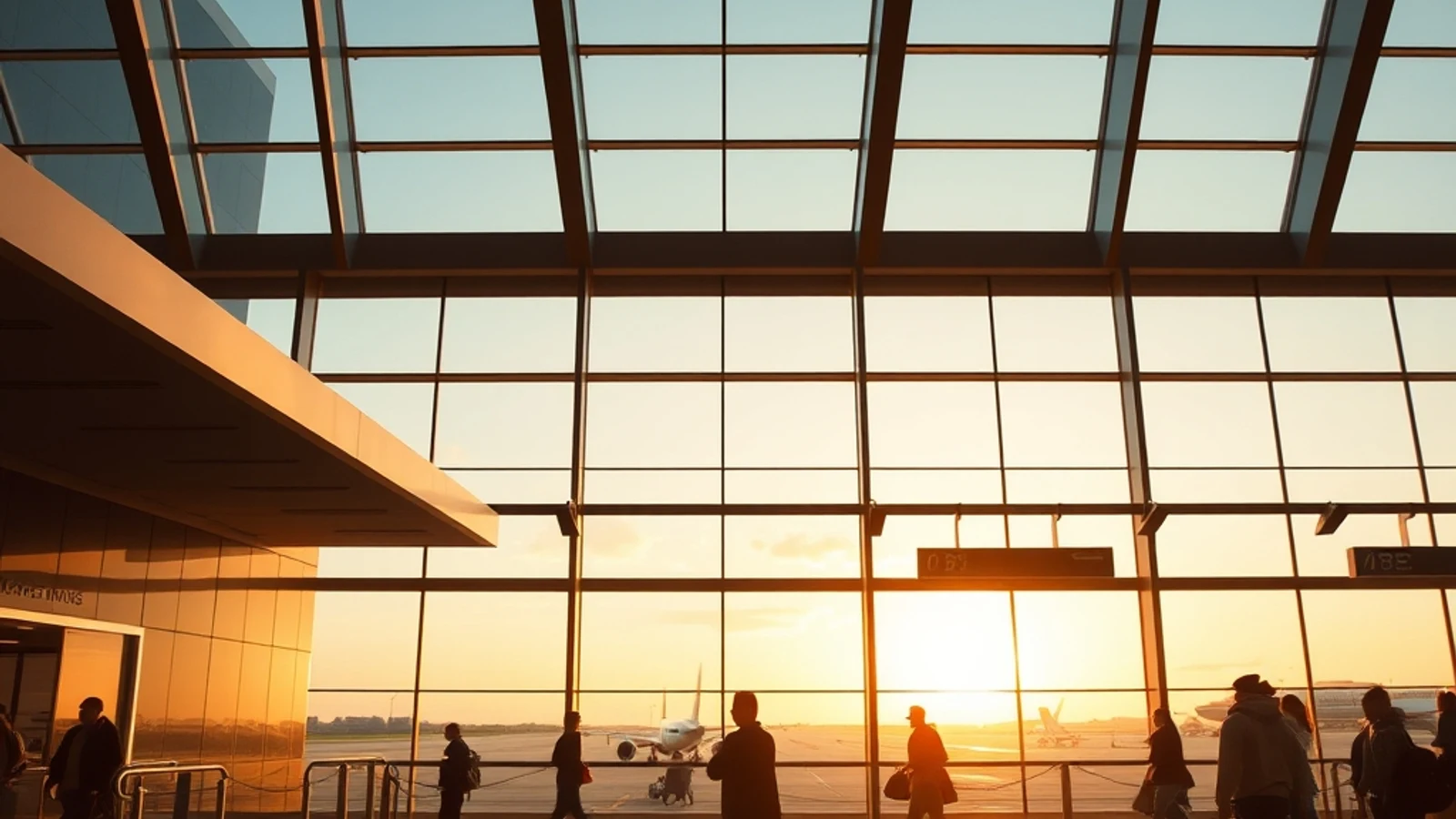
Frankfurt Airport has significantly altered its passenger operations following the completion of the transition to Terminal 3. As part of this major structural change, passenger operations at Terminal 2 have been suspended to accommodate extensive renovation and modernisation works. All airlines that previously operated from Terminal 2 have now moved their services to Terminal 3. Consequently, passengers traveling through Frankfurt are advised to confirm their specific departure terminal before arriving at the airport, as all flights now operate exclusively from Terminal 1 and Terminal 3. Source
To facilitate movement between these facilities, the airport has activated its new Sky Line people mover, which now connects Terminal 1 and Terminal 3. This transit system underwent a series of technical tests and trial operations to ensure functionality ahead of its integration into regular service. These changes are designed to streamline the transfer process for passengers connecting between different segments of the airport, particularly as the hub continues to manage high volumes of international traffic throughout the year. Source
In addition to physical infrastructure adjustments, Frankfurt Airport and Lufthansa have inaugurated a redesigned facility known as the Gate of the Future at Terminal 1, Gate A16. This space serves as a live test environment where the two partners will jointly trial new passenger services, boarding processes, and waiting area designs. The goal of this initiative is to gather data on passenger preferences, which will then determine which elements of the modern concept can be rolled out to other gates throughout the hub. Source
The Gate A16 area has been fully redesigned to move away from a conventional waiting room aesthetic. Instead of a fixed counter, the gate now features mobile boarding assistants equipped with tablets that provide access to all necessary boarding systems through a unified interface. This change allows staff to circulate freely and provide proactive assistance, such as answering passenger questions or performing rebookings, while also enabling the central issuance of automated announcements to passengers directly in the lounge-style environment. Source
Technological integration is a core component of this future-facing gate design. Large wall monitors and 360-degree displays show live updates regarding boarding status, departure times, and hand luggage information, ensuring passengers remain informed throughout their wait. Furthermore, QR codes are positioned throughout the gate area to offer direct access to digital self-services, including a direct link to the Lufthansa mobile application. Flexible work cubes, comfortable seating, and lounge-style furniture have also been incorporated to enhance comfort. Source
Beyond terminal and gate developments, Frankfurt Airport has launched its inaugural Diwali-themed retail campaign in November 2026. This initiative focuses on the significant travel demand between Frankfurt and India, a route that recorded more than 1.2 million passengers in 2025. The campaign is specifically tailored to passengers departing from Terminal 1, targeting the travel moment of last-minute gift purchases for friends and relatives during the Hindu Festival of Lights. It marks a shift toward culturally targeted airport marketing. Source
The Diwali retail strategy includes digital promotion channels and partnerships with Air India and Lufthansa. Throughout the terminal, passengers can access personal shoppers and special coupons designed to enhance the pre-departure experience. Participating retail and food and beverage outlets are also engaged in intercultural training programs, which aim to better prepare airport staff for the specific needs and expectations of Indian travelers. This effort is part of the broader 'Art of Retail in the Heart of Europe' strategy managed by the airport operator. Source
The airport currently manages approximately 230 retail and hospitality outlets, spanning 35,000 square meters of space. These facilities include roughly 170 shops and service locations alongside 60 restaurants, bars, and cafés. Fraport notes that understanding cultural contexts is essential to its retail success, and the Diwali campaign serves as a prototype for how the airport intends to translate these insights into a more inspiring and relevant shopping experience for international guests prior to their departure. Source
Operational efficiency remains a priority for the airport, particularly regarding security screening and border control. The majority of passengers departing from Terminal 1 and all passengers from Terminal 3 have access to upgraded CT security screening technology. Additionally, the FRA SmartWay service allows travelers to reserve security time slots in advance to reduce wait times. Airport authorities continue to advise travelers to arrive three hours before their scheduled departure, especially during peak holiday travel periods, to navigate potential congestion at borders. Source
The implementation of the European Union's Entry Exit System (EES) has necessitated adjustments in passenger flow management and staffing. This electronic border control system, which records traveler information at external Schengen Area borders, has led to longer expected processing times. To mitigate delays, the airport has introduced additional personnel and flow management measures. Travelers, particularly those from non-EU countries, are strongly encouraged to check specific regulations and airline requirements well before their planned trip to ensure a smooth transition. Source
In addition to these passenger-facing changes, the airport has documented its ongoing digital transformation. Artificial intelligence and other innovative technologies are being leveraged to update and network airport operations, aiming to boost efficiency and ensure long-term competitiveness. These efforts are consistent with the operator's strategy to provide a seamless travel experience while managing the complex logistics of being one of Europe’s best-connected hub airports, supporting thousands of daily take-offs and landings and handling significant volumes of air cargo. Source
The combination of these initiatives—ranging from terminal restructuring and the introduction of the Gate of the Future to specialized retail campaigns—reflects a period of significant development for Frankfurt Airport. By focusing on both operational infrastructure and the customer experience, the airport aims to maintain its position as a central marketplace and aviation hub. Stakeholders remain focused on analyzing the performance of the new Terminal 3 and the pilot programs at Gate A16 to inform future expansion and service improvement strategies. Source