
The Evolution of Modern Luxury Travel
Luxury travel is undergoing a period of redefinition as affluent guests place a higher premium on how they allocate their time and the access they have to exclusive experiences. Travelers are increasingly prioritizing personal interests, wellbeing, and authentic cultural engagement over traditional indicators of luxury. This shift is influencing corporate investment strategies, the physical design of hotels, and the development of new travel offerings. As high-end amenities become standard, brands are seeking unique ways to differentiate their market positions. Source
The demand for privacy, wellness, and highly personalized service is creating new operational opportunities. Travel companies are responding to these requirements by adjusting their service models and service delivery, supported by artificial intelligence to manage guest interactions. Senior executives from across the travel, hospitality, and technology sectors highlight that guest expectations directly translate into corporate decisions regarding where to build, how to compete, and where to allocate investment capital in the coming years. Source
In the Asia-Pacific market, researchers surveyed 2,800 affluent travelers to understand changing habits. The data included 1,200 respondents categorized as Gen Z, aged 18 to 29. The study indicates that travel decisions across this demographic are driven by lifestyle and values rather than age. For these travelers, luxury is no longer defined by the traditional parameters, but rather by the ability to access experiences that are deeply personal and reflective of their own identities and belief systems. Source
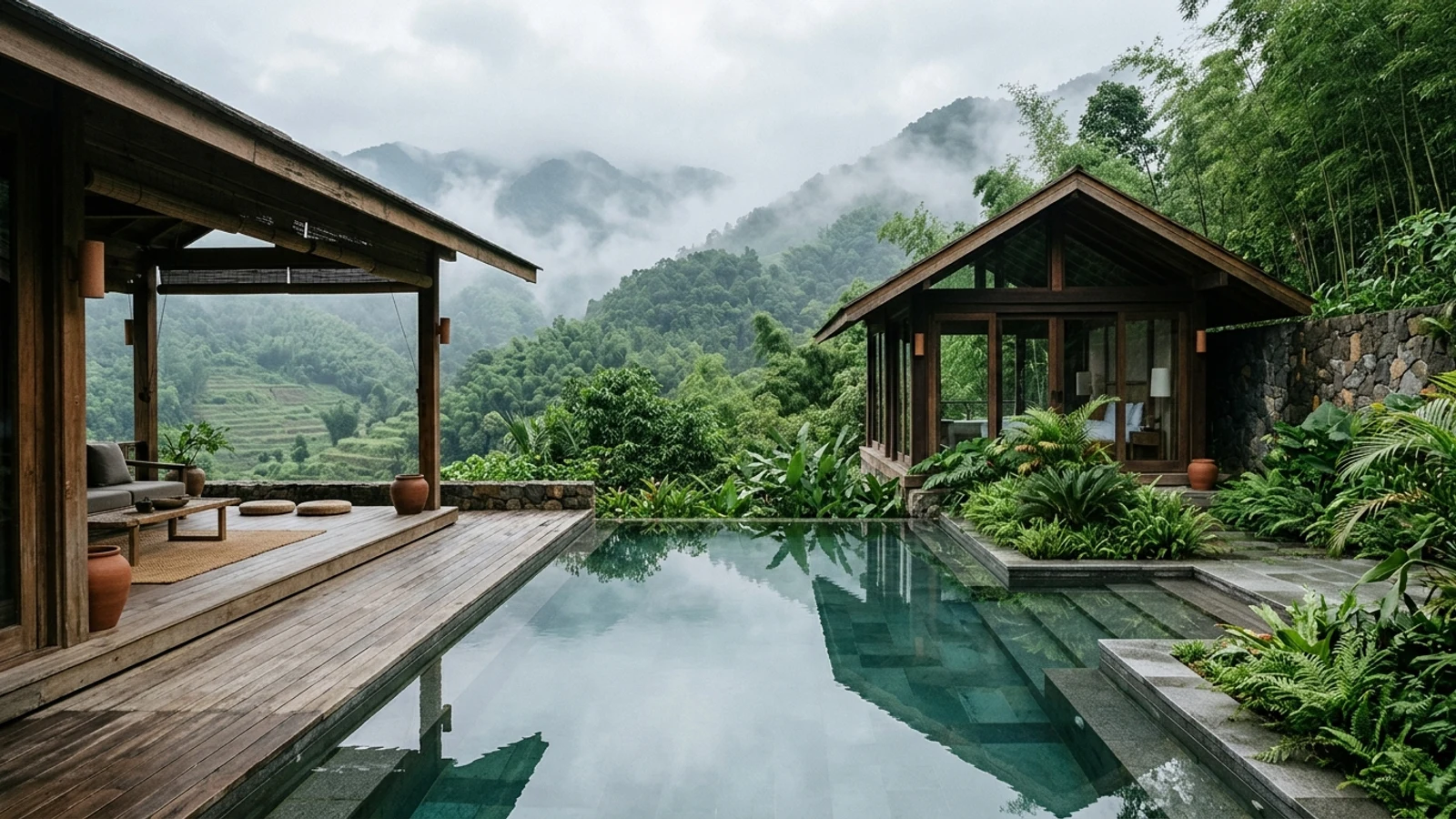
The report identified four distinct profiles for luxury travelers among the Gen Z demographic. One segment focuses heavily on brand reputation, loyalty programs, and established hospitality standards to ensure their itineraries are carefully curated. Another segment identifies wellbeing as the primary priority, seeking out nature-based environments and facilities that support mental and physical health. These travelers are significantly influenced by destinations that offer proximity to nature, which is a priority for 86% of respondents. Source
For travelers prioritizing privacy and disconnection, the preferred accommodation includes boutique hotels and private villas located in lesser-known areas. This group actively reduces technology usage during their trips. A fourth profile emphasizes heritage, family history, and local community engagement. Research shows that 87% of travelers consider engagement with local communities and cultural exploration to be essential components of their trip planning process when selecting a destination for their next luxury vacation. Source
Cuisine remains a critical factor in the travel decision-making process, with 86% of affluent travelers reporting that they are influenced by the quality and availability of local food. Additionally, 85% of survey respondents explicitly stated that wellness experiences are important to their travel plans. As these trends take hold, technology is also shifting the planning stage of trips, with nearly one-quarter of affluent travelers already utilizing artificial intelligence tools to research, organize, and finalize their upcoming travel itineraries. Source
Shifting Patterns in Trip Duration
Beyond the demographic specifics of younger travelers, the broader trend across the Asia-Pacific region indicates a shift toward fewer, longer holidays. Travelers are moving away from frequent short breaks, preferring to spend more time at each destination to facilitate deeper exploration. The projected average length for international leisure trips is expected to increase from seven to nine nights. This pattern reflects a broader desire for more meaningful, less rushed travel experiences that allow for genuine immersion into local life. Source
The data suggests that the luxury sector must adapt to a need for seamless service throughout the entire guest journey. While traditional luxury brands remain relevant, the evolution of the industry is driven by these diverse preferences for wellness, heritage, and personalization. As investment continues to move toward residential properties and specialized heritage sites, companies are increasingly focusing on residential portfolios and boutique offerings to cater to travelers who are moving away from the standard high-end hotel model. Source
Comparative data on traveler priorities highlights the multifaceted nature of current luxury demand. While specific percentages vary by traveler profile, the reliance on digital research tools continues to rise. The following table summarizes key priorities for affluent travelers in the Asia-Pacific region based on the reported survey findings from the Luxury Group by Marriott International. Source
| Priority Factor | Percentage of Respondents |
|---|---|
| Cultural Engagement | 87% |
| Local Cuisine | 86% |
| Proximity to Nature | 86% |
| Wellness Experiences | 85% |
| Use of AI for Planning | 23% |
As the industry continues to evolve, the integration of technology into the guest service model remains a focus. According to senior executives, this transition is not merely about operational efficiency but about meeting the expectations for customized and immediate service. The investment in residential properties across diverse regions serves to accommodate travelers who prefer the privacy of home-like settings with the service levels of a luxury hotel, a direct response to the documented demand for more intimate, personalized accommodation. Source
Ultimately, the movement toward more meaningful travel is shaping the future of global hospitality. By focusing on the values of the traveler—such as family connection, physical wellbeing, and cultural heritage—brands are finding new ways to compete in a saturated market. The transition toward longer stays and the prioritization of unique, non-standardized experiences suggest that the luxury sector is entering a period where the quality of time spent is as significant as the quality of the destination itself. Source

