
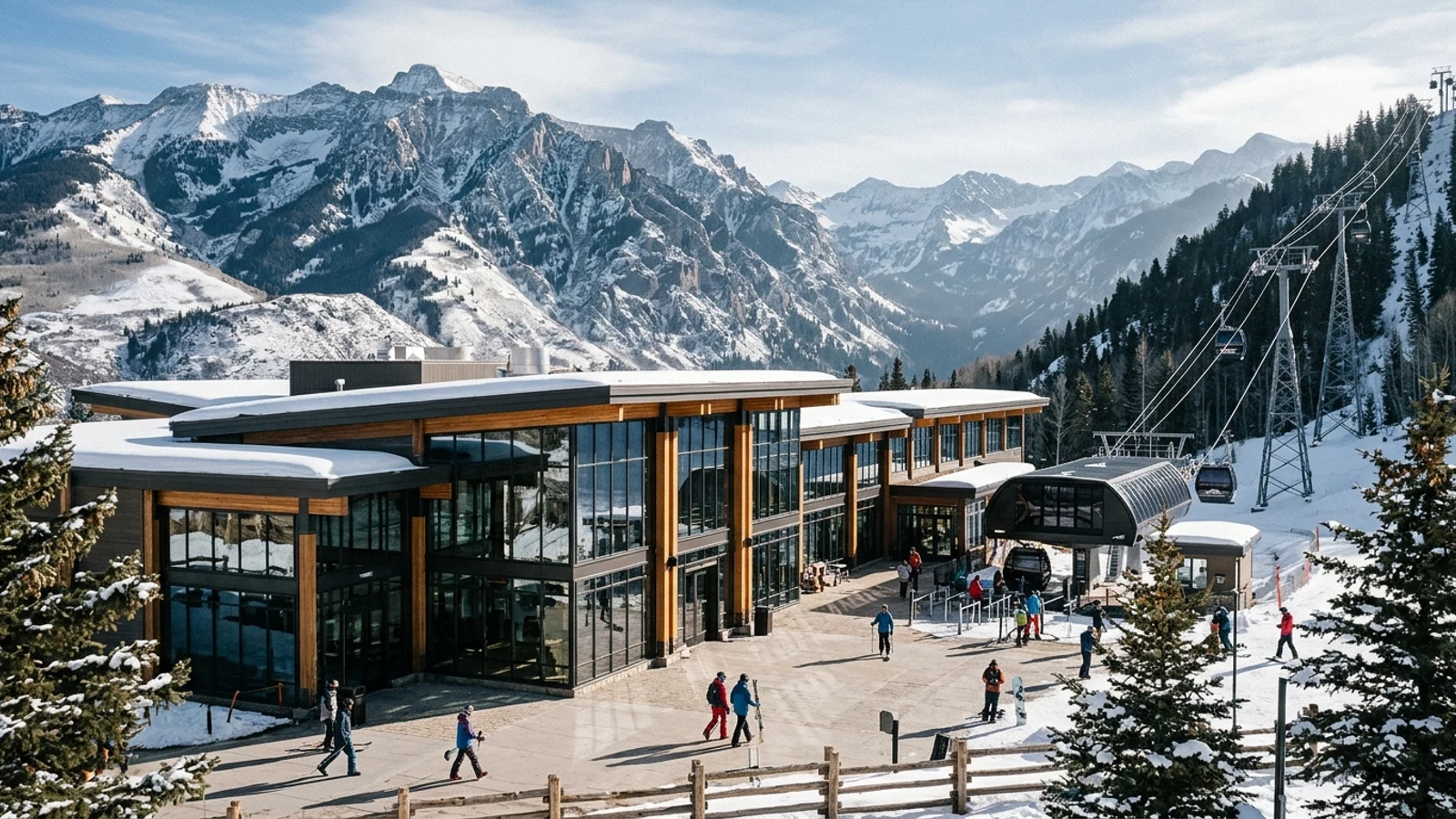
Oasis Management, which currently holds a 9.6 percent ownership stake in Vail Resorts, has formally initiated a campaign to alter the composition of the company's board of directors. The activist investment firm is seeking to elect two new members during the upcoming annual meeting scheduled for December 14, 2026. This move follows a period of public criticism regarding the resort operator's recent financial and operational performance, as detailed in internal investor materials provided by the firm regarding its vision for the company. Source
The nominations for the two board seats include former Disney CEO Bob Chapek and investor M. Ashton Hudson. Oasis Management is advocating for these appointments as part of a broader critique of the current administration. According to the firm, Vail Resorts has experienced a significant decline in shareholder value, noting that the stock lost half of its total worth in the five-year period ending in June 2026. These concerns are central to the upcoming vote at the December meeting. Source
In addition to share price performance, Oasis Management highlighted operational trends that have impacted the resort portfolio. Data presented by the firm indicates that skier visits have consistently declined over the past three consecutive seasons. Furthermore, the company reported that resort EBITDA margins have seen a continuous downward trajectory over a four-year duration. These metrics form the basis of the activist argument for a change in corporate governance at the December 14 gathering of shareholders. Source
The management team at Vail Resorts has responded to the pressure from Oasis by emphasizing that it is already in the process of executing a comprehensive turnaround strategy. The existing board maintains that current initiatives are sufficient to address the challenges mentioned by the firm. Skift Travel Discovery reports that the dispute centers on conflicting views of the company's trajectory, with Oasis also alleging deficiencies in how the board has handled executive leadership transitions and past compensation structures. Source
Oasis Management has raised specific objections regarding capital allocation and governance practices at Vail Resorts. Specifically, the investor claims that the board set performance-based compensation targets that were too easily achieved by leadership. Additionally, the firm criticized the board for authorizing share buyback programs at valuation levels that are higher than the current market trading price. These assertions are presented as key components of the firm's argument for why new leadership on the board is required. Source
Financial projections provided by Oasis suggest that there is a path to generating more than 280 million dollars in incremental EBITDA for the company. The firm claims this could be achieved through operational shifts, though it has not provided a detailed timeline for these results beyond the immediate push for the December 14 vote. The board of directors continues to reject these calls for change, maintaining that the current strategic direction is the correct path for future growth and profitability. Source
The broader hospitality and leisure market has shown mixed reactions to similar economic pressures recently. While Vail Resorts deals with internal activist pressure, other major hotel entities have seen different market outcomes. For instance, recent market analysis shows that Hyatt, Hilton, and Marriott have experienced gains in stock value as of the most recent reporting period. This context highlights the difficulty resort operators face in maintaining high margins in the current economic environment while balancing investor demands. Source
Shareholders are now tasked with weighing the proposal from Oasis against the existing turnaround plan presented by the Vail Resorts board. The December 14 annual meeting will serve as the venue for this resolution, representing the culmination of the ongoing activist campaign. Regardless of the outcome of the board seat election, the points raised by Oasis concerning the erosion of EBITDA margins and declining visitor numbers highlight significant challenges for the ski industry heading into the next winter season. Source
The situation reflects a period of heightened scrutiny for large-scale leisure companies. With the involvement of high-profile figures such as former Disney CEO Bob Chapek, the board seat contest has drawn significant attention. Oasis Management aims to leverage this interest to convince shareholders that current governance oversight has been insufficient, particularly concerning executive succession and capital return policies. The final outcome on December 14 will likely determine if the company modifies its operational strategy or maintains its current path. Source
As the meeting date approaches, the gap between the activist vision and the incumbent board's plan remains pronounced. Vail Resorts has focused its defense on internal improvements, while Oasis has focused on external candidates and strategic overhauls. Whether the shareholders align with the demand for a leadership change or opt to support the current board's ongoing turnaround efforts remains the primary point of contention as the December 14 deadline for the annual shareholder meeting draws nearer for the company. Source
The ongoing discussions at Vail Resorts represent a microcosm of larger challenges within the travel and leisure sectors, where profitability metrics are being rigorously challenged by institutional investors. Oasis Management has made it clear that their primary objective is to increase the company's EBITDA through a shift in board-level oversight. With the voting set for December 14, shareholders must now decide between the status quo or a new direction proposed by one of the firm's largest minority stakeholders. Source
Looking ahead, the focus for both the public and the investment community will be the results of the December 14 election. The outcome will likely influence how the company approaches future development deals and operational costs. For now, Vail Resorts remains committed to its existing strategy, insisting that it is already working through a turnaround. This provides a clear choice for shareholders as they prepare for the meeting, with implications for the future of the company's vast network of resort properties. Source

