
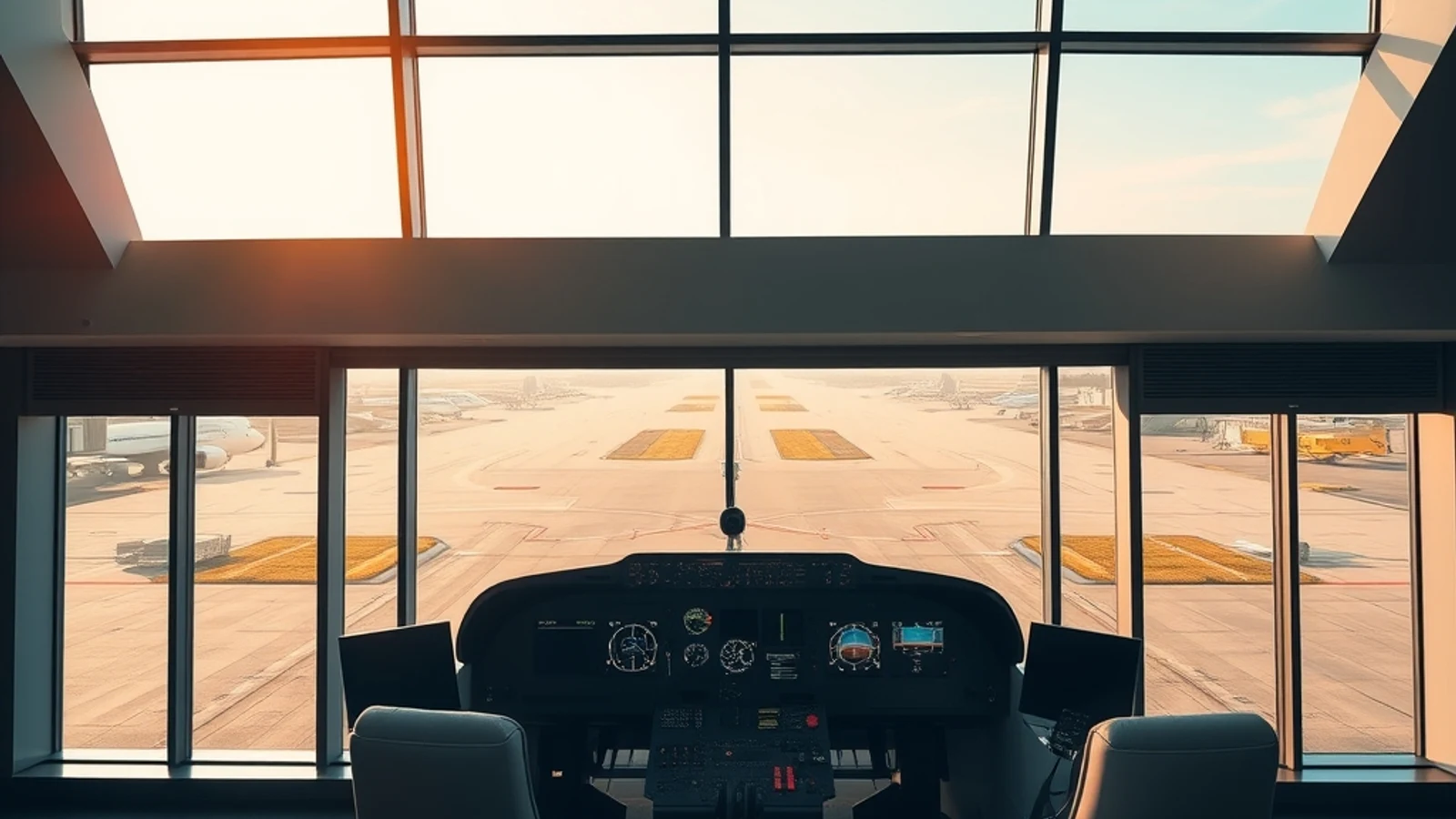
Microsoft Flight Simulator has gained significant popularity as a supplementary tool for student pilots and aviation enthusiasts. While it provides a high-fidelity interface that replicates weather, global geography, and complex avionics, it is not a standalone substitute for professional flight instruction. According to Simple Flying, while the software provides a realistic cockpit atmosphere, it lacks the full motion feedback and physical flight deck configuration found in certified airline simulators, which are necessary for official pilot training. Source
The platform enables users to practice flight maneuvers and master 'switchology' from their desks. By using high-quality third-party add-ons, users can study the specific layouts of aircraft such as the Boeing 737 or Airbus A320. Simple Flying notes that mastering these cockpit environments at home can prevent early confusion during formal training sessions, allowing students to focus on handling and maneuver practice rather than searching for specific buttons or learning basic system interactions for the first time. Source
The training value of home simulation is highly dependent on the hardware configuration employed by the user. While standard consumer yokes often rely on basic spring tension, actual aircraft controls exhibit varying resistance based on airspeed. Simple Flying reports that during an engine failure in a Boeing 737 MAX 8 at takeoff decision speed, pilots must exert 80 pounds of force on the rudder pedals. Home setups with force-feedback controls offer a more immersive experience than plastic pedals but still cannot replicate the full physical feedback. Source
From a regulatory standpoint, the Federal Aviation Administration does not permit personal computer flight hours to be logged toward official pilot certificates. The FAA requires certified training devices to feature enclosed cockpits, physical switches, and validated aerodynamic software. Consequently, while home software serves as a productive complement to accredited instruction, it is viewed strictly as a practice environment rather than an official replacement for flight school or mandated simulation hours. Source
Microsoft Flight Simulator 2024 has introduced new career modes to help guide users through structured training. As reported by GamingTrend, this system includes baseline training for the Cessna 172, covering instrument usage, taxiing, takeoff, climb, and approach patterns. Once a user demonstrates proficiency, they may attempt a virtual Private Pilot License exam, which is evaluated with a numerical score and a letter grade, encouraging users to learn core fundamentals before attempting complex aircraft operations. Source
The progression system allows users to earn in-game credits to purchase certification exams for specialized pilot roles. Beyond fixed-wing aircraft, the simulator now incorporates rotary-wing training, covering turbine engines, hoist operations, and commercial construction. GamingTrend observes that these endorsements provide a methodical way for users to encounter increasingly complex flight environments, such as high-performance or multi-engine aircraft, without being overwhelmed by the steep learning curve of advanced aviation systems. Source
While simulation interfaces continue to evolve, there remains a distinction between digital environments and actual aircraft. The Verge highlights that 'flying by the seat of your pants' involves physical sensations—such as G-forces, buffeting near stall speeds, or the feel of the controls—that digital simulations cannot replicate. Learning to interpret these physical cues is a core component of in-person flight instruction, and even the most advanced, expensive home cockpit cannot replace the experience of live aviation. Source
Aviation training in professional and military contexts remains on an entirely different level than consumer-grade simulation. Professional-grade simulators are housed on moving platforms that react to pilot inputs and mimic turbulence. As stated by The Verge, these systems must meet strict FAA regulations regarding construction and use. While hobbyists can build sophisticated home setups to practice systems, they remain fundamentally distinct from the immersive, certified platforms used for commercial and military pilot qualifications. Source
The following table compares key characteristics between home-based flight simulation and certified professional training devices. Source
Feature Home Flight Simulator Professional Training Device Regulation Not logged toward official certificates FAA-certified standards Motion No motion feedback Full motion platform Fidelity High, varies with hardware Precise aerodynamic/cockpit replication Primary Utility Procedural practice, hobbyist exploration Type ratings, license certification. Source
The differences in automation philosophy between the Airbus and Boeing families are clearly rendered within the simulator. Airbus relies on a side-mounted joystick and fly-by-wire computers that automatically manage aircraft trim and bank limits. Conversely, the Boeing flight deck utilizes manual control yokes and physical trim wheels that require pilot interaction. Simple Flying notes that practicing these differing philosophies allows enthusiasts to understand how airline flight crews adapt to the specific design requirements of each manufacturer. Source
Ultimately, the simulator acts as a visual sandbox for complex scenarios that are often dangerous or prohibitively expensive to attempt in real aircraft. Users can explore the outer limits of performance, such as landing at maximum weight on short runways or simulating mechanical failures. Simple Flying concludes that this exploration fosters curiosity and insight into energy management and stall speeds, provided users maintain the awareness that the digital environment remains distinct from the physical laws of actual flight. Source

