
Strategic Fleet Procurement
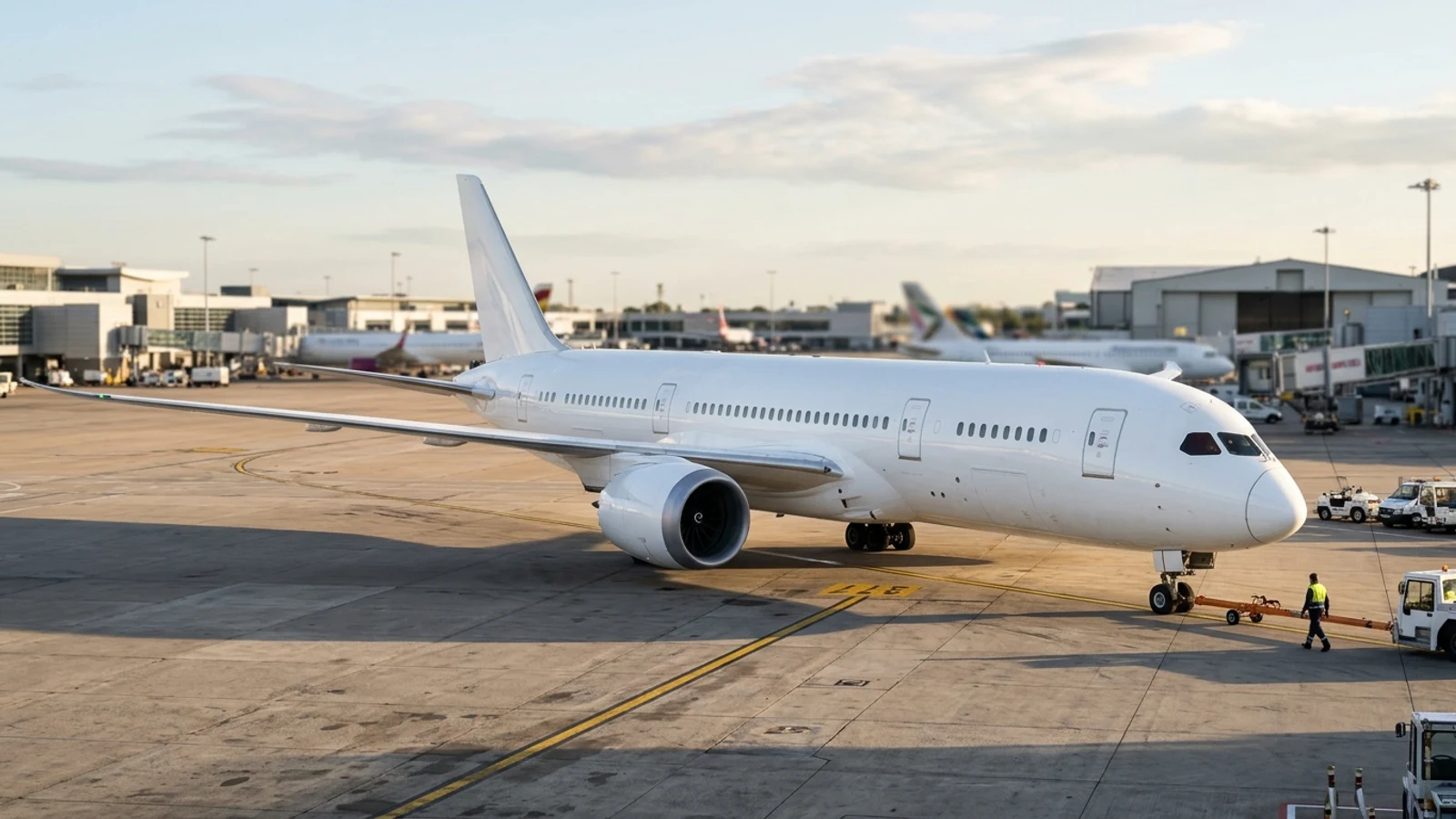
Australian flag carrier Qantas is currently in the late stages of determining the future composition of its long-haul widebody fleet. According to reporting from Simple Flying Aviation Discovery, the airline is weighing a potential order for approximately 20 new widebody twinjet aircraft. This procurement initiative is part of a broader fleet renewal strategy aimed at modernizing the carrier’s long-haul capabilities. Sources suggest that Qantas is set to favor the Boeing 787 Dreamliner for the majority of this new order. Source
While the Boeing 787 is identified as the primary candidate for the upcoming order, the Airbus A350 family is expected to account for the remaining aircraft in the deal. The decision to balance these platforms reflects a complex strategy within 21st-century aviation. Qantas has already committed to the Airbus A350-1000ULR, which is designated for its ambitious 'Project Sunrise' long-haul services intended to connect Sydney to London directly. This ongoing debate regarding the optimal platform continues to shape the airline’s future operational planning. Source
Market reports concerning the impending order surfaced on November 27, 2026. A Qantas spokesperson stated that the airline remains in active discussions with relevant manufacturers and that no final decisions have been formally concluded as of that date. The procurement is viewed as an essential component of the airline's long-term modernization efforts. A key aspect of this renewal is the planned retirement of the carrier’s double-decker Airbus A380 quadjets, which is intended to improve efficiency in the face of fluctuating global fuel prices. Source
Current Fleet and Operational Capacity
The preference for the Boeing 787 is heavily supported by Qantas' existing operational familiarity with the aircraft type. The airline took its first delivery of the 787-9 model in October 2017. As of November 2026, Qantas maintains a total of 14 Boeing 787-9 Dreamliners in its fleet. Among these units, 12 are listed as active, one is undergoing scheduled maintenance in Hong Kong, and one remains in storage at Melbourne Airport. The average age of these aircraft is 7.7 years, compared to the airline's total fleet average of 14.6 years. Source
Beyond its current 787-9 inventory, Qantas has already planned for future growth of this sub-fleet. The airline currently holds an outstanding order for eight of the larger 787-10 variants. Furthermore, despite not yet having any A350s in active service, the airline maintains orders for 12 standard Airbus A350-1000s and 12 A350-1000ULRs. The existing 787-9 fleet utilizes a premium-heavy, low-density configuration tailored for long-haul routes, with a cabin layout that balances business, premium economy, and economy class seating across all units. Source
The following table details the standard cabin configuration for the current Qantas Boeing 787-9 fleet, reflecting the airline's emphasis on high-demand premium service offerings on international long-haul routes. These seating counts are consistent across the operating fleet, designed to meet the requirements of passengers on extended intercontinental journeys connecting Australia with international hubs. Source
| Cabin Configuration | Seat Count |
|---|---|
| Business Class | 42 |
| Premium Economy | 28 |
| Economy Class | 166 |
Qantas utilizes its Boeing 787-9 fleet on a variety of international long-haul routes. As of November 2026, notable operations include thrice-weekly flights from Sydney to Paris via Singapore, and four-times-weekly service between Sydney and New York via Auckland. The aircraft are also central to the airline’s service connecting Perth to London Heathrow. While the route currently requires a technical stop in Singapore due to airspace restrictions resulting from the war in Iran, the airline confirmed that plans are in place to resume nonstop services in February. Source

