
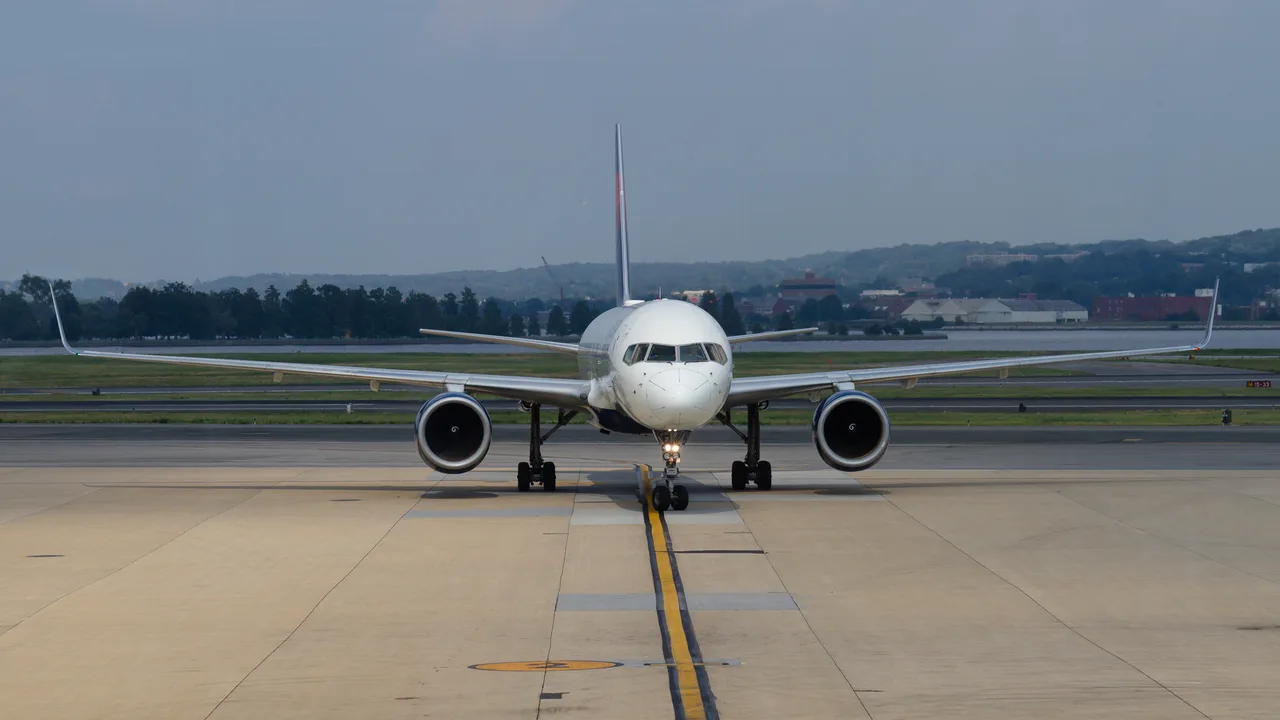
Commercial aviation in the United States operates under a central framework managed by the Federal Aviation Administration (FAA), following a century of legislative restructuring and safety adaptations. According to an overview published by the Orange County Register, early passenger transport in the 1920s was unprofitable on its own and required federal intervention to build commercial viability.
Legislative Evolution of U.S. Commercial Aviation
Commercial flight infrastructure developed through key federal statutes that established standards for safety, routing, and corporate structure.
| Year | Legislative Act / Event | Operational Impact |
|---|---|---|
| 1925 | Air Mail Act of 1925 | Transferred airmail to private contractors, funding early carrier fleet expansion. |
| 1926 | Air Commerce Act of 1926 | Initiated federal control, pilot licensing, aircraft inspections, and airway mapping. |
| 1934 | Air Mail Act of 1934 | Dissolved conglomerates, forcing manufacturers like Boeing to separate from carriers like United. |
| 1938 | Civil Aeronautics Act of 1938 | Standardized pilot training and safety oversight under an independent authority. |
| 1958 | Federal Aviation Act | Created the Federal Aviation Agency following the June 30, 1956 Grand Canyon air crash. |
| 1967 | Department of Transportation Act | Established DOT operations on April 1, 1967, renaming the agency to the FAA. |
Modern Airspace Operations and Infrastructure
Today, the FAA provides air traffic management services to more than 45,000 daily flights and 2.9 million daily airline passengers. The National Airspace System relies on a structured network of control facilities across the country:
- Airport Towers: 520 operational towers managing local arrivals and departures.
- TRACON Facilities: 147 Terminal Radar Approach Control facilities (25 stand-alone and 122 combined with control towers) managing ascending and descending traffic.
- Control Centers: 25 regional facilities, including 21 Air Route Traffic Control Centers managing en-route airspace over 100,000 square miles each.
The Southern California TRACON facility in San Diego represents one of the busiest airspace control hubs globally, managing roughly 6,000 aircraft per day (2.2 million annually) across 9,000 square miles. It handles approach and departure guidance for key regional hubs, including Los Angeles International Airport (LAX), John Wayne Airport, San Diego International Airport, Ontario International Airport, Hollywood Burbank Airport, and Long Beach Airport.
