Reported by The Aviation Hub
Airlinesยท ๐ŸŒ Global

Boeing 737 MAX: Corporate Strategy and Financial History Breakdown

An analysis published by The Aviation Hub details the long-term corporate governance decisions, restructurings, and regulatory delegation that preceded the Boeing 737 MAX crisis.

By Rohit Kumar

AI-assisted reporting based on the linked source record. How we publish

Published 28 Nov 2026, 5:50 am IST ยท 2 min read

Key facts

Reported by The Aviation Hub
  • โ€ขLion Air Flight 610 (October 2018) and Ethiopian Airlines Flight 302 (March 2019) resulted in 346 total fatalities.
  • โ€ขBoeing selected the 737 MAX re-engine plan over a clean-sheet design in 2011 to counter the Airbus A320neo.
  • โ€ขBy late 2012, Boeing had secured over 2,500 orders for the 737 MAX valued at an estimated $140 billion.
  • โ€ขCorporate restructurings included the $14B McDonnell Douglas acquisition (1997), HQ relocation to Chicago (2001), and Spirit AeroSystems spin-off (2005).
Boeing 737 MAX: Corporate Strategy and Financial History Breakdown
๐Ÿ“ Airlines Sector Dispatch ยท The Aviation Hub
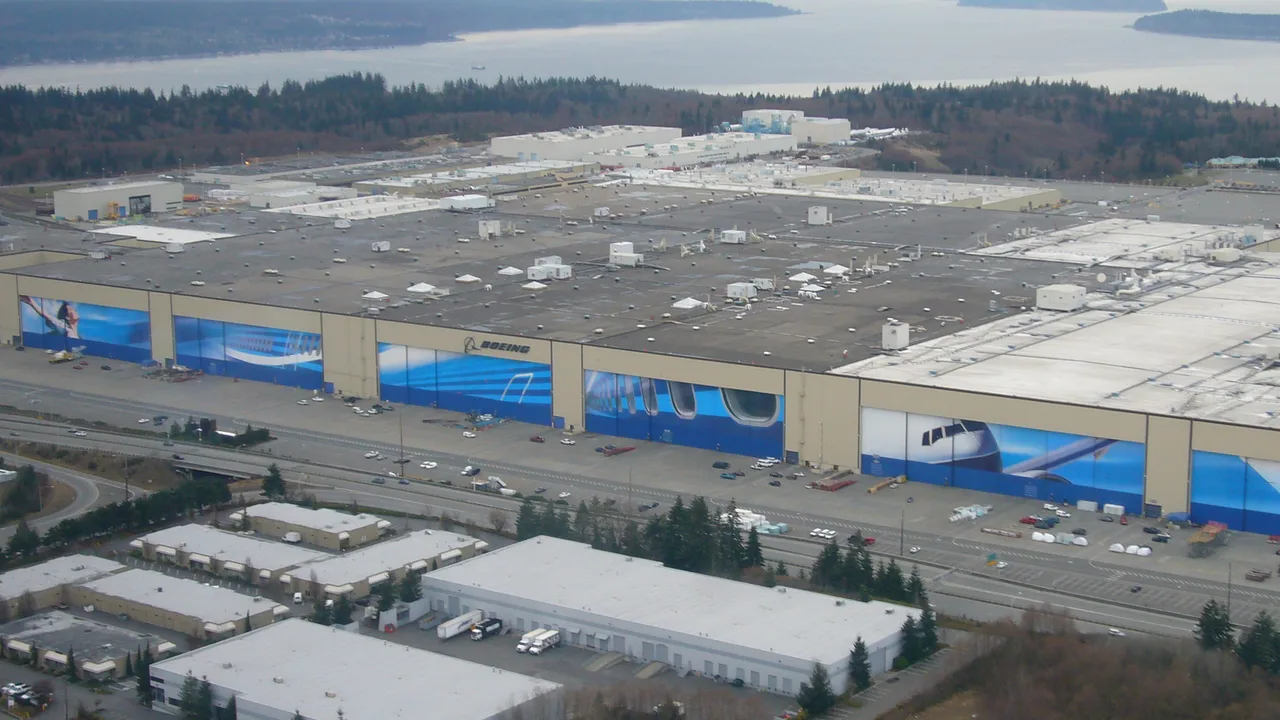
Image credit: Photo by Maurice King (CC BY 2.0) Source1280ร—720

Key Story Context & Attributes

Industry Sector:Aerospace Manufacturing, Commercial Aviation, Civil Aviation Regulation
Companies Mentioned:Boeing, McDonnell Douglas, Spirit AeroSystems, Airbus, Lion Air, Ethiopian Airlines
Geographic Scope:United States, Indonesia, Ethiopia
Reporting Source:The Aviation Hub

An analytical dispatch published by The Aviation Hub examines how long-term corporate governance decisions and regulatory delegation contributed to systemic vulnerabilities in the Boeing 737 MAX program. While technical software mechanicsโ€”specifically the Maneuvering Characteristics Augmentation System (MCAS)โ€”directly caused two fatal crashes, the analysis details how decades of shifting corporate priorities and lean federal oversight framed those outcomes.

Key Program Milestones and Financial Breakdown

Milestone / MetricDetail / Financial MetricDate / Period
McDonnell Douglas Merger$14 billion acquisition1997
HQ RelocationShifted headquarters from Seattle to Chicago2001
Fuselage Operations Spin-offWichita assets spun off into Spirit AeroSystems2005
737 MAX Development DecisionSelected re-engine option over clean-sheet aircraft2011
Initial Order BookBooked >2,500 orders valued at ~$140 billionEnd of 2012
Lion Air Flight 610 CrashFatal accident resulting in 189 fatalitiesOctober 2018
Ethiopian Airlines Flight 302 CrashFatal accident resulting in 157 fatalitiesMarch 2019

Strategic Shifts and Operational Restructuring

Boeing's strategic philosophy evolved following its 1997 acquisition of McDonnell Douglas for approximately $14 billion. Leadership transitions brought operational changes prioritizing financial returns, share price growth, and cost control over traditional engineering-centric governance. In 2001, Boeing physically separated corporate management from its engineering base by moving its headquarters from Seattle to Chicago. Operational restructuring continued in 2005 when the manufacturer spun off its Wichita fuselage operations to create Spirit AeroSystems.

The critical decision to develop the 737 MAX occurred in 2011 in response to Airbus launching the A320neo. To preserve capital and shorten time-to-market compared to developing an entirely new single-aisle aircraft, Boeing opted to modify its existing 737 airframe architecture. By the end of 2012, the company accumulated more than 2,500 MAX orders worth an estimated $140 billion.

Alongside corporate governance changes, federal regulatory models increasingly relied on delegated oversight and industry partnership. The analysis notes that combining shareholder-value maximization strategies with lean regulatory structures increased operational reliance on manufacturer self-certification, preceding the design and certification choices of the 737 MAX.

Source-stated Dates & Events

1997

Boeing acquires McDonnell Douglas for approximately $14 billion.

2001

Boeing relocates corporate headquarters from Seattle to Chicago.

2005

Boeing spins off Wichita fuselage operations into Spirit AeroSystems.

2011

Airbus launches A320neo; Boeing decides to develop the 737 MAX re-engine option.

Late 2012

Boeing secures over 2,500 MAX orders valued at an estimated $140 billion.

October 2018

Lion Air Flight 610 crashes, resulting in 189 fatalities.

March 2019

Ethiopian Airlines Flight 302 crashes, resulting in 157 fatalities.

Announced Next Steps

  • 1Review historical FAA certification protocols and delegation policy reform implementations.
  • 2Track ongoing production oversight and quality management reviews across commercial aircraft manufacturing facilities.

Frequently Asked Questions

Lion Air Flight 610 in October 2018 and Ethiopian Airlines Flight 302 in March 2019 crashed after the Maneuvering Characteristics Augmentation System (MCAS) received faulty data from a single sensor and pushed the nose of the aircraft down.

Boeing chose to re-engine the 737 airframe in 2011 to compete directly with Airbus's A320neo rather than investing in a completely new single-aisle aircraft design.

Key shifts included acquiring McDonnell Douglas for $14 billion in 1997, moving corporate headquarters from Seattle to Chicago in 2001, and spinning off Wichita fuselage manufacturing to Spirit AeroSystems in 2005.

Source & Evidence Ledger

1 linked source
1
The Aviation HubLinked reporting source ยท 28 Nov 2026, 5:17 am IST
Open source โ†—

Upstream source timestamp: 28 Nov 2026, 5:17 am IST. Skyline publication timestamp is shown in the byline above.

SkylineWire Android App

Read in the SkylineWire App

FREE

30s Fast Bites, Executive Audio Briefing Room & offline reading on Android.

Get on Google Playโ†’

See our editorial team and corrections policy.

Related Intelligence Reports

More in Aviation โ†’

Get Breaking Global Intel in Your Inbox

Subscribe to the Skyline Wire AI Daily Briefing. Direct insights across Aviation, Tech, EVs, and Markets.

Original source link: The Aviation Hub

Boeing737 MAXMCASAviation SafetyFAACorporate GovernanceSpirit AeroSystems
Boeing 737 MAX financial breakdownBoeing corporate history737 MAX certification policyMcDonnell Douglas merger Boeing