
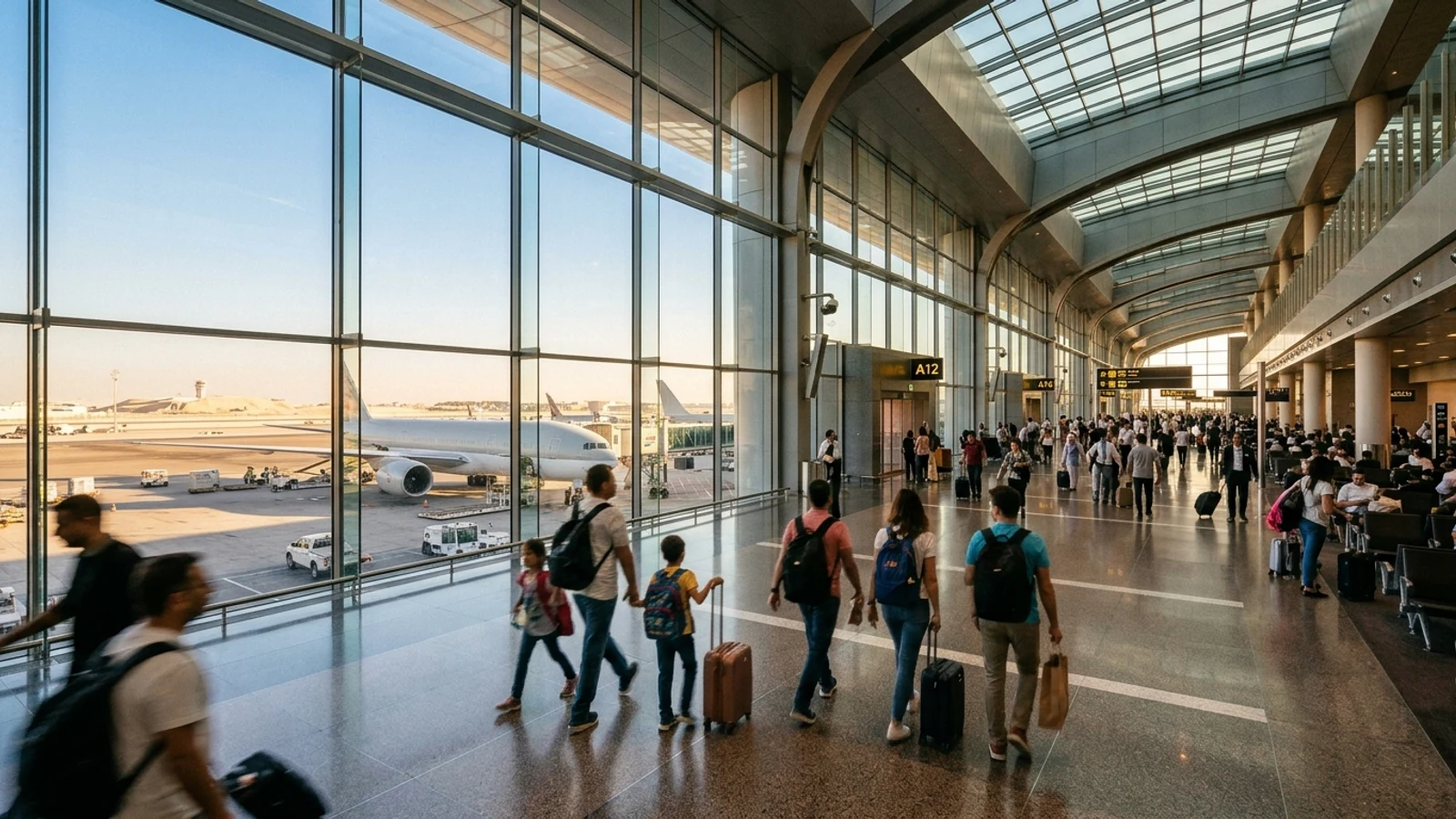
The United States Department of State has officially elevated the travel advisory for Bahrain to Level 3: Reconsider Travel, effective from the most recent update on October 23, 2026. This classification, which sits one tier below the highest warning level, advises American citizens to avoid non-essential travel to the island nation due to ongoing security concerns, including terrorism and armed conflict. The updated guidance follows a period of heightened regional instability characterized by military activity and regional tensions throughout the Gulf. Source
Travelers originating from major US aviation hubs, particularly in New York, Texas, and Virginia, are advised to exercise increased caution when planning journeys that involve connections through Middle Eastern hubs. While Bahrain International Airport remains operational, the security environment necessitates that passengers remain flexible. Experts from Travel And Tour World Aviation Discovery note that individuals should verify their flight status repeatedly before departure and ensure they have all necessary travel documentation and medical supplies readily available. Source
The risks to civilian aviation are primarily linked to the proximity of military operations to established transport corridors. Although no formal closure of Bahraini airspace has been announced, the European Union Aviation Safety Agency currently advises operators to avoid flying over the waters of the Bahrain flight information region, known as FIR OBBB, except for essential arrival and departure procedures. This guidance is based on the potential for unpredictable military activity and the limited reaction times available in such a confined, high-risk geography. Source
Passengers should anticipate that airline routings may change on short notice. Because flight paths are subject to adjustments based on real-time security assessments, aircraft might be redirected, fuel stops may be added, or flights could face cancellations if airspace safety requirements evolve. For those traveling through hubs like Dubai, Abu Dhabi, or Doha—which serve as critical transit points for North American passengers reaching the Gulf—these disruptions can ripple outward, potentially impacting connections even for those not ultimately destined for Bahrain. Source
The current security environment has specifically affected US government personnel, who face tighter movement controls within Bahrain and require special authorization for official travel. The broader regional tension includes a series of reported Iranian drone and missile attacks against US-linked military targets since mid-2026. These events have prompted several nations to adjust their advisory statuses, reflecting a shared concern regarding the volatility of the Gulf airspace and the potential for rapid escalation with minimal advance warning. Source
Impacts on passengers often manifest through lost hotel bookings, missed meetings, or extended waiting periods at transfer airports. Travelers from cities like Dallas, Houston, Austin, or Washington, D.C., should be aware that the complexity of these routes increases when airlines adjust paths to avoid risk zones. Building additional time into itineraries and ensuring that flight segments are covered under a single booking reference are recommended strategies to mitigate the impact of a failed connection or a flight modification. Source
Travelers seeking to understand their passenger rights should prioritize reading the terms of their ticket and insurance policies. If an airline cancels a flight or significantly alters a schedule, passengers may be entitled to a refund or alternative routing, though these options vary by carrier and jurisdiction. Keeping detailed records, including booking screenshots and receipts for expenses caused by disruptions, is critical. It is also advised to enroll in the Smart Traveler Enrollment Program to receive timely security updates. Source
Regional Advisory and Operational Context
When assessing the feasibility of upcoming trips, travelers should compare the security landscape across different regional hubs. The following table provides a snapshot of current travel advisory levels and regulatory concerns for major nations with active warnings regarding the Gulf region. Source
| Country | Advisory Status | Primary Concern |
|---|---|---|
| United States | Level 3 | Terrorism/Armed Conflict |
| Ireland | Avoid Non-essential | EASA Airspace Notice |
| Canada | Avoid Non-essential | Volatile Security |
Despite the elevated risk profile, commercial flights are presently operating, and there has been no reported shutdown of the airport. The primary challenge remains the potential for rapid changes in overflight permissions and the reliance on last-minute aircraft swaps. Travelers are cautioned against relying on long-term schedules, as the most accurate data will be found in live timetables and direct communications from their specific airlines in the 48 to 72 hours before a scheduled departure. Source
Airlines are tasked with prioritizing safety, which can mean choosing longer, more fuel-intensive paths to avoid conflict zones. While this helps maintain safety standards, it inherently increases flight times and costs. Passengers should be prepared for these operational decisions, which do not indicate a failure of the airline but rather a calculated response to the environmental conditions in the Gulf. Maintaining a proactive communication channel with the carrier is the most reliable way to stay informed during transit. Source
Passenger Preparation and Future Outlook
Ultimately, the decision to proceed with travel should involve a thorough assessment of personal requirements versus the potential for disruption. As no specific timeline for a formal review of the current advisory has been announced by the US State Department, travelers should prepare for the current level of uncertainty to persist. Keeping emergency contacts, booking references, and secondary travel plans readily available will remain vital for all who continue to traverse the Gulf in the coming months. Source

