
Security Vulnerabilities and Software Updates
Automotive cybersecurity researchers have identified a persistent security flaw affecting Volkswagen vehicles that allows unauthorized access to vehicle systems. According to CarBuzz, this vulnerability centers on the manufacturer's implementation of Bluetooth, which reportedly left various models susceptible to external interference for approximately 18 months. The breach can reportedly be exploited to manipulate internal systems, including the operation of heating, the sunroof, and windshield wipers, without the owner's knowledge or consent. Source
The vulnerability was publicly disclosed through a demonstration involving a Volkswagen ID.4. Researchers from PCA Cyber Security reportedly accessed the vehicle's electronic systems using Bluetooth technology, which was originally designed for simple hardware connectivity. The investigation revealed that the system administrator lacked password protection, permitting attackers to access contact lists and text messages from connected smartphones. Furthermore, investigators utilized the vehicle's integrated European eCall system, intended for emergency communications, to execute these unauthorized interactions. Source
Volkswagen has initiated the rollout of software patches to mitigate the identified security risks. Owners of affected connected vehicles are advised by reports to monitor for available over-the-air updates and apply them immediately to ensure their systems are protected. The delay in addressing this flaw, which was documented by security experts since 2025, has drawn significant criticism from industry observers regarding the priority placed on software security in modern, computer-integrated automobiles. Source
Volkswagen ID. Cross Model Specifications
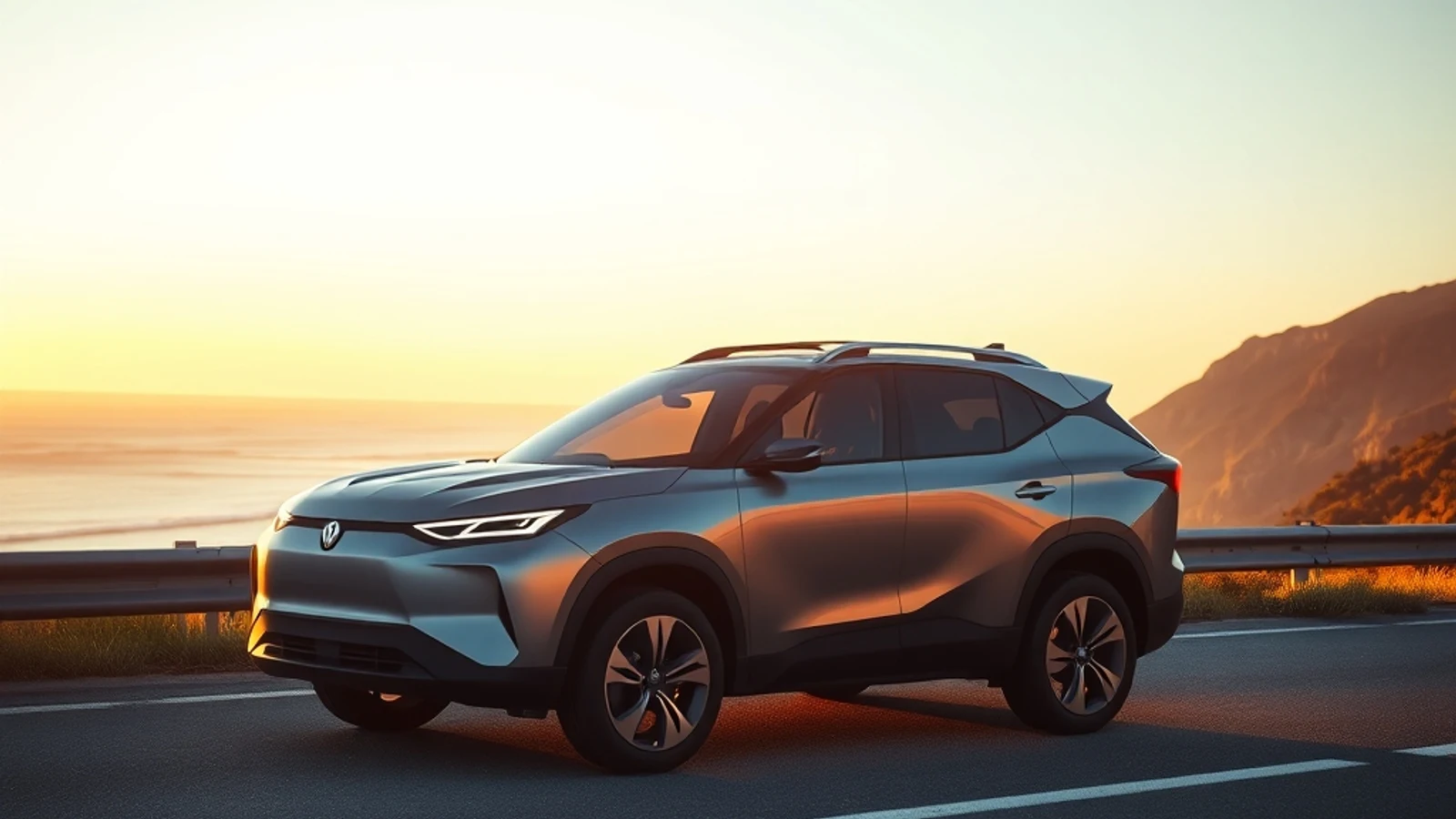
In addition to these security concerns, the manufacturer has introduced the Volkswagen ID. Cross, an electric mini-SUV that emphasizes interior utility. Positioned as a larger alternative to the petrol-powered T-Cross, the ID. Cross features the MEB+ platform. Design elements include a more vertical cabin architecture compared to the ID. Polo, resulting in increased interior volume and a more spacious boot. The model is currently entering the market with a focus on practical family transport and urban maneuverability. Source
The ID. Cross is available with two distinct battery configurations. The base model features a 37kWh lithium iron phosphate (LFP) pack, which provides a WLTP range of approximately 190 miles. A secondary, more robust option consists of a 52kWh NMC battery, which extends the manufacturer-claimed range to 265 miles. Both versions are configured as front-wheel-drive, five-seater hatchbacks. The vehicle includes vehicle-to-load capability for powering electrical devices, and roof bars are capable of supporting a 75kg static load. Source
Performance figures vary significantly between the two battery trims. The 37kWh version is rated at 133bhp, achieving a 0-62mph acceleration time of 9.8 seconds. In contrast, the 52kWh variant produces 208bhp and completes the same 0-62mph sprint in 7.4 seconds. Furthermore, an R-Line trim has been announced, targeting consumers seeking enhanced performance dynamics, featuring 228bhp and an electronic limited-slip differential for the front axle to improve handling and traction during acceleration. Source
Internal layout and storage capacity are prioritized in the ID. Cross. The boot offers 475 liters of cargo space, which increases to 1,345 liters when the rear seats are folded flat. Additional storage is available under the bonnet, providing a 22-liter compartment suitable for charging cables. The interior dashboard includes a 12.9-inch touchscreen interface with configurable graphical themes that mimic classic analogue gauges, balancing modern digital functionality with nostalgic design aesthetics for the driver. Source
The following table details the primary differences in power and performance between the available ID. Cross trim configurations as provided by the manufacturer data. Source
| Trim Configuration | Battery Capacity | Power Output | 0-62mph Time | WLTP Range |
|---|---|---|---|---|
| Standard Trim | 37kWh | 133bhp | 9.8s | 190 miles |
| Performance Trim | 52kWh | 208bhp | 7.4s | 265 miles |
| R-Line Variant | 52kWh | 228bhp | Not Specified | Not Specified |
Visually, the ID. Cross adheres to established design tropes within the ID series, including full-width lightbars and illuminated front and rear badges on select trims. The exterior features a continuous black plastic baseline along the bumpers and wheel arches to provide a rugged aesthetic. While the vehicle is not marketed as a high-performance sports car, its suspension and steering are tuned for urban stability and ease of use, making it a predictable, rational choice for daily commuting and utility. Source
As of late 2026, market availability varies by region. Volkswagen UK is currently offering only the larger 52kWh battery option to consumers, while European markets have broader access to the entry-level 37kWh base trim. Potential buyers are encouraged to examine specific trim levels and optional configurations, such as the subwoofer, which may reduce available boot space. These variations ensure the model can be adapted for different lifestyle requirements while maintaining consistent utility and interior design standards. Source
Ultimately, the ID. Cross represents a strategic shift for Volkswagen in refining its electric vehicle lineup by focusing on practical engineering and cabin space. By addressing the security vulnerabilities alongside the launch of the new ID. Cross, the company is attempting to align its software maintenance with its physical hardware improvements. Whether these combined efforts meet long-term consumer expectations for security and electric performance will depend on the effectiveness of the upcoming firmware deployments. Source

