
Performance and Design Comparison
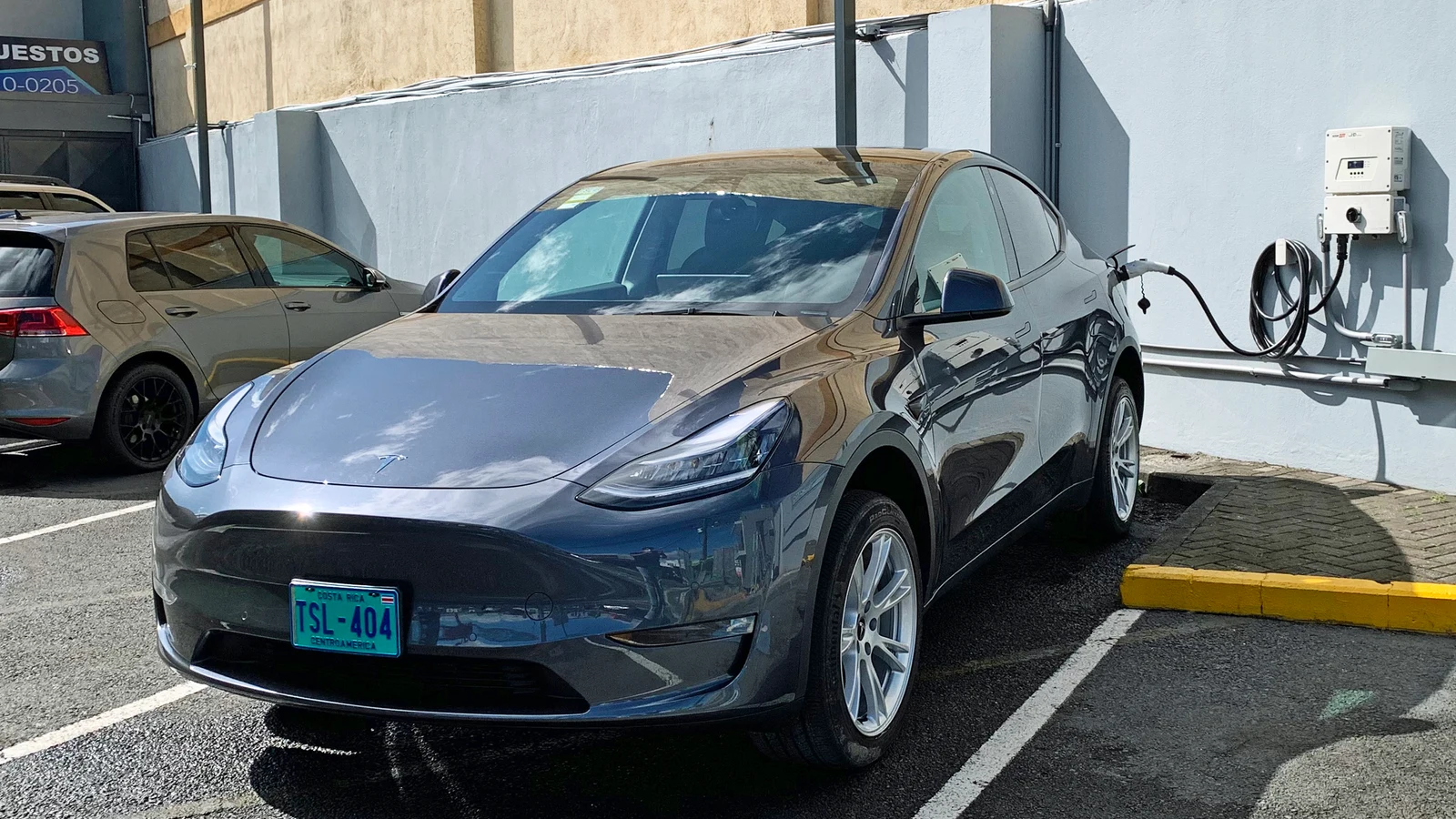
The Tesla Model 3 Performance and the BMW i3 50 xDrive represent two distinct approaches to the high-performance electric sedan segment. Tesla, having pioneered the modern electric vehicle rulebook with the Model S, continues to emphasize a minimalist, screen-dominated interior in its latest Model 3 iteration. Conversely, BMW is leveraging its Neue Klasse transformation to integrate classic brand design elements, such as the kidney grille, with new electric-first body architecture that offers a taller profile and distinct design character. Source
Under the skin, the two sedans utilize dual-motor, all-wheel-drive systems, yet they diverge significantly in output. The Tesla Model 3 Performance delivers 528 horsepower and 554 lb-ft of torque, enabling a 0-60 mph sprint time that is nearly two seconds faster than the BMW i3 50 xDrive. The Tesla also boasts a higher top speed of 163 mph. The BMW i3, while slightly less powerful at 463 horsepower and 476 lb-ft of torque, provides a driving experience calibrated to retain the company's traditional dynamic character. Source
The BMW i3 50 xDrive distinguishes itself with an 800-volt architecture designed for faster charging compared to the Tesla's system. BMW claims a maximum charging speed of 400 kW, which the manufacturer states can provide up to 180 miles of range after ten minutes of charging. In contrast, the Tesla Model 3 Performance offers a range of 147 miles after 15 minutes of charging. EPA range estimates for the i3 range from 446 to 468 miles, while the Model 3 Performance AWD is rated at 314 miles. Source
Interior technology sets the two vehicles apart, particularly regarding driver information. While both utilize a central touchscreen for most controls, the BMW features a panoramic instrument display along the windscreen and an available head-up display. Tesla eschews a separate instrument cluster, requiring drivers to rely on the central screen for all critical data. However, the Model 3 Performance includes a dedicated rear touchscreen for passengers, a feature currently unavailable on the BMW i3 sedan. Source
Standard equipment levels differ, with Tesla including features like a heated steering wheel, heated rear seats, and a premium audio system as standard on the Performance trim. These items are optional extras on the BMW i3. However, BMW provides options not offered by Tesla, such as massaging seats. Pricing reflects these differences; the BMW i3 starts at $61,500, with costs rising to over $65,000 when the M Sport package and additional options are selected, whereas the Tesla starts at $54,990. Source
Luxury Segment Market Context
Beyond the i3, BMW's broader 2026/2027 luxury lineup continues to evolve. The 2026 BMW 3 Series 330i, a hybrid model, offers a different proposition with a 255-horsepower output and 295 lb-ft of torque. According to data-driven ratings, both the 330i and the 2026 Tesla Model 3 receive high marks for safety and efficiency. The 330i provides a more traditional interior experience with a 12.3-inch touchscreen and 16-speaker Harman/Kardon system, contrasting with the Model 3's 8-inch interface. Source
In the Canadian market, the 2026 Tesla Model 3 is available in three trims with pricing from $39,490 to $74,990 plus a $2,500 freight and PDI charge. The BMW 3 Series comes in four trims with pricing starting at $60,500 and reaching $91,900, plus a $2,955 freight and PDI fee. Practicality varies as well; the Tesla Model 3 offers 594 liters of trunk space, while the BMW 3 Series provides 480 liters. Both vehicles come equipped with eight airbags and have earned 5-star NHTSA overall ratings. Source
At the top end of the BMW portfolio, the facelifted 7 Series arrived in early 2026. This range includes the 740 M Sport, featuring a 294kW/580Nm 3.0-liter turbocharged six-cylinder engine with a 48-volt mild-hybrid system. The electric i7 60 xDrive model is also available. While these larger vehicles serve a different customer base than the i3, they share BMW's focus on integrating advanced digital displays like the Panoramic Vision screen and offering extensive luxury options such as the 31.3-inch rear Theatre Screen. Source
The i7 60 xDrive model achieved a 727km WLTP range figure. Energy consumption for this model is documented between 18.2 and 21.9 kWh per 100km on the EU WLTP cycle. Like the smaller i3, the 7 Series utilizes an electric powertrain architecture aimed at balancing efficiency with performance. The luxury sedan's pricing reflects its high-end positioning, with the i7 60 xDrive starting at $306,900 in the Australian market, significantly above the entry points of the mid-size performance sedans. Source
For comparisons of vehicle performance metrics and dimensions, the following table summarizes key specifications for the highlighted models based on manufacturer claims and industry reporting. These figures provide a baseline for understanding the capabilities of the BMW i3, BMW 3 Series, and Tesla Model 3 segments, acknowledging that test cycles, equipment, and market availability fluctuate between regions and specific trim levels. Source
| Model | Power | Range | Drive |
|---|---|---|---|
| BMW i3 50 xDrive | 463 HP | 446-468 miles | AWD |
| Tesla Model 3 Performance | 528 HP | 314 miles | AWD |
| BMW 330i (2026) | 255 HP | N/A | Hybrid |
| Tesla Model 3 (Base) | 384 HP | N/A | Electric |
As the EV sector matures, BMW and Tesla continue to refine their respective strategies. BMW is emphasizing 800-volt hardware to reduce charging times and maintain brand-specific driving dynamics, while Tesla maintains its competitive edge through aggressive performance output, integrated software features, and established pricing strategies. Prospective buyers must decide between the premium build and rapid charging of the BMW i3 platform or the established performance, software, and value proposition of the Tesla Model 3 lineup. Source

